Unlocking Longevity in Fitness: The Importance of Movement Health
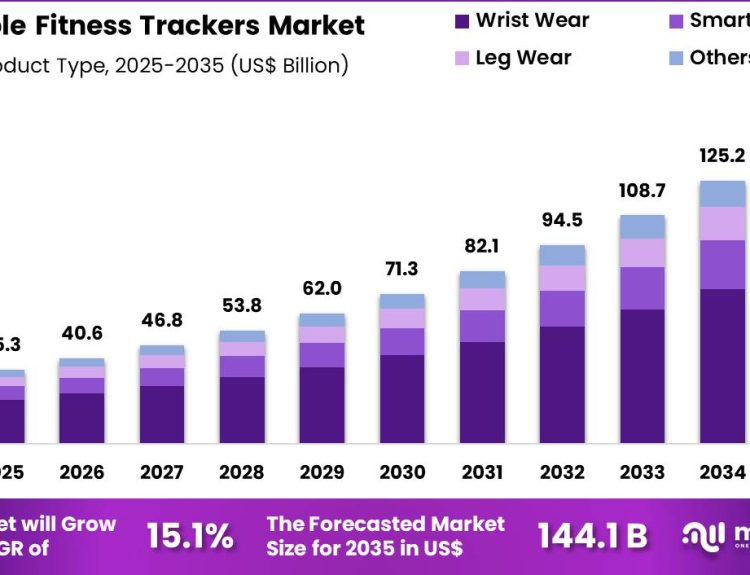
As the quest for longevity gains mainstream attention, it’s becoming a pivotal theme in the fitness industry. No longer confined to niche discussions among elite athletes or medical experts, the drive for a healthier, longer life is shaping the future of fitness offerings. With the market for fitness biometrics—including smart rings, clothing, and specialized wearables—projected to reach $137 billion by 2030, there’s an unprecedented opportunity for fitness businesses to tap into this growing trend.
This article explores how focusing on movement health can serve as a gateway for fitness and wellness providers to enhance their services, attract new clients, and ultimately drive revenue.
Understanding Movement Health
Leading experts agree that the foundation of any longevity program begins with assessing movement health. Dr. Marty Miller, a renowned figure in sports science, states, “The goal of the longevity movement is not just to extend life but to enhance the quality of those additional years. Effective movement is essential for achieving that goal.”
Dr. Miller’s extensive experience with elite athletes and everyday fitness enthusiasts underscores the idea that movement health is a key indicator of longevity. He refers to it as the “fifth vital sign” and emphasizes that to improve any physical fitness metrics—such as VO2 max or body composition—clients must begin with a comprehensive movement health assessment.
Why Movement Health Matters
Without a solid grasp of an individual’s movement capabilities, fitness programs can lead to:
- Dysfunctional Strength: Enhancing strength without addressing underlying movement issues can exacerbate problems.
- Inefficient Cardio: Poor movement patterns can make aerobic exercises counterproductive.
- Increased Injury Risks: Insufficient assessments elevate the risk of injury, particularly as exercise intensity rises.
Dr. Miller succinctly states: “You can’t move with intensity if you can’t move well.” Therefore, assessing movement health should be the first step for any effective longevity program.
Technology: A Game Changer in Assessing Movement Health
The age-old adage, “If you aren’t assessing, you’re guessing,” rings true in the fitness world. Implementing exercise programs without data compromises safety and efficacy. Dr. Darin Padua, an expert in exercise science, emphasizes that layering strength on a faulty movement pattern only speeds up wear and tear on the body.
Traditionally, fitness professionals have relied on visual assessments, which can vary significantly between trainers. Dr. Miller points out that technology can enhance the accuracy of these assessments. He notes, “I can’t assess movement as accurately or quickly as technology can.”
Innovative Solutions
Kinotek, a leader in movement health technology, is redefining how assessments are made. Using a cloud-based app, Kinotek employs 3D mapping and AI algorithms to analyze a client’s movement patterns in seconds. Key components of their assessments include:
- Mobility
- Symmetry
- Overall Movement Quality
These advanced assessments yield a movement health score and identify specific dysfunctions, presenting data that fitness professionals can easily share with clients.
Advantages of Technological Integration
Incorporating technology in movement health assessments offers several benefits:
- Time Efficiency: Assessments that take mere seconds allow trainers to devote more time to client interaction.
- Objective Data: Results are clear and visual, promoting better understanding among clients.
- Personalized Programming: Client-specific analytics enable trainers to tailor programs effectively.
- Scalability: Fitness centers can ensure consistent quality in assessments across all trainers, regardless of experience level.
Improving Revenue and Client Retention
Integrating movement health assessments into service offerings has proven to enhance revenue for many fitness businesses. For example, Healthtrax reported an increase of $580,000 in new revenue by incorporating Kinotek as an entry point into their wellness services. Additionally, Chad Bryant, the fitness director at Raintree Athletic Club, noted that using Kinotek helped trainers double or triple their upsell rates for additional services.
Starting with an initial movement health score encourages clients to view their fitness journey as a long-term commitment. With measurable progress displayed over time, trainers can motivate clients to stay engaged and track their improvements.
Looking Ahead
As the fitness industry evolves, the integration of movement health assessments presents an exciting frontier. More fitness professionals can leverage technology to attract health-conscious clients and open new markets.
In conclusion, focusing on movement health not only benefits individual clients but also enhances the overall viability of fitness businesses. By adopting a comprehensive, technology-enabled approach to fitness, providers can cater to an audience eager to invest in healthier, longer lives.