Apple Fitness+ Expands Globally, Bringing Wellness to New Users
In an exciting development for fitness enthusiasts, Apple Fitness+ is set to expand to 28 new markets on December 15, 2025. This marks the largest expansion since the service’s launch, making it accessible in countries such as Chile, Hong Kong, India, the Netherlands, Singapore, Taiwan, and others. Additionally, users will benefit from dubbing in Spanish, German, and Japanese for hundreds of workouts and meditation sessions. A new music genre—K-Pop—is also being introduced, enhancing the workout experience.
What is Apple Fitness+?
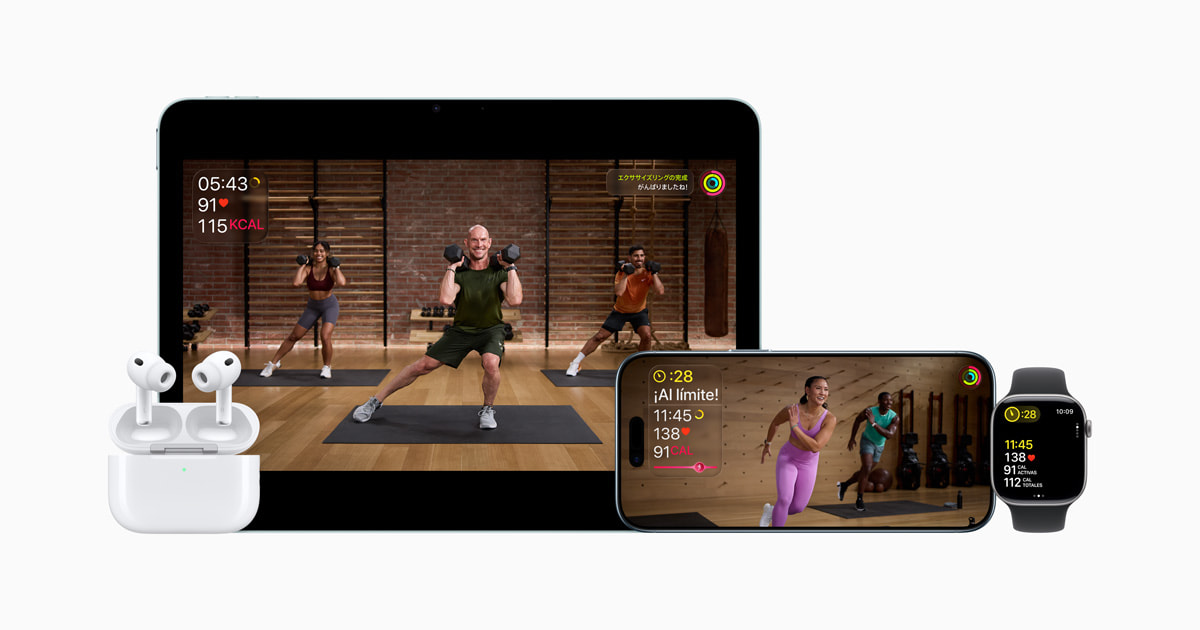
Apple Fitness+ is an acclaimed fitness and wellness service tailored for users at all levels, combining various workout types with meditation sessions. Subscribers can access a diverse library of content, now enhanced by the option to choose their preferred language during workouts. The platform integrates seamlessly with Apple devices like the iPhone and Apple Watch, providing real-time metrics to motivate users throughout their wellness journey.
Key Features of Apple Fitness+
Diverse Workout Options
Fitness+ offers 12 distinct workout types, including:
- Strength
- Yoga
- HIIT (High-Intensity Interval Training)
- Pilates
- Dance
- Cycling
- Kickboxing
- Meditation
Sessions vary from 5 to 45 minutes, allowing users to choose according to their available time and fitness level.
Personalization and Motivation
The Custom Plans feature tailors a workout schedule based on personal preferences, including favorite activities, trainers, and music genres. Users can engage with features like:
- Stay Consistent: A premade schedule that fits regular routines.
- Push Further: For those wanting an extra challenge, adding more sessions or workout duration.
- Get Started: A user-friendly plan for new subscribers.
Global Music Integration
To energize workouts, Fitness+ has added K-Pop to its existing music genres, which include upbeat anthems, hip-hop, and Latin grooves. User playlists are designed to motivate and elevate the workout experience.
Thoughtful Audio Experiences
Time to Walk, an innovative audio journey, features inspiring stories from notable individuals, encouraging users to walk more as they listen. Recent participants include cultural icons such as Cynthia Erivo and Yuki Tsunoda.
Multilingual Support
The addition of dubbed workouts in Spanish, German, and Japanese makes the service more accessible globally. Users can easily select their preferred audio language in the settings, enhancing inclusivity and encouraging participation from diverse audiences.
Pricing and Availability
Apple Fitness+ is offered at $9.99 per month or $79.99 annually, allowing up to five family members to benefit from the subscription. Availability spans across 49 countries and regions, making it more attainable for individuals looking to enhance their fitness journey.
Conclusion
Apple Fitness+ continues to lead the fitness tech space by making wellness accessible globally. With its tailored workout plans, interactive personal metrics, multilingual support, and broadened musical genres, it’s an excellent resource for everyone, regardless of fitness level. Whether you’re stepping into fitness for the first time or looking to elevate your routine, the platform’s recent expansion could be the perfect opportunity to start or continue your wellness journey. For more details about the service, visit Apple Fitness+.