DEE-ANN DURBIN, Associated Press

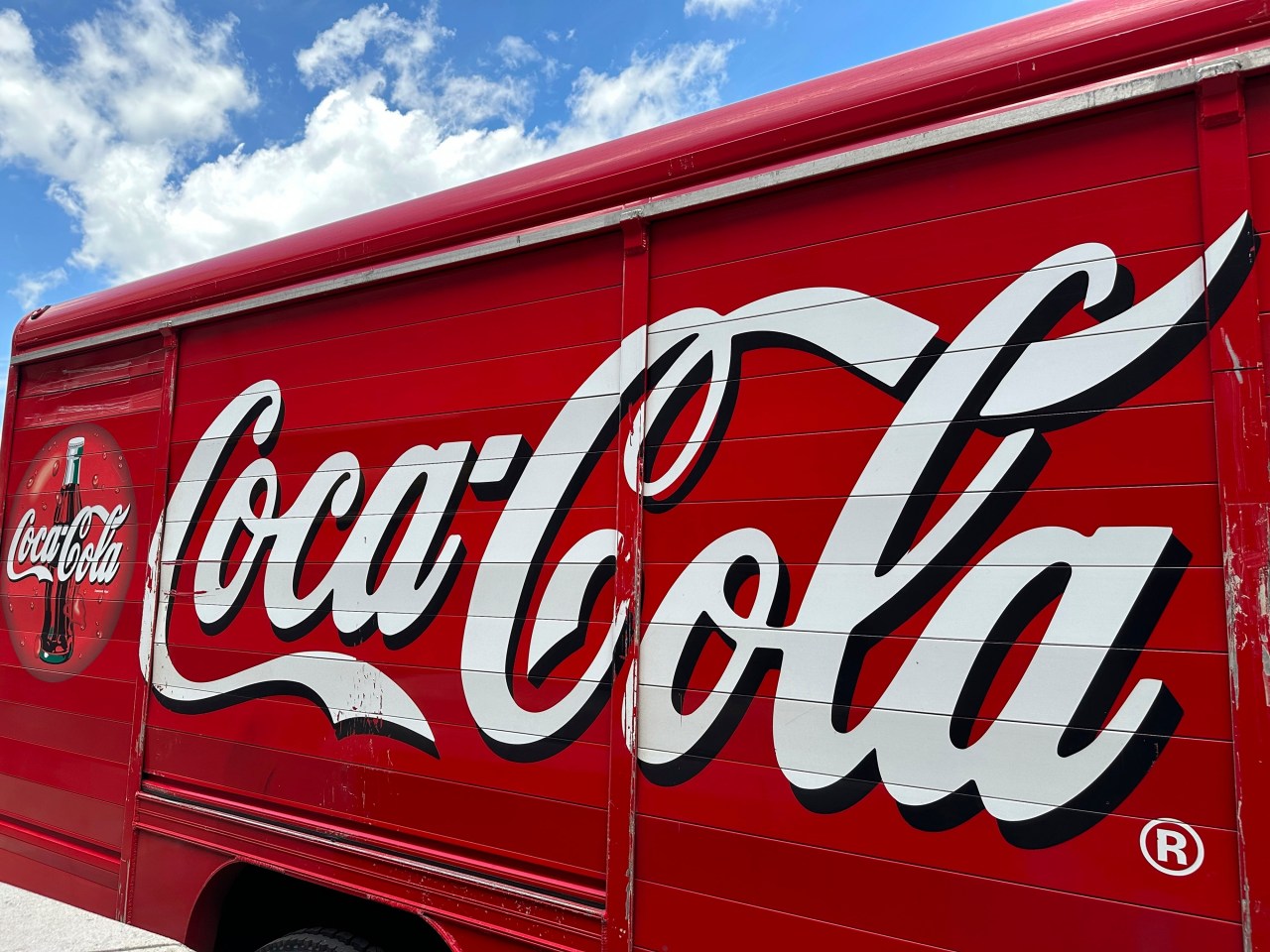
FILE – The Coca-Cola logo adorns the side of a delivery truck, May 15, 2024, in southeast Denver. (AP Photo/David Zalubowski, File)
The Coca-Cola Company has reported a rebound in global demand during the fourth quarter, although investor confidence has been tempered by concerns regarding the company’s future outlook.
During the October to December period, Coca-Cola experienced a 1% rise in unit case volumes worldwide, particularly benefitting from growth in the United States, Japan, and Brazil. North America also saw a 1% increase, marking a positive shift after several quarters of stagnant or declining sales.
However, the company’s net revenue for the fourth quarter fell below expectations, leading Coca-Cola to project an organic revenue increase of 4% to 5% for 2026. This is a slight decline from the 5% growth reported last year, which analysts had expected to be matched this year.
Coca-Cola’s shares dropped by 2% in morning trading following the report.
The company is tackling challenges regarding weak demand in markets such as China, India, and parts of Europe. In North America, Coca-Cola raised prices by 4% and 1% globally during the quarter, while also choosing to lower prices in select European and Asian markets to stimulate demand.
Additional challenges lie ahead as government initiatives aimed at reducing sugary drink consumption may impact sales. In Mexico, one of Coca-Cola’s major markets, a new tax on sugary beverages took effect on January 1.
In the U.S., some states have begun to limit the types of foods purchasable with benefits from the Supplemental Nutrition Assistance Program (SNAP). Recently, five states—Indiana, Iowa, Nebraska, Utah, and West Virginia—implemented waivers prohibiting the purchase of soda using SNAP funds.
James Quincey, Coca-Cola’s Chairman and CEO, stated that the company believes these SNAP waivers will be manageable, as consumers are likely to use cash for their purchases if SNAP does not cover them.
“Clearly, we think that consumers should be allowed to choose, but regulation is regulation,” Quincey noted during a conference call with investors. “This just puts the challenge on us to give them the category, the beverage, the brand, the pack size, the price point that works for them.”
To address affordability, Coca-Cola recently launched 7.5-ounce mini cans across North American convenience stores.
Coca-Cola Zero Sugar showcased strong performance in the fourth quarter, with a 13% global sales increase. The company also saw heightened demand for water, sports drinks, coffee, and tea, whereas juices and dairy products struggled. As a result, Coca-Cola announced the discontinuation of Minute Maid frozen canned juice sales in the U.S. after 80 years, citing declining demand.
Henrique Braun, Coca-Cola’s Chief Operating Officer, will step into the role of CEO on March 31, with Quincey transitioning to executive chairman.
Braun intends to prioritize innovation at Coca-Cola, exploring locally popular brands for investment and potential global expansion. He pointed out that Santa Clara, a Mexican dairy brand acquired in 2012, has recently reached billion-dollar status.
“The consumer is seeking more innovation at the local level as well, and that’s where we believe we can make a bigger difference,” Braun commented.
While revenue increased by 2% to $11.8 billion for the October-December quarter, it fell short of Wall Street’s forecast. Analysts had anticipated quarterly revenue to reach $12.05 billion.
Net income climbed by 3% to $2.3 billion. Adjusted for one-time items, the company reported earnings of 58 cents per share, which was 2 cents above what Wall Street had projected.
Key Takeaways
- Coca-Cola’s global unit case volumes grew by 1% in the fourth quarter.
- Despite strong fourth-quarter demand, the company’s net revenue fell short of expectations.
- Price hikes in North America are being countered with reductions in Europe and Asia to stimulate demand.
- New SNAP regulations may impact sales of sugary drinks in some states.
- Coca-Cola Zero Sugar saw sales increase by 13% globally.
- Revenue for the quarter was $11.8 billion, below analysts’ expectations.
- Henrique Braun will take over as CEO on March 31.
FAQ
How has Coca-Cola responded to declining sales in certain markets?
The company has implemented price adjustments, both increases and decreases, in different regions to bolster demand.
What new products has Coca-Cola introduced recently?
Coca-Cola launched 7.5-ounce mini cans at North American convenience stores to enhance affordability.
Who will succeed James Quincey as CEO?
Henrique Braun, currently the Chief Operating Officer, will become the CEO on March 31.
What categories are experiencing stronger demand for Coca-Cola?
Water, sports drinks, coffee, and tea have all seen increased demand, while juices and dairy are declining.
What significant tax has been introduced in Mexico affecting Coca-Cola?
A tax on sugary beverages took effect on January 1, which could affect Coca-Cola’s sales in the country.