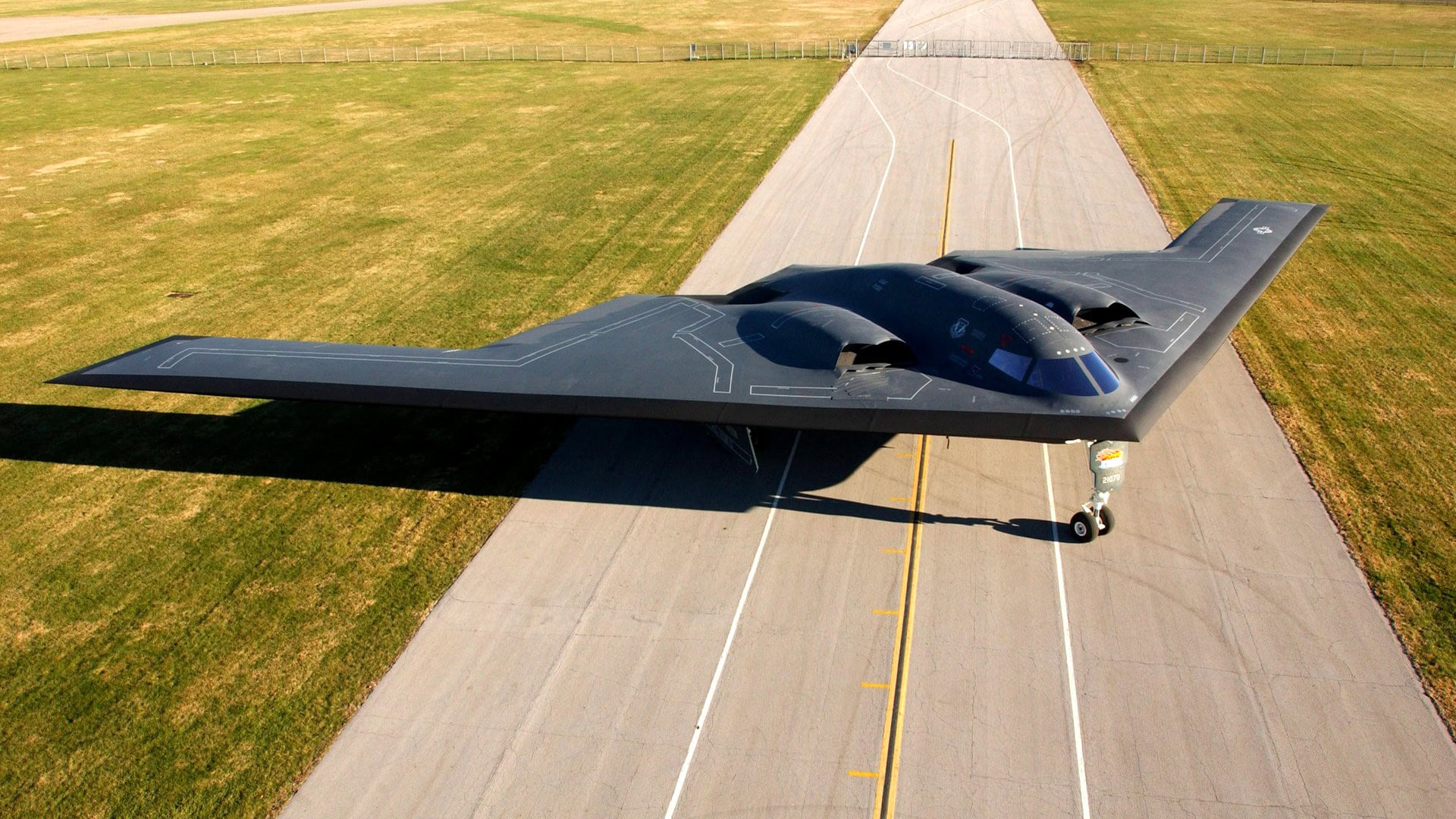
The JH-XX, also known as the JH-36, symbolizes China’s strategic advancement into medium-range stealth capabilities. This aircraft is designed to enhance China’s military prowess alongside the noteworthy H-20 stealth bomber.
First detected in late 2024, this tailless, three-engine “fighter-bomber” features a modified delta wing, achieving an estimated combat radius of 2,000 km, directly targeting Guam and Japan.
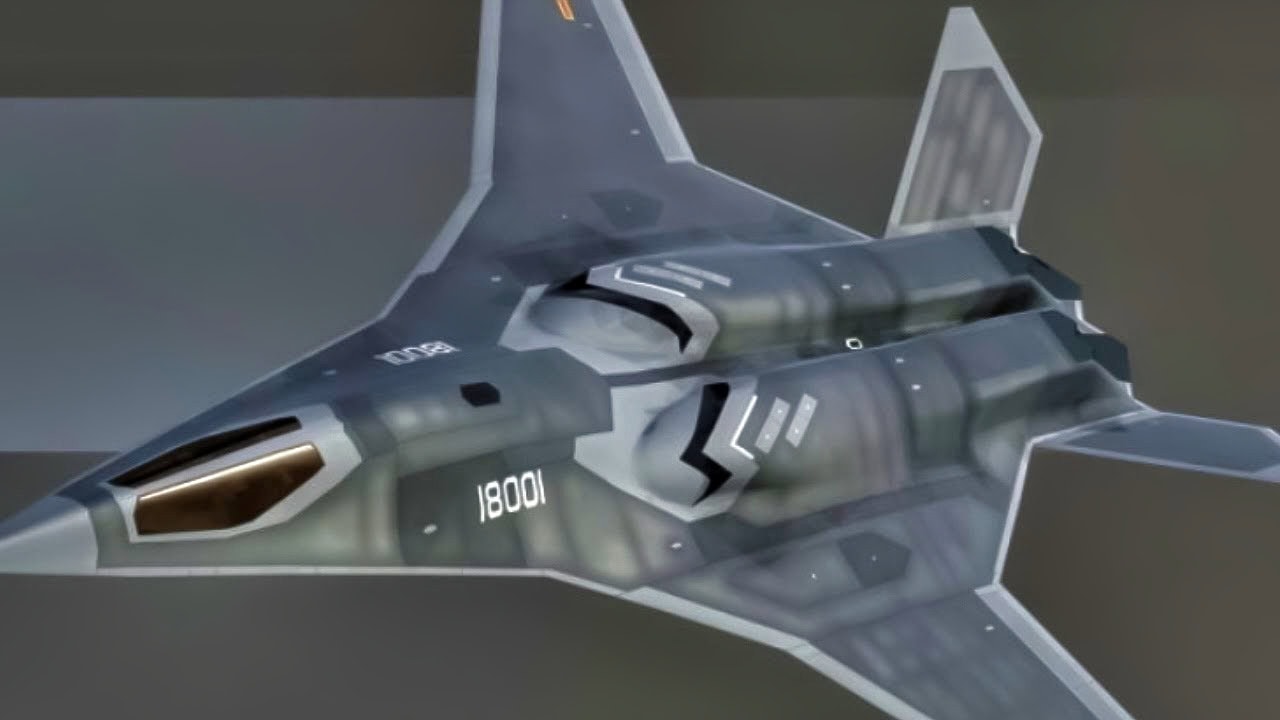
JH-XX. Image Credit: Creative Commons.
Analysts are currently divided on whether the prototype serves as a technology demonstrator or is a production-ready model, but its design marks a distinct shift from the aging H-6 fleet. Focusing on supersonic speed and low visibility, the JH-XX intends to disrupt existing A2/AD networks and challenge U.S. air superiority.
– In 2 Words: Coming Soon?
China’s JH-XX Stealth Bomber, A Replacement For The H6 Bomber
In its quest to bolster military capabilities, China is developing medium and long-range bombers to complement the H-20. Recently, test flights of the JH-XX have been hailed as a significant advancement in Chinese aviation technology, with many referring to it as a “sixth-generation fighter” due to its advanced tailless design and stealth attributes.
Experts believe the JH-XX, or JH-36, is classified as a medium-range fighter bomber, having been referenced in the Pentagon’s annual military power report since 2019.
One potential source of inspiration for this aircraft was the American A-12 Avenger project of the 1980s, which faced significant challenges during its development.
The report noted, “The [People’s Liberation Army Air Force] is developing new medium- and long-range bombers to strike regional and global targets,” indicating a focus on low observability.
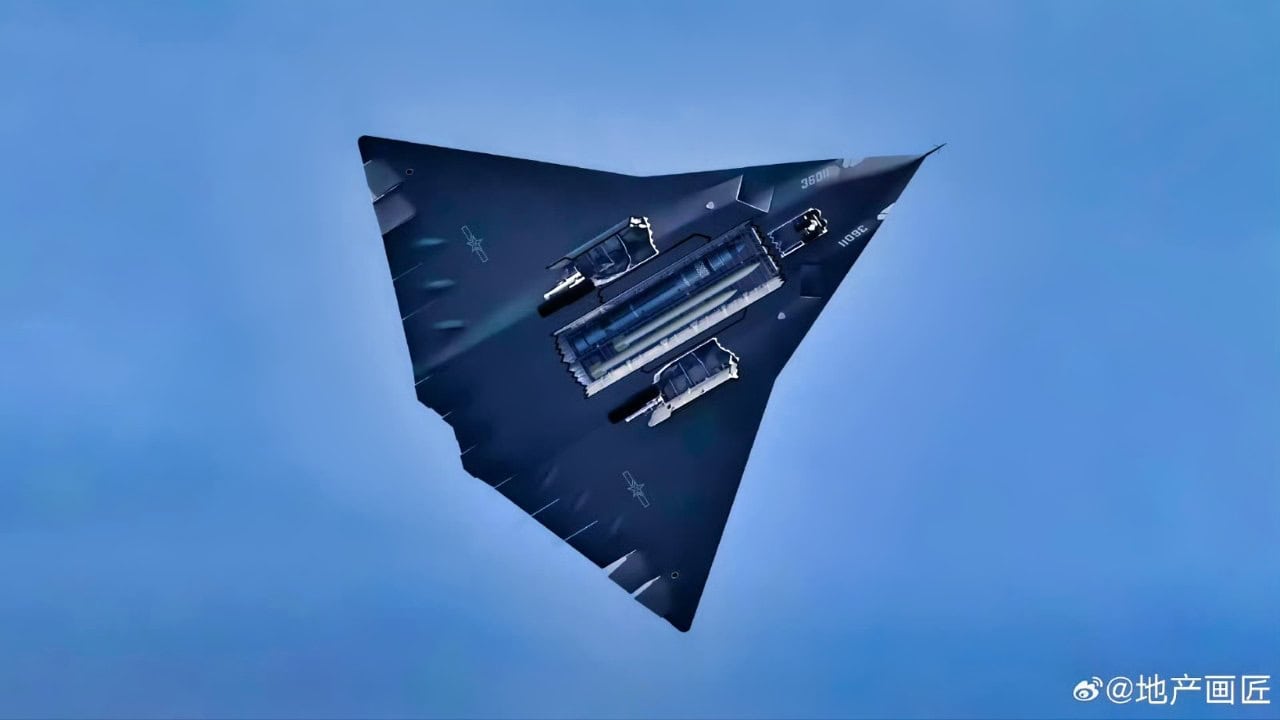
J-36 or JH-XX from China. Screenshot for Chinese Social Media.
Interestingly, no public comments were made regarding the test flights by Chinese authorities, a deviation from typical practices of promoting new advancements in technology.
Critics suggest the flights reflect China’s well-documented history of espionage and reverse engineering, while supporters argue that the aircraft represents progress in domestic aviation technology.
The truth often lies between these extremes.
What Is Known About The JH-XX
Since its initial test flights, speculation regarding the JH-XX’s design and capabilities has proliferated. Observers have noted that the aircraft seems approximately 30 percent larger than the J-20 stealth fighter, which is about 70 feet long, and features twin landing wheels that indicate a design focused on handling its significant weight.
The distinct tailless design improves performance and reduces aerodynamic drag while enhancing stealth capabilities. This focus on stealth is a shared goal among designers of modern military aircraft, including the U.S. Air Force’s Next Generation Air Dominance (NGAD) initiative.
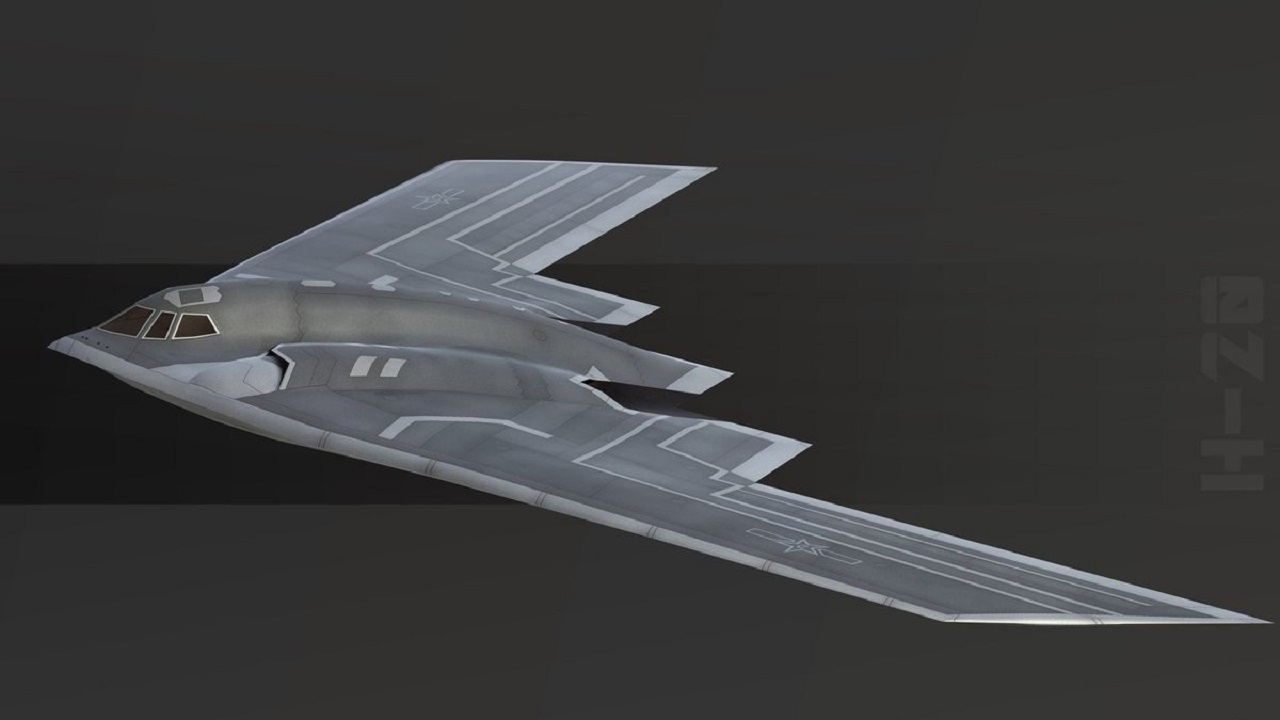
JH-XX Stealth Bomber Artist Rendering. Image Credit: Creative Commons.
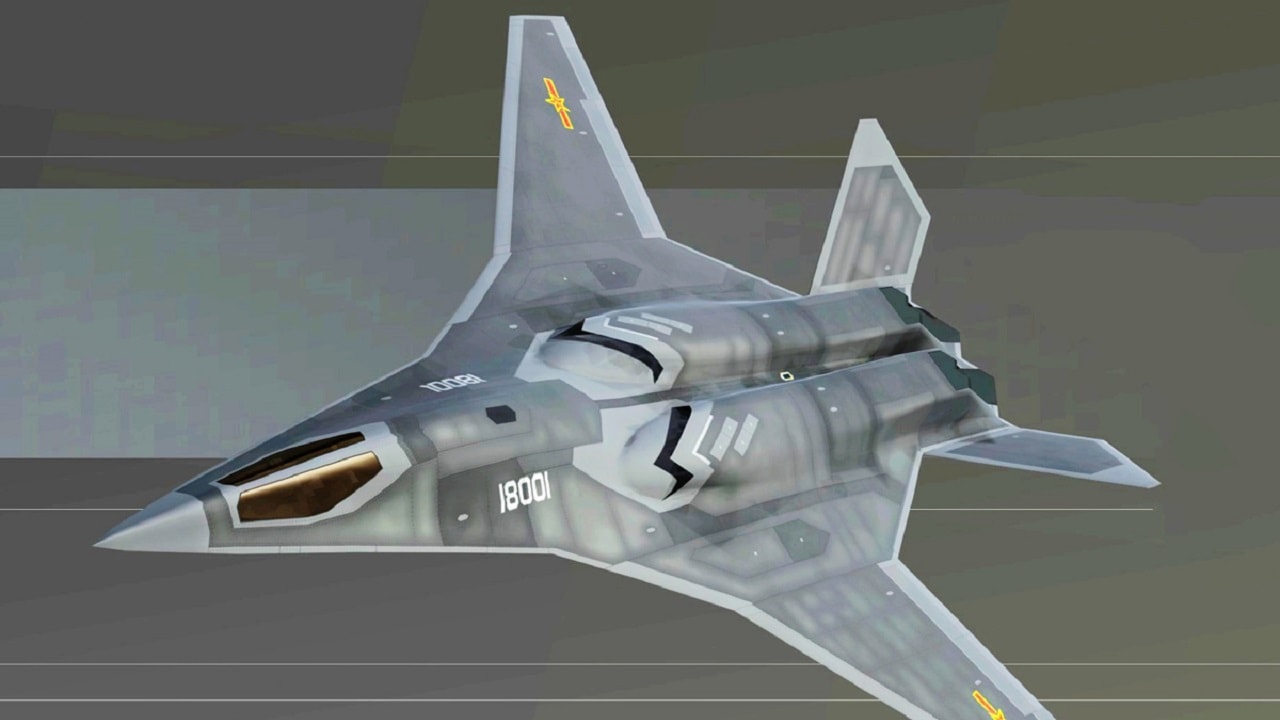
JH-XX artist image. Image Credit: Creative Commons.
However, a tailless design could also limit maneuverability, and the absence of thrust vectoring control raises questions about the aircraft’s agility. Chengdu Aerospace Corporation, known for its work on the J-20, is likely the manufacturer behind this new aircraft.
The JH-XX’s three intakes and exhausts suggest it is powered by three engines, which adds weight and may limit its overall range and payload capacity. This design is likely the reason for its twin landing gear configuration.
The cockpit design indicates space for two pilots, either flying side by side or tandem. Some experts speculate that the aircraft could potentially be unmanned, with the dark cockpit window being a painted-on feature for display purposes. The accompanying J-20 chase plane could act as a safety measure should manual control become necessary.
Key metrics such as weapon storage capacity and operational range will be critical to observe as the JH-36 progresses. Its range is theoretically sufficient for strikes on Taiwan, Guam, and Japan, potentially positioning it as a significant element in China’s regional military strategy.
At this point, numerous questions surround the JH-XX’s development and future role. Experts, such as Alex Hollings from Sandboxx, emphasize the uncertainty surrounding this aircraft’s status as a prototype or merely a testbed for new technologies.
As Hollings notes, it could serve as a technology demonstrator showing readiness for new production, but alterations in design are expected before any final production model is revealed.
Replacing The H6 Bomber
At some point in the future, the JH-XX is anticipated to succeed the aging H-6 bomber, which has served the People’s Liberation Army Air Force (PLAAF) for over 50 years. This twin-engine heavy bomber is a derivative of the Soviet Tupolev Tu-16, introduced in the 1960s and continually upgraded since then.
The latest H-6 version, the H-6N, incorporates advanced features including aerial refueling and the ability to carry air-launched cruise missiles, thus expanding its operational range and capabilities.
Is The JH-XX Being Developed Or Is It Just a Concept?
According to EurAsia Naval Insight, the JH-XX may currently exist only as a conceptual design rather than an active project for the PLAAF.
Describing it as “a conceptual stealth fighter-bomber,” they note it aims to provide the PLAAF with a regional deep-strike option. With an estimated combat radius of around 2,000 km and facilities for large air-to-surface weapons, it could effectively engage high-value targets within strongly defended areas.
They explained that the speed of a supersonic stealth bomber enhances its ability to reach mobile maritime targets swiftly, offering a tactical advantage. In essence, the JH-XX is conceived to complement the slower H-20 rather than serve as its direct replacement.
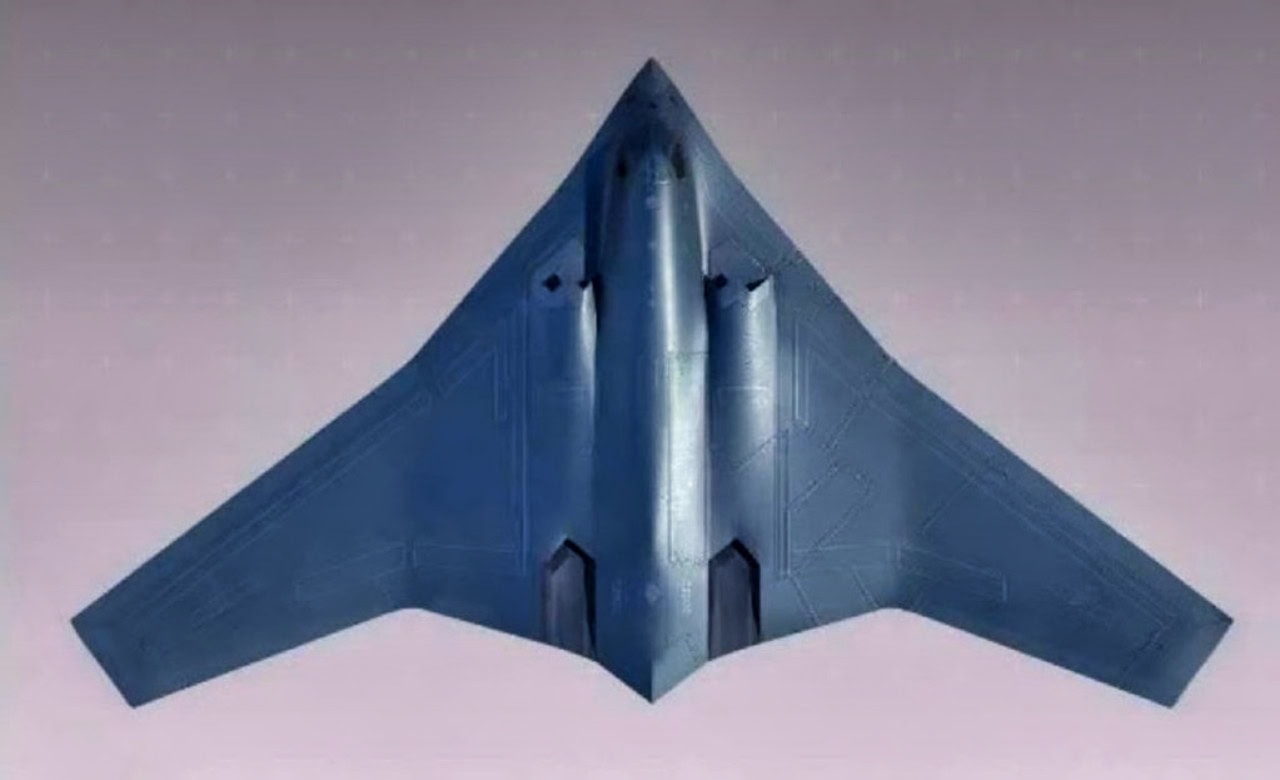
H-20 Bomber from China Artist Rendition.
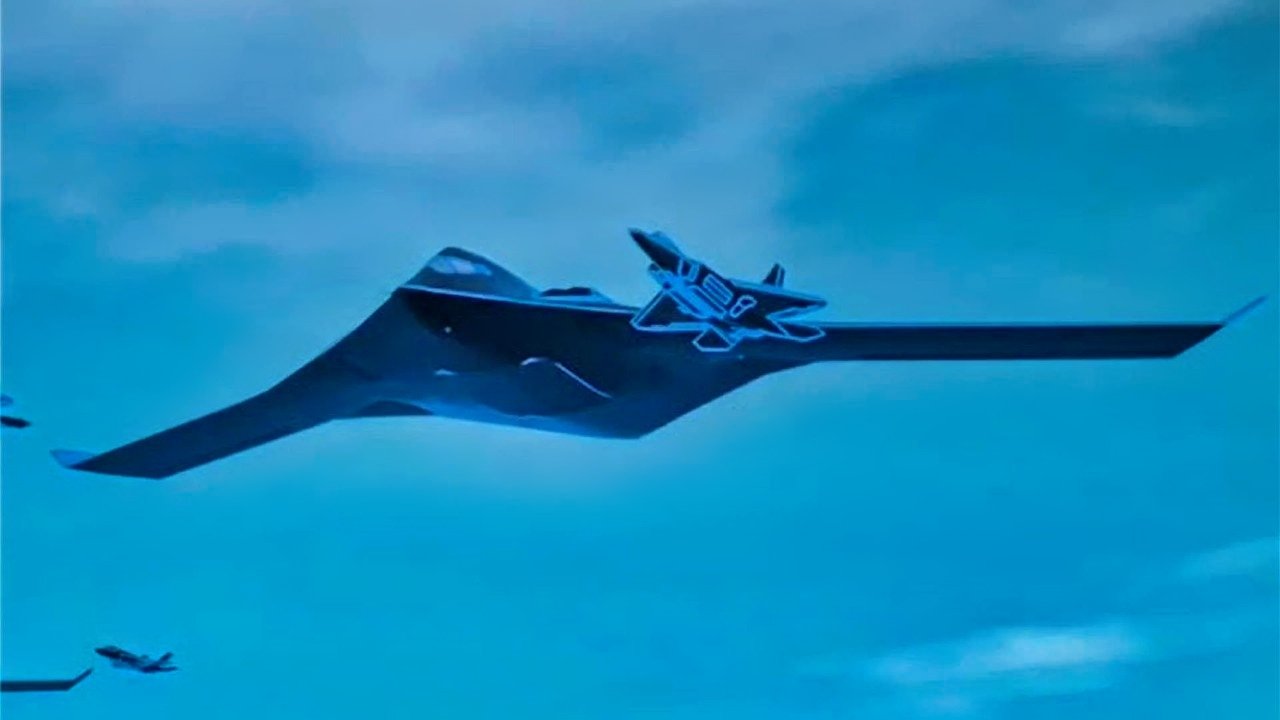
H-20 Bomber Image. Image Credit X Screenshot.
Despite its promising design, evidence of the JH-XX’s active development remains ambiguous. At present, it seems to be an elegant theory with potential application but lacking tangible progress within the PLA.
Overall, as China intensifies its quest for air and naval dominion, they are drawing from historical patience in their military strategy. This raises pertinent questions about the readiness and response capabilities of other nations in the face of such developments.
Key Takeaways
- The JH-XX, or JH-36, introduces a new era in China’s medium-range stealth capabilities.
- Its combat radius of approximately 2,000 km positions it as a strategic asset against U.S. military bases.
- Current debates consider whether the JH-XX is an experimental or production-ready model.
- Its tailless design offers advantages in performance and stealth but may reduce maneuverability.
- The aircraft potentially serves to complement the H-20 bomber rather than directly replace it.
- Overall development of the JH-XX remains uncertain, with more questions than answers surrounding its future role.
FAQ
What is the JH-XX?
The JH-XX, also known as the JH-36, is a Chinese medium-range stealth bomber designed to enhance aerial capabilities.
How does the JH-XX compare to the H-6?
The JH-XX is expected to eventually replace the H-6, which has been in service for over 50 years, showcasing advancements in stealth and design.
What are the potential uses of the JH-XX?
With a combat radius of 2,000 km, the JH-XX could engage high-value targets in heavily defended areas in the Asia-Pacific region.
Is the JH-XX currently in production?
As of now, it remains unclear if the JH-XX is in active development or if it exists mainly as a conceptual design.
What capabilities does the JH-XX possess?
While specific capabilities are not fully disclosed, its three-engine setup suggests a focus on increased power and potential payload.
About the Author: Steve Balestrieri
Steve Balestrieri is a National Security Columnist. He served as a US Army Special Forces NCO and Warrant Officer. In addition to writing on defense, he covers the NFL for PatsFans.com and is a member of the Pro Football Writers of America (PFWA). His work was regularly featured in many military publications