In a fascinating intersection of ancient practices and modern science, researchers have uncovered evidence that Roman physicians may have used human feces in their medicinal remedies. This discovery sheds light on the historical foundations of stool transplants, a procedure that has garnered attention as an innovative treatment option today.
Historical Insights into Fecal Medicine
Stool transplants are cutting-edge experimental procedures, but using poop as medicine is hardly a modern idea.
Ancient Romans were quite knowledgeable about their… feces – or at least, they liked to believe so. Historical documents indicate that influential Roman physicians recommended brewing therapeutic poultices and fragrances using animal and even human dung.
Recent archaeological findings in Türkiye have provided fascinating evidence. Researchers discovered the first chemical traces of human feces in a 1,900-year-old bottle.
This elongated vessel resembles a glass candlestick with a flared base. In ancient Roman times, it was known as an unguentarium, typically reserved for holding perfumes or cosmetics.
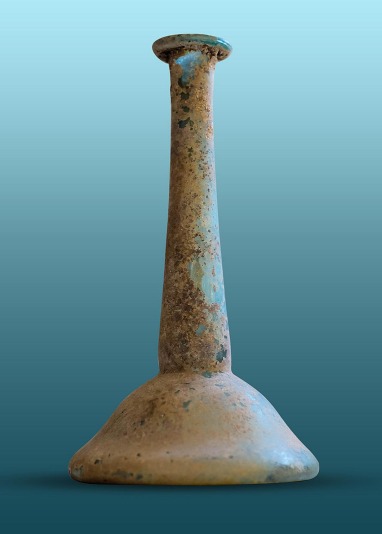
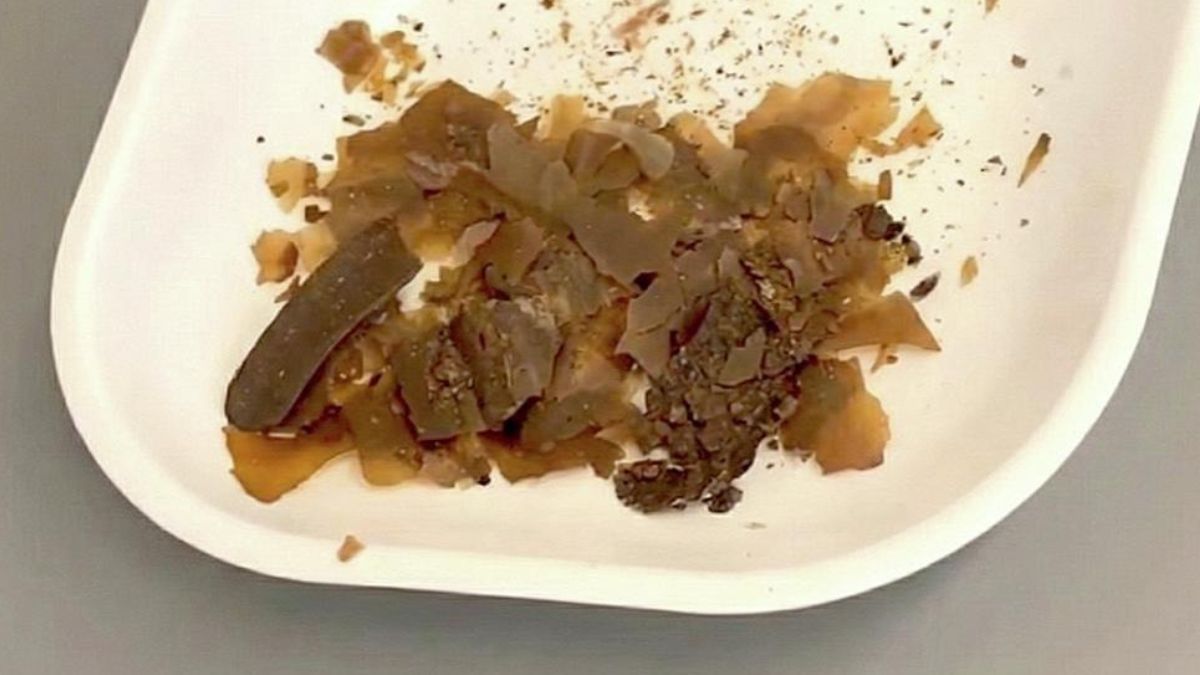
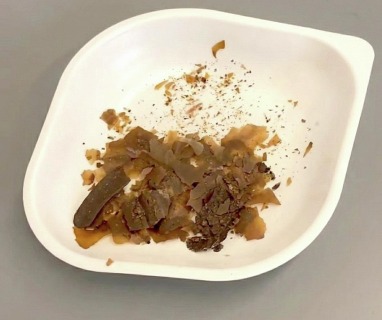
Researchers scraped the interior of the artifact, currently held at the Bergama Archaeology Museum, where they found dark brownish flakes of a previously unknown material.
Upon grinding and chemically analyzing the sample, a team of three researchers identified markers indicative of human feces. Additionally, they discovered a mix of aromatic compounds from thyme, likely added to mask any unpleasant odors.
Medical Practices of Ancient Rome
Prominent physicians of ancient Rome, including figures like Hippocrates, Pliny the Elder, and Galen of Pergamon, often recommended feces as a medicinal ingredient.
Animal dung, in particular, was frequently mentioned in medical texts for a range of health concerns, including inflammation, infections, and even reproductive disorders.
Galen referenced fecal medicines in his writings over two dozen times. Although he rarely advocated for the use of human feces, he did highlight the therapeutic benefits of children’s feces—but only under very specific dietary conditions.
The discovery of human fecal remnants in this 2nd-century CE vessel adds weight to historical claims that human excrement was indeed employed as a topical treatment or in ‘olfactory pharmacology’, as indicated by ancient texts.
As archaeologist Cenker Atila from Sivas Cumhuriyet University and his colleagues noted, “Ancient sources make clear that the boundaries between cosmetic and medicinal usage were fluid, and that unguents often blurred distinctions between healing, hygiene, and magic.”
Similar practices of using dung as medication persisted into the Middle Ages but faded away by the 18th century.
At that time, employing feces in medicine was likely perilous due to the risk of transmitting dangerous pathogens.
However, contemporary practices, when fecal transplants are properly screened, show promise for treating various medical conditions, from depression and bipolar disorder to diabetes, heart disease, and resistant superbugs.
While scientists have gained significant insights into the gut microbiome, there remains much to learn about the millions of microbes residing in our intestines and their effects on health.
Some clinical studies indicate that fecal transplants can enhance the gut microbiome and alleviate symptoms for those with specific health conditions, such as irritable bowel syndrome, though the benefits seem to diminish after roughly six months.
This experimental procedure carries certain health risks and can, albeit rarely, result in serious complications. Thus, caution is warranted despite the promising developments.
In a recent study involving mice, older subjects receiving fecal transplants from younger counterparts exhibited signs of a more youthful gut.
Additionally, research in 2021 highlighted that transplants from younger individuals reversed aging signs in older mice.
Perhaps using young people’s feces as treatment warrants serious consideration; after all, Galen might have been onto something.
The study was published in Journal of Archaeological Science: Reports.
Key Takeaways
- Fecal transplants, while modern, have historical roots in ancient Roman medicine.
- Archaeological evidence suggests that Romans utilized human feces in their medicinal practices.
- Ancient texts indicate a lack of distinction between cosmetics and medicinal uses of excrement.
- Contemporary fecal transplants promise treatment for various health concerns, pending proper screening.
- Research on fecal transplants reveals potential to reverse aging signs in animal models.
- Caution is essential due to the health risks associated with fecal transplants.
FAQ
What is a stool transplant?
A stool transplant involves transplanting fecal matter from a healthy donor to a patient to restore a balanced gut microbiome.
How do ancient practices inform modern medicine?
Historical practices using feces as medicine highlight a long-standing recognition of the gut’s role in health and inform contemporary treatments.
What are the risks of fecal transplants?
Potential risks include infections and complications if the stool is not properly screened.
Can fecal transplants improve mental health?
Some studies suggest that fecal transplants may alleviate symptoms of mental health conditions, such as depression.