 In the heart of nature, surrounded by towering pines and fragrant cedars, we find ourselves in the tranquil mountain village of Idyllwild, where one can truly embrace life. Here, at this elevation, we can stretch our arms to the sky, take deep breaths, and listen to the soothing sounds of the environment. This escape from the bustling Los Angeles Basin offers not just fresh air but also a refreshing perspective on life.
From this serene vantage point, the beauty of the natural world fills us with a sense of wonder. The spirit of the San Jacinto Mountains whispers to us: “Change is in the air,” as if echoing the sentiments of Saint Jack.
The transition from winter to spring and then from spring to summer follows a familiar rhythm. Each season brings its own expectations—cooler temperatures in winter and warmth in summer, with autumn marking the decline of old life and spring heralding new beginnings.
Yet change itself can be elusive. True transformation often feels more like a slight shift from what has come before.
As noted by Solomon in Ecclesiastes, “What has been will be again, what has been done will be done again; there is nothing new under the sun.” This raises a thought-provoking question: had Solomon grown cynical watching humanity repeat past mistakes with the same predictability as the seasons? We can only speculate.
The French Experience
During the mid-19th century, French writer Jean-Baptiste Alphonse Karr provided a modern twist on this ancient wisdom with his famous remark: “Plus ça change, plus c’est la même chose,” meaning “The more things change, the more they stay the same.”
Karr observed that the essence of change often serves to reinforce the existing status quo. His observations were shaped by the tumultuous events of the time, particularly the French Revolution of 1848.
The revolution initially ignited hope, leading to the establishment of the French Second Republic, but this optimism quickly soured. The newly formed government enacted sweeping democratic reforms, which included property taxes to fund job programs. By June of 1848, it became evident that the democratic government was teetering on the edge of mob rule.
As discontent with these job programs grew, workers attempted to rise against the government but were met with brutal suppression. The National Guard intervened, leading to violence in the streets. Many of those who survived were deported, and the once-promising republic succumbed to Emperor Rule. It’s a stark reminder of how change can maintain the status quo.
Change We Can Believe In
In the United States, we too are well-acquainted with the heady allure of change. President Obama once came to power promising “change we can believe in,” yet six years later, what we see is largely a continuation of the familiar.
Recently, for instance, President Obama announced changes to overtime pay regulations. “Overtime is a pretty simple idea,” he stated. “If you have to work more, you should get paid more.”
But shouldn’t compensation reflect the value of the work performed rather than merely the hours clocked? This isn’t the only instance where Obama’s changes seem to diverge from desired progress.
Last month, changes to the minimum wage were implemented, and healthcare rules seem to transform almost every month. With all these changing regulations, is it any surprise that the economy appears to be struggling?
That’s a conversation for another day. Today, we shift our focus to more significant changes on the horizon, reminiscent of the economic cycles of 2000 and 2008. This brings us back to Alphonse Karr’s insightful phrase, “Plus ça change, plus c’est la même chose.”
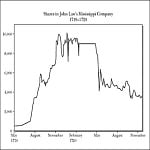
Could it be that Karr was hinting at the principle of mean reversion? Perhaps he had glimpsed the dramatic rise and fall epitomized by John Law’s Mississippi Bubble in the early 18th century, leading to economic chaos. We can’t be certain, but it does seem he understood the concept.
Just last week, the S&P 500 reached a new all-time high, only to tumble this week. Is it possible that it’s beginning its overdue return to the mean?
If not, perhaps it should be. That is the kind of change we can believe in. Can you?
Sincerely,
MN Gordon
for Economic Prism