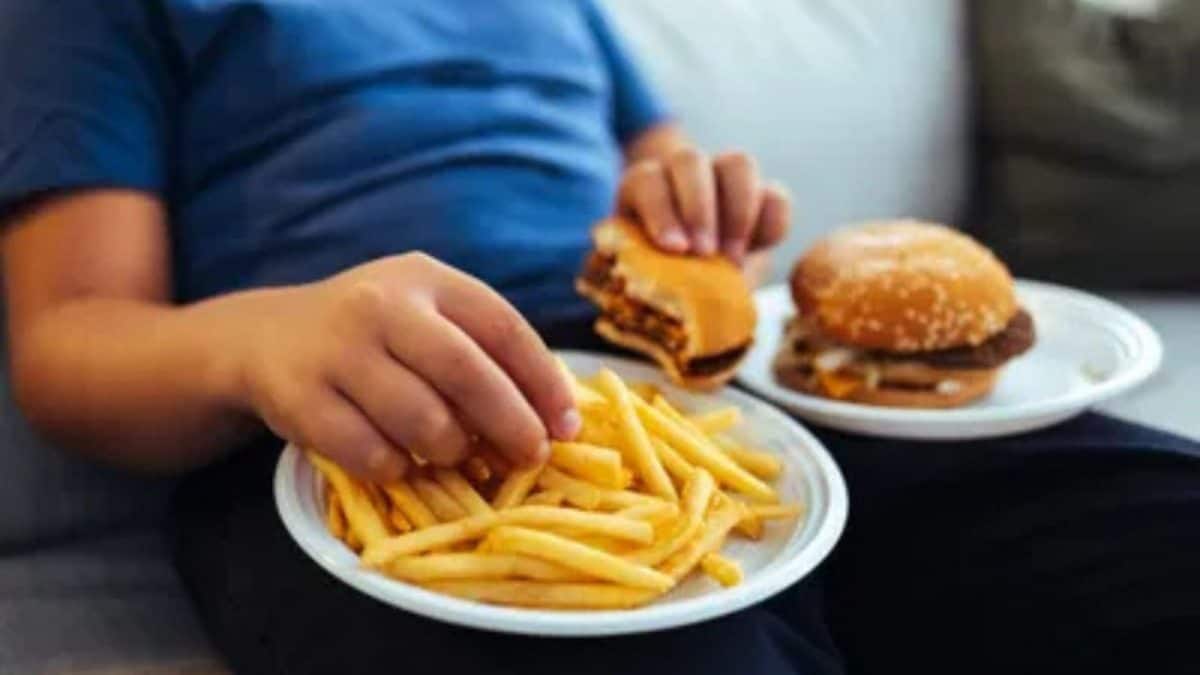
The debate surrounding ultra-processed foods (UPFs) has gained significant traction, with recent research suggesting that their impact on health could be comparable to that of cigarettes. As we delve into these findings, it’s crucial to understand what makes UPFs potentially harmful and how they might warrant similar regulatory scrutiny.
The study
The study was compiled by scientists from Harvard University, the University of Michigan, and Duke University. It was published this week in the Milbank Quarterly healthcare journal.
According to DW, the research indicates that UPFs “share key engineering strategies adopted from the tobacco industry” aimed at increasing “compulsive consumption.”
The study asserts that these industrially manufactured foods are carefully designed to deliver “doses” of addictive ingredients such as refined carbohydrates and fats, promoting overeating much like the cigarette industry does with nicotine.
The study describes UPFs as not merely food products but as “intentionally designed, highly engineered, and manipulated, hedonically optimized products.” It further claims that UPFs marketed as “low fat” or “sugar-free” are often “health washing” tactics that provide minimal real benefits and collectively “hijack human biology.”
“Many UPFs share more characteristics with cigarettes than with minimally processed fruits or vegetables and therefore warrant regulation commensurate with the significant public health risks they pose,” the researchers noted.
The study advocates for treating UPFs similar to cigarettes, by implementing clearer labeling, increasing taxes, limiting their availability in schools and hospitals, and prohibiting marketing to children.
The researchers concluded, “UPFs should be evaluated not only through a nutritional lens but also as addictive, industrially engineered substances. Lessons from tobacco regulation, including litigation, marketing restrictions, and structural interventions, offer a roadmap for reducing UPF-related harm. Public health efforts must shift from individual responsibility to food industry accountability, recognizing UPFs as potent drivers of preventable disease.”
This update follows a UNICEF study published in _The Lancet_ in December, which highlighted the extent of UPF consumption among children in numerous countries. It found that between 10 and 35 percent of children under five regularly consume soft drinks. Furthermore, 60 percent of teenagers reported eating at least one UPF product the day before.
‘Feel addicted to this stuff’
The authors of the study urged authorities to respond, stating that “opting out of the modern food supply is difficult.”
Professor Ashley Gearhardt from the University of Michigan, a co-author, explained, “Individuals often express feelings of addiction; they crave these foods—similar to their past experiences with cigarettes. They understand that their choices are harmful but struggle to quit.”
Gearhardt added, “We often blame individuals for their choices and suggest moderation, yet we must recognize the industry’s influence that leads to product designs that can be extremely addictive.”
The Guardian cited Dr. Githinji Gitahi, CEO of Amref Health Africa, who emphasized, “This journal article highlights a growing public health concern in Africa, where corporations thrive amid weak regulations on harmful products and shifting consumption patterns.”
“This scenario places added pressure on our health systems, already struggling to cope. Without strong public interventions on non-communicable diseases, we risk overwhelming our healthcare infrastructures,” he cautioned.
However, not all experts share this viewpoint.
Professor Martin Warren, chief scientific officer at the Quadram Institute, stated that while there are similarities between UPFs and tobacco, the researchers may have “overreached.”
He raised concerns regarding whether UPFs are inherently addictive or primarily exploit learned behaviors and convenience. He also emphasized the need to distinguish whether negative impacts stem from UPFs themselves or from a decrease in consumption of fiber-rich, nutrient-dense whole foods.
“Understanding this distinction is important, as it informs whether regulatory measures should align with tobacco control or focus on improving dietary quality, reformulation standards, and diversifying our food systems,” Warren concluded.
With inputs from agencies
Key Takeaways
- Research suggests ultra-processed foods (UPFs) may pose health risks comparable to those of cigarettes.
- UPFs are engineered to promote compulsive consumption, similar to tactics used by the tobacco industry.
- Clear labeling and regulations on UPFs are recommended, akin to measures against cigarette smoking.
- Many children and teens are consuming UPFs regularly, raising public health concerns.
- Experts emphasize the need for a shift in public health responsibility from individuals to food industry accountability.
FAQ
What are ultra-processed foods (UPFs)?
UPFs refer to processed food items that are industrially manufactured and often include additives designed for flavor and preservation.
How do UPFs affect health?
Research indicates that UPFs may contribute to health issues by promoting overeating and may share characteristics with highly addictive substances.
What measures are being suggested for UPFs?
Recommendations include clearer labeling, higher taxes, and restrictions on marketing to vulnerable populations, especially children.