In recent discussions surrounding the Supplemental Nutrition Assistance Program (SNAP), a significant debate has emerged in South Dakota regarding the inclusion of soft drinks in the program. With over 40 million Americans enrolled in SNAP, including 75,000 in South Dakota, the topic is gaining attention as stakeholders weigh the benefits of nutritional integrity against personal choice.
Debate on Soft Drinks in SNAP
This debate was a true tug-of-war between health advocates advocating for a more nutritious SNAP program and those from the executive branch and private sector who view the proposed changes as an infringement on consumer choices.
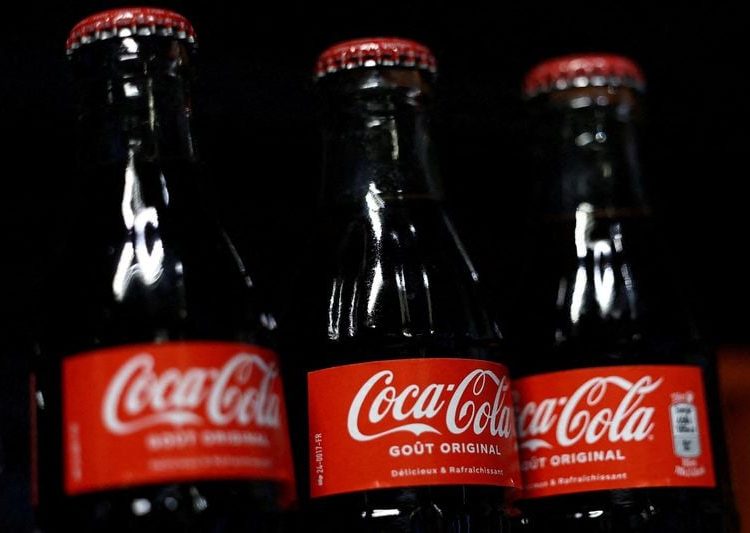
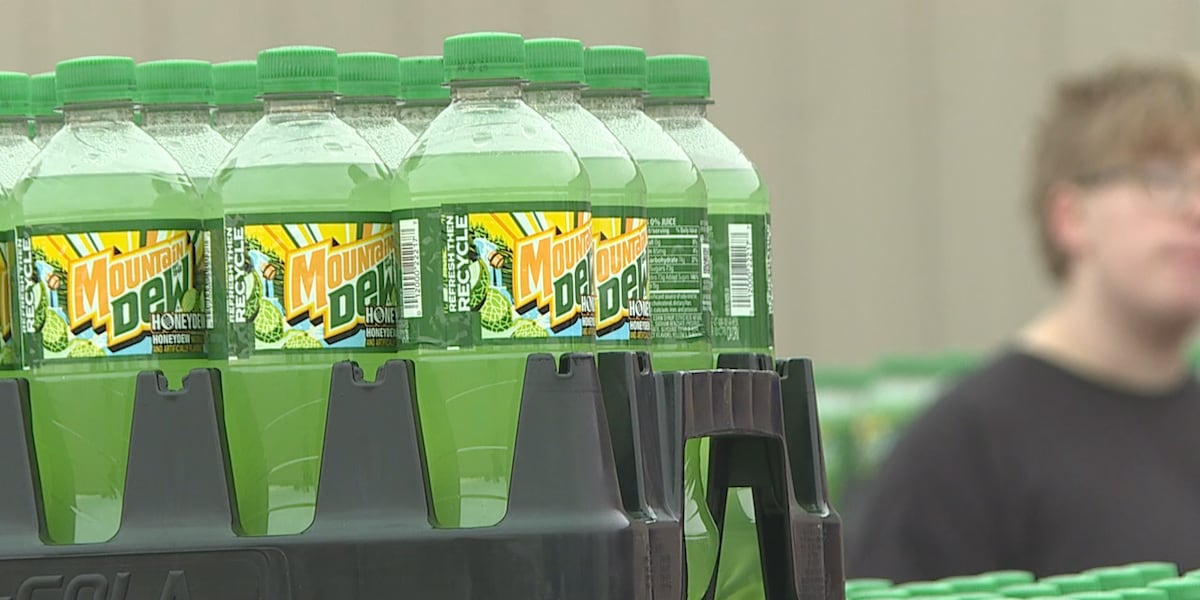
Sioux Falls representative Taylor Rehfeldt, a nurse outside of the session, described soft drinks in House Bill 1056 as “nonalcoholic beverages that contain natural or artificial sweeteners.”
“The bill is not meant to be a philosophy, but it is a directive to make a nutrition program about nutrition. And every other nutrition program we administer excludes sugary drinks because they provide no nutritional value and are strongly associated with chronic disease,” Rehfeldt stated.
Health care groups emphasized their concerns during the House Health and Human Services committee meeting, pointing out the potential health risks of sugary beverages.
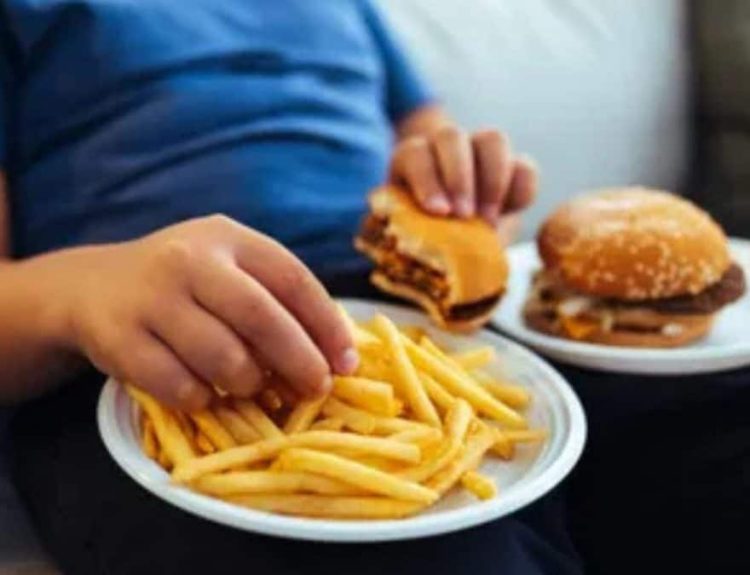
“The proposed legislation is a vital health measure to combat the overconsumption of sugary drinks. These are linked to weight gain, cardiovascular disease, type 2 diabetes, dental decay, and an increased risk of obesity in children,” noted Justin Bell from the South Dakota Medical Association.
If Rehfeldt’s bill becomes law, it would require the state to submit a federal waiver request to prohibit the purchase of soft drinks with SNAP benefits.
Opponents, including the governor’s office, argue that a federal approach is more appropriate for SNAP, suggesting that implementing such restrictions would entail significant financial costs and administrative challenges.
“Adding administrative complexity to our program increases error rates and overall costs,” remarked Laura Ringling, Senior Policy Advisor in the Governor’s Office.
Ringling pointed out that the state has already taken on more than $5 million in additional expenses previously covered by the federal government, a figure that could escalate if the SNAP error rate increases.
Concerns about costly errors were echoed by private sector representatives. “Our retailers need clarity on which items will be excluded. It’s not feasible to ask cashiers to make such judgments,” commented Nathan Sanderson, Executive Director of the South Dakota Retailers Association.
Ultimately, Rehfeldt emphasized that the definition of soft drinks is clear based on exclusions in other federal programs, such as WIC (Women, Infants, and Children).
“I’ve had members of this committee tell me they’ve been lobbied by over 10 lobbyists. The influence of big sugar is evident in D.C., just as it is locally,” said Rehfeldt.
Frustrated by the opposition from the governor’s office, Rehfeldt expressed her efforts to engage in productive discussions, although the governor’s office reported unsuccessful attempts to meet.
In a show of support, the Committee voted to pass the bill with a score of 11-2. However, one representative raised concerns about the limitations the bill could impose on food options, asking Rehfeldt to change the requirement for juice to be all-natural, which Rehfeldt declined.
Key Takeaways
- Over 40 million Americans are enrolled in SNAP, including 75,000 in South Dakota.
- The debate centers on whether soft drinks should remain eligible for SNAP benefits.
- Health advocates argue that sugary drinks contribute to chronic health issues.
- Opponents claim the legislation could increase administrative costs and complicate SNAP operations.
- The bill passed the committee with support but faces opposition from various sectors.
FAQ
What does SNAP stand for?
SNAP stands for the Supplemental Nutrition Assistance Program, which provides assistance to low-income individuals for purchasing food.
What is House Bill 1056?
House Bill 1056 aims to exclude soft drinks from being purchased with SNAP benefits to promote healthier nutritional choices.
What are the main concerns about sugary drinks?
Sugary drinks are linked to health issues such as obesity, cardiovascular disease, and type 2 diabetes, particularly in children.
What happens if the bill becomes law?
If enacted, the state would need to request a federal waiver to exclude soft drinks from SNAP eligibility.
Who opposes the bill?
Opposition comes from the governor’s office and private sector representatives, who argue that it would complicate the program and increase costs.
Copyright 2026 Dakota News Now. All rights reserved.