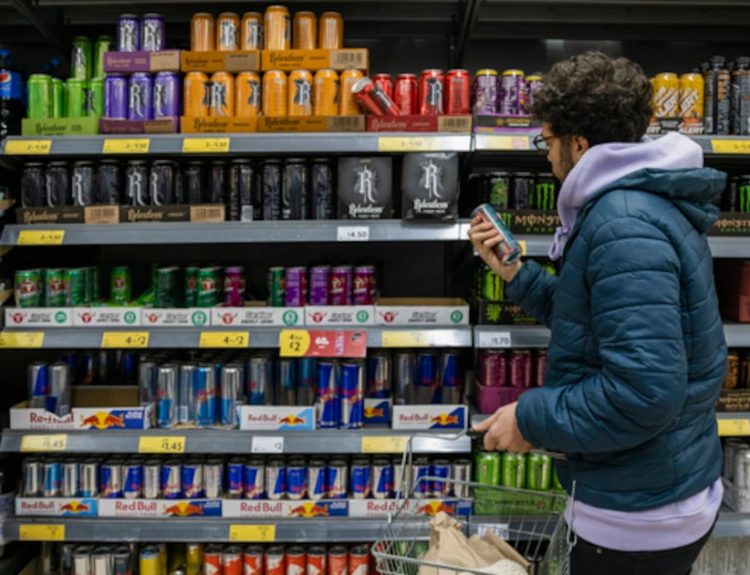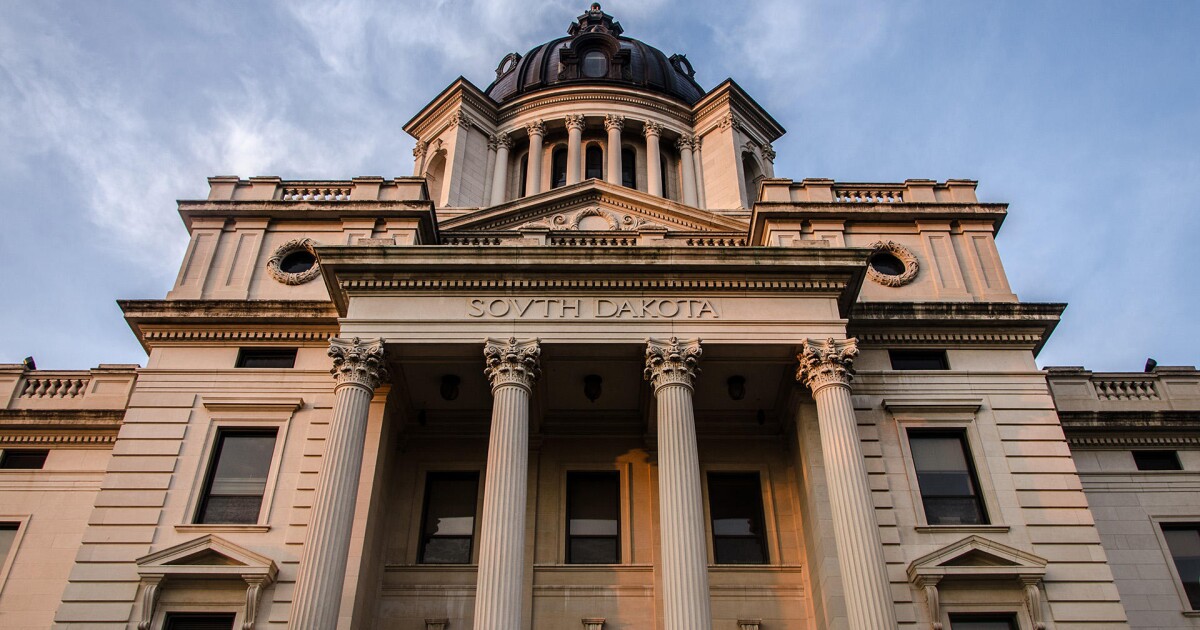
Lawmakers in South Dakota are moving closer to implementing a ban on “soft drinks” for recipients of the Supplemental Nutrition Assistance Program (SNAP). This proposed legislation aims to promote healthier choices within public nutrition programs by excluding sugary beverages.
House Bill 1056 Overview
House Bill 1056 mandates that South Dakota’s Department of Social Services request a waiver to exclude soft drinks from the SNAP program. If approved, the ban on soft drinks containing natural or artificial sweeteners would take effect within six months. Exceptions include milk products, milk substitutes, and certain approved juices. Eighteen other states have already enacted similar waivers.
Proponents’ Perspective
Supporters of the bill argue that soft drinks lack nutritional value, which means taxpayers should not be responsible for financing their purchase. Representative Taylor Rehfeldt, the bill’s main sponsor, stated:
“Nutrition programs funded by taxpayers should emphasize actual nutrition. By allowing the purchase of sugary beverages, known to be the largest source of added sugar in the U.S. diet, we inadvertently contribute to preventable diseases among vulnerable populations.”
Rehfeldt emphasized that this bill is about prudent stewardship of a program that benefits millions of families, aligning SNAP with nutritional guidelines that can enhance health outcomes.
Child Nutrition Concerns
Others, including Mike Bockorny, a registered lobbyist for the South Dakota Association for the Education of Young Children, advocate for the bill as a way to protect children’s health. He stated:
“From an early childhood perspective, nutrition is vital. Soft drinks provide calories and sugar without any nutritional enhancement, particularly during critical developmental stages.”
Alignment with Other Programs
Rehfeldt highlighted that this bill would position SNAP similarly to other programs, such as the Women, Infants, and Children (WIC) program, where sugary drinks are excluded due to their lack of nutritional value.
Opposition to the Bill
Some critics believe the decision regarding the exclusion of soft drinks should be made at the federal level, given that SNAP is a federally administered program. Rehfeldt countered that South Dakota would incur costs if action is delayed.
“We are the ones seeing Medicaid costs increase. Delaying action will not help reduce the burden of preventable diseases,” Rehfeldt insisted.
Financial Implications
The Governor’s office has voiced opposition to the bill, with Laura Ringling, an advisor to the governor, stating that implementing such a waiver would likely cost the state nearly half a million dollars annually. This estimate is based on discussions with neighboring states that have already implemented similar waivers.
Concerns from Retailers
Nathan Sanderson, Executive Director of the South Dakota Retailers Association, expressed concerns regarding how the new rules would be implemented and the potential impact on their businesses.
Philosophical Perspectives
R.F. Buche, a grocer, presented a philosophical view on consumer choice. He argued that government should not dictate choices for individuals, especially in challenging circumstances.
Implementation Challenges
Buche noted the complexities of the proposed bill compared to WIC, where guidelines clearly state permissible purchases, as opposed to what cannot be purchased under the new legislation. He argued this would complicate the operational aspects for grocers.
Next Steps
The bill has advanced to the House floor following an 11-2 vote in the House Health and Human Services Committee. The opposing votes came from Rep. Eric Emery, who suggested the bill go to Appropriations, and Rep. Brandei Schaefbauer, who called for amendments to exclude natural sweeteners.
Key Takeaways
- House Bill 1056 seeks to ban soft drinks within the SNAP program in South Dakota.
- The bill aims to promote healthier choices in public nutrition programs.
- Proponents argue that soft drinks lack nutritional value and burden taxpayers.
- Critics contend such decisions should be made at the federal level.
- The implementation could incur significant costs for the state.
- Retailers express concerns over the complexities of compliance.
- The bill has passed an initial vote and will be discussed further in the House.
FAQ
What is House Bill 1056?
It is a proposed law aimed at banning soft drinks for SNAP recipients in South Dakota to promote healthier eating.
What drinks are excluded from the ban?
Milk products, milk substitutes, and certain approved juices are not included in the ban.
What are the financial implications of this bill?
It is estimated to cost South Dakota nearly half a million dollars annually if implemented.
What do supporters argue?
Supporters argue the bill will promote better health and nutrition among families who rely on public assistance.
What concerns do retailers have?
Retailers are worried about how to implement the new rules effectively without significant operational challenges.
This proposed legislation continues to evoke strong opinions among lawmakers, health advocates, and members of the community. As discussions advance, the future of soft drinks in the SNAP program remains a pertinent topic in South Dakota.