In recent developments, Trump’s approach towards India has raised eyebrows, especially considering his previous commitments. As we delve into the implications of these actions, it’s crucial to understand their potential impact on geopolitics.
By Andrew Korybko, a Moscow-based American political analyst specializing in the global transition to multipolarity in the New Cold War. He holds a PhD from MGIMO,, affiliated with the Russian Foreign Ministry. Originally published at his website
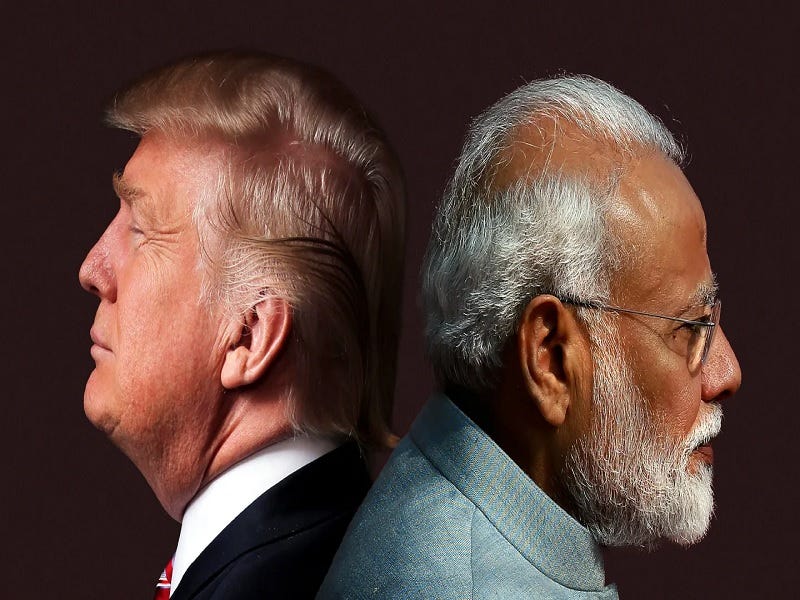
Trump has followed through on his earlier threats regarding Iran’s Chabahar Port, which had previously been exempted from sanctions to facilitate India’s aid in the reconstruction of Afghanistan. This port is crucial for India, serving as the North-South Transport Corridor linking it to the Central Asian Republics (CARs) and Russia. The US had initially supported India’s engagement with the CARs as a counterbalance to Chinese expansion.
However, this dynamic has shifted due to Trump’s dissatisfaction with Prime Minister Narendra Modi’s reluctance to negotiate a favorable trade agreement similar to the EU’s disadvantageous deal. By revoking the sanctions waiver, Trump aims to create a strategic impasse for India: face severe penalties for defying US sanctions on Iran or comply and risk losing ground to China in the CARs.
Amidst the emerging Sino-Indo rapprochement, the US appears intent on amplifying Indian hawks’ concerns about China, hoping this will compel Indian leadership to yield to American demands. The ultimate objective seems to be positioning India as the largest vassal of the US. Concurrently, Trump has also reiterated his desire to reestablish a US military presence at Bagram Airbase in Afghanistan, which could reshape South Asian geopolitics by restoring Pakistan’s influence as a key US ally in the region.
These recent actions create unease in India and confirm concerns that the US may be actively seeking to thwart its rise as a Great Power. There are fears that the revocation of the Chabahar sanctions waiver could be just the beginning, with potential future sanctions related to the S-400 defense system looming. The restoration of Pakistan’s position could enable significant military purchases from the US, which has its own implications for regional dominance.
Even if India were to concede to American pressures and effectively become the largest vassal state, it is likely that the US-Pakistan relationship would remain stable, given their mutual interest in influencing Afghanistan’s future. The presence of US troops at Bagram would serve as a threat to Russia, China, and Iran, while Pakistan could integrate into the new TRIPP Corridor to bolster Turkish influence at the expense of these nations.
This analysis suggests that India is unlikely to submit to US coercion, especially given that removing tariffs on American imports could lead to rising unemployment and social unrest. Similarly, abandoning Russian oil and arms would make India vulnerable to US manipulation, risking a potential sellout to China in future negotiations.
In conclusion, the US seems poised to continue its efforts to subordinate India as a vassal state. Regardless of whether India complies or resists these pressures, the trajectory remains clear: a strengthening of the US-Pakistan alliance that would further isolate and destabilize India politically and economically. The overarching goal appears to be derailing India’s ascent as a Great Power through any means necessary.