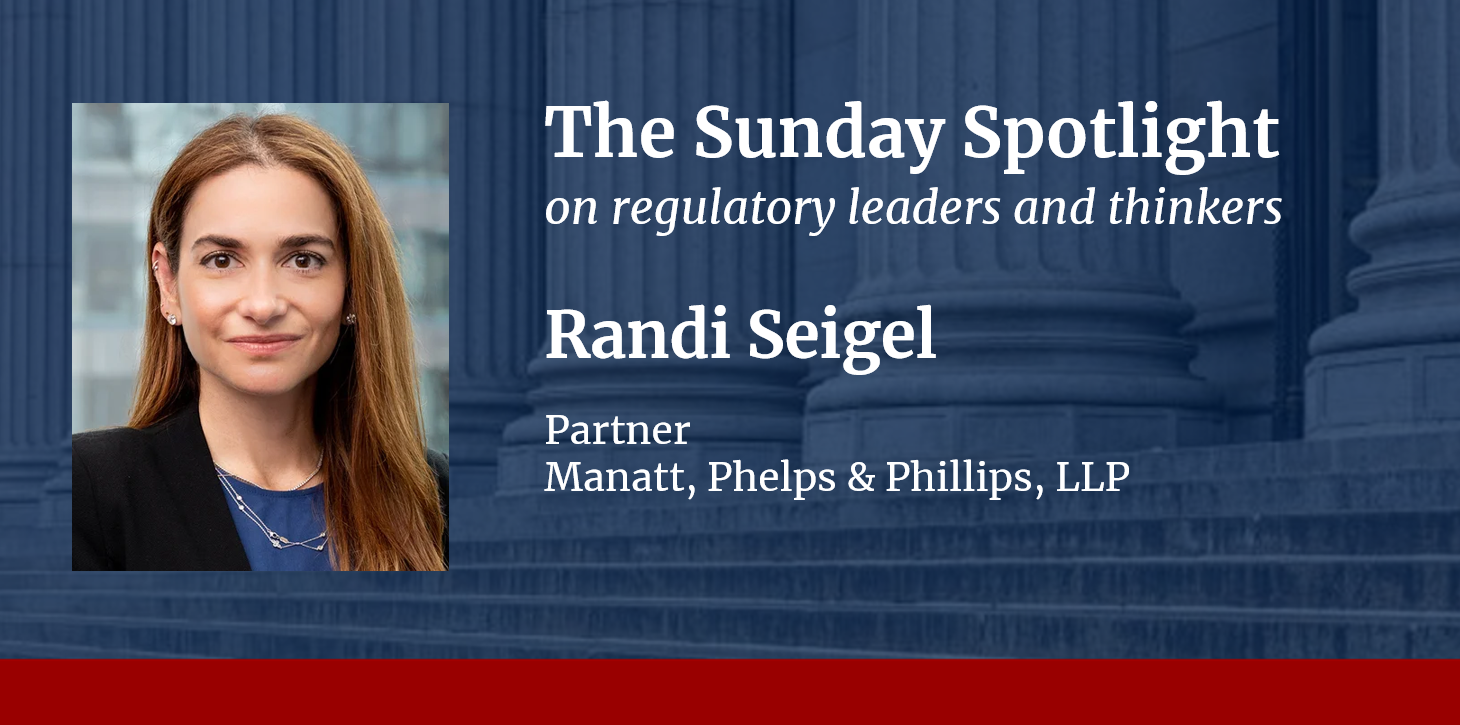
Randi Seigel explores the changing regulatory environment surrounding digital health technologies.
In an insightful discussion with The Regulatory Review, Randi Seigel, an expert in health and technology law, delves into the key challenges and opportunities that arise when regulating digital health technologies.
Seigel points out that the increasing adoption of telehealth, artificial intelligence (AI), and remote monitoring tools by healthcare professionals is enhancing access to care and improving clinical decision-making. However, she cautions that healthcare organizations are faced with a complicated and unpredictable regulatory framework. While recent federal policies show a strong commitment to promoting digital health technology adoption, Seigel warns that the potential end of COVID-era telehealth flexibilities could jeopardize the delivery of virtual care.
As a partner at Manatt, Phelps & Phillips, LLP, Seigel provides legal and strategic guidance to hospitals, insurers, and technology organizations. She specializes in healthcare regulation, including telehealth, AI, and issues regarding provider licensing and reimbursement. Previously, she held the role of vice president of compliance and regulatory affairs at VNS Health.
The Regulatory Review is pleased to present the following interview with Randi Seigel.
The Regulatory Review: Which digital health technologies are most commonly utilized by providers? Which present the greatest opportunities and concerns?
Seigel: Telehealth remains a widely adopted solution among both large and small providers, whether they accept insurance or require out-of-pocket payments from patients. Providers are increasingly using remote patient monitoring tools, such as wearables and connected devices, to manage chronic conditions. Additionally, generative AI is being utilized more frequently to aid in clinical decision-making and patient diagnostics. While AI holds great promise, it can also pose significant risks if it isn’t thoroughly evaluated prior to its implementation and continuously monitored for factors like bias, model accuracy, and security.
TRR:What regulatory challenges do healthcare organizations face regarding these digital tools?
Seigel: Many digital health solutions—such as remote patient monitoring, AI-driven decision support, and certain telehealth services—are either not covered by insurance at all or are reimbursed inconsistently. The telehealth flexibilities that emerged during the COVID-19 pandemic were groundbreaking, enabling millions of patients to access healthcare remotely while ensuring providers received compensation for their services. However, these flexibilities are temporary. Without congressional action to make these changes permanent, Medicare coverage for telehealth will revert to pre-pandemic restrictions, which require patients to be physically present to receive services. Providers face the constant risk that their investments in telehealth infrastructure could become obsolete overnight, along with the follow-up services related to those initial virtual encounters.
TRR:How did the COVID-19 pandemic reshape the regulatory framework for digital health technologies?
Seigel: The COVID-19 pandemic made digital health care indispensable, prompting rapid adaptations within the regulatory framework. During the pandemic, telehealth was permitted across various modalities—including audio/video, asynchronous methods, and frequently, audio-only formats. Initially, these flexibilities were enacted through emergency waivers, temporarily bypassing existing laws governing providers, like federal Medicare and Medicaid regulations, and state licensure laws. Gradually, most temporary waivers evolved into permanent statutes and regulations that officially authorize telehealth at the state level.
Many states enacted laws requiring insurance payors to cover telehealth services, often at parity with in-person consultations. These changes laid the groundwork for swift telehealth adoption by providers, transforming virtual care from an emergency measure into a standard aspect of healthcare delivery.
TRR:How do government payment models affect the adoption of digital health technologies among providers, insurers, and other stakeholders?
Seigel: Government payment models play a critical role, particularly for traditional healthcare systems serving large populations enrolled in programs like Medicare and Medicaid. Medicare coverage often sets the standard for what commercial insurers will cover and the rates they will pay. Some contracts between insurers link reimbursement rates to those of Medicaid, significantly influencing innovation and product design, where digital health solutions are often tailored to commercially insured patients.
The previous administration demonstrated a strong commitment to expediting the adoption of digital health technologies. A notable initiative from the Centers for Medicare and Medicaid Services (CMS) is the recently announced Advancing Chronic Care with Effective, Scalable Solutions Model, which introduces a new payment framework geared towards technology-enabled chronic care management. This initiative embodies a broader policy direction aimed at integrating digital solutions into care delivery and ensuring sustainable reimbursement mechanisms for providers.
TRR:What are the most significant challenges healthcare organizations face amid the current state of AI regulation?
Seigel: The regulation landscape for AI is rapidly evolving and varies by state. In 2025, over 250 AI-related bills affecting healthcare were introduced across 47 states, with 33 of those bills enacted into law in 21 states. While most of these proposed bills did not become law, it’s essential to monitor these developments, especially for organizations operating across multiple states. Different states have implemented varying requirements around transparency, consent, and clinical usage. Although Congress has yet to enact laws directly regulating AI, significant federal action occurred last year through numerous executive orders and the release of the White House AI action plan. Recently, President Trump issued an executive order aimed at preempting state laws on AI through various directives to administrative agencies.
TRR:What advice do you have for law students and recent graduates interested in pursuing careers at the intersection of health law and technology regulation?
Seigel: Law students should focus on courses in administrative law, health law, and topics that connect technology and privacy with healthcare. The principles of administrative law are vital for practical application. Students should engage with adjunct professors working in relevant fields and consider internships or writing projects for credit to gain practical insights. Young lawyers should actively seek opportunities to engage in this space, whether by volunteering to draft thought leadership pieces or assisting in webinar preparation. Building a strong professional network in this field is crucial as these connections can open doors today and in the future. Proactive learning, hands-on experience, and strategic networking are essential for developing expertise in this fast-evolving domain.