Exploring New Investment Opportunities: A Shift in Strategy for POESSA
In a significant development for the investment landscape in Ethiopia, the Private Organization Employees’ Social Security Administration (POESSA) is pivoting toward the capital market as it seeks to diversify its investment portfolio. This decision comes in light of challenges faced in the lucrative real estate sector in Addis Ababa. Here’s what you need to know.
Investment Ambitions and Challenges
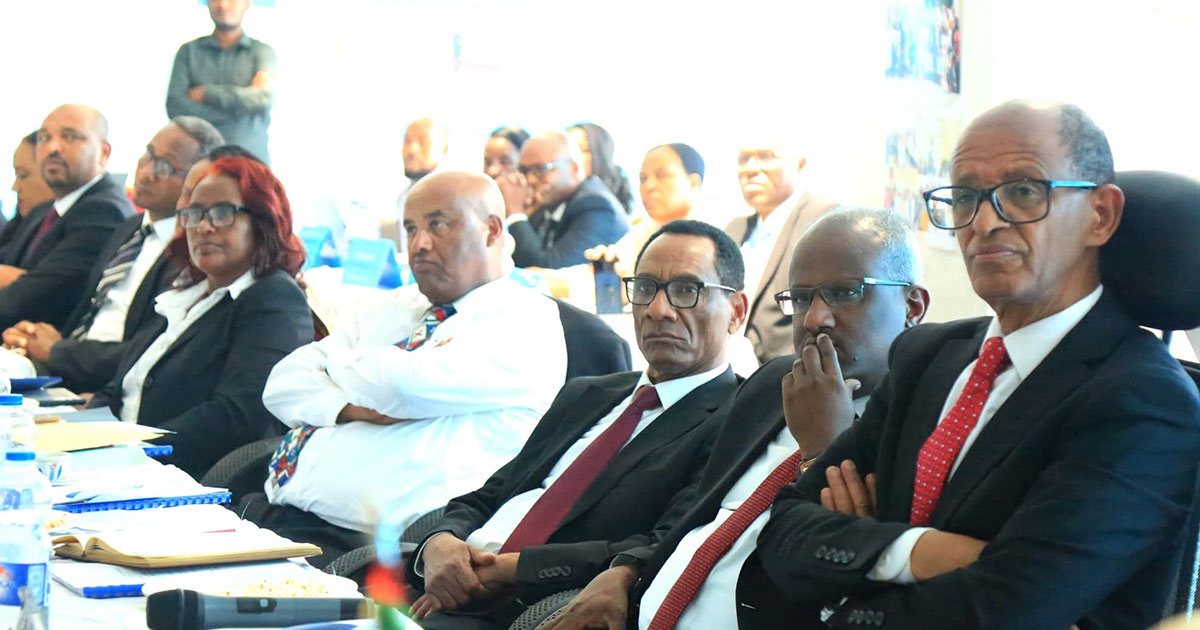
Abate Mitiku, the head of POESSA, recently addressed lawmakers about the organization’s ambitions to expand its investment horizons. During a meeting with the parliamentary Budget and Planning Committee, he indicated that ongoing complications with obtaining land for real estate projects in Addis Ababa have prompted a strategic shift.
An important legislative amendment made three years ago lifted restrictions that had previously confined POESSA’s investment portfolio to treasury bills and government bonds. This change has allowed the agency to explore new avenues, particularly real estate investments. However, despite submitting multiple land acquisition requests, POESSA has struggled to secure the necessary property. “Our plan was to invest significantly in real estate across all districts of Addis Ababa, but we have faced significant barriers,” Abate explained. He emphasized that while the agency is permitted to access land without payment, bureaucratic hurdles remain.
The Move to the Capital Market
In response to these challenges, POESSA is now looking to invest in the capital market as a practical alternative. With an existing portfolio valued at 183 billion Birr, which generated 14 billion Birr in profits last fiscal year, diversifying into capital markets offers a promising opportunity for additional revenue streams.
Abate also addressed the impact of ongoing regional conflicts in Amhara and Oromia, which have hindered the agency’s ability to collect pension payments. These regions have posed significant obstacles, leading to shortfalls in their projected income. “While other areas have met their targets, repayments from Amhara and Oromia remain less than anticipated,” he reported.
Recent Performance and Future Goals
Despite these challenges, POESSA has made strides in its financial performance. The agency recorded 25.8 billion Birr in income over the past six months, resulting in 10.8 billion Birr in profit from investments. The administration also disbursed 1.5 billion Birr to approximately 3,500 pension beneficiaries. As of now, the agency has registered 135,000 employees across 19,700 private organizations.
The administration is determined to address the audit findings of uncollected pensions, having recouped 607 million Birr out of the 861 million Birr identified as outstanding. The remaining balance has been largely affected by ongoing security issues. Looking ahead, POESSA aims to enroll 281,000 new employees from 18,000 private organizations this year and anticipates collections of 55 billion Birr alongside an investment profit target of 20 billion Birr.
Conclusion
POESSA’s strategic reevaluation in light of hurdles in real estate investments illustrates the importance of adaptability in today’s economic climate. By shifting focus to the capital market and continuing efforts to resolve regional conflicts, the agency aims to secure a stable financial future for pension stakeholders. As they navigate these challenges, POESSA’s proactive approach sets a vital precedent for other organizations facing similar issues in investment and operational landscapes.