### Navigating the Triathlon Season: Strategies for Success
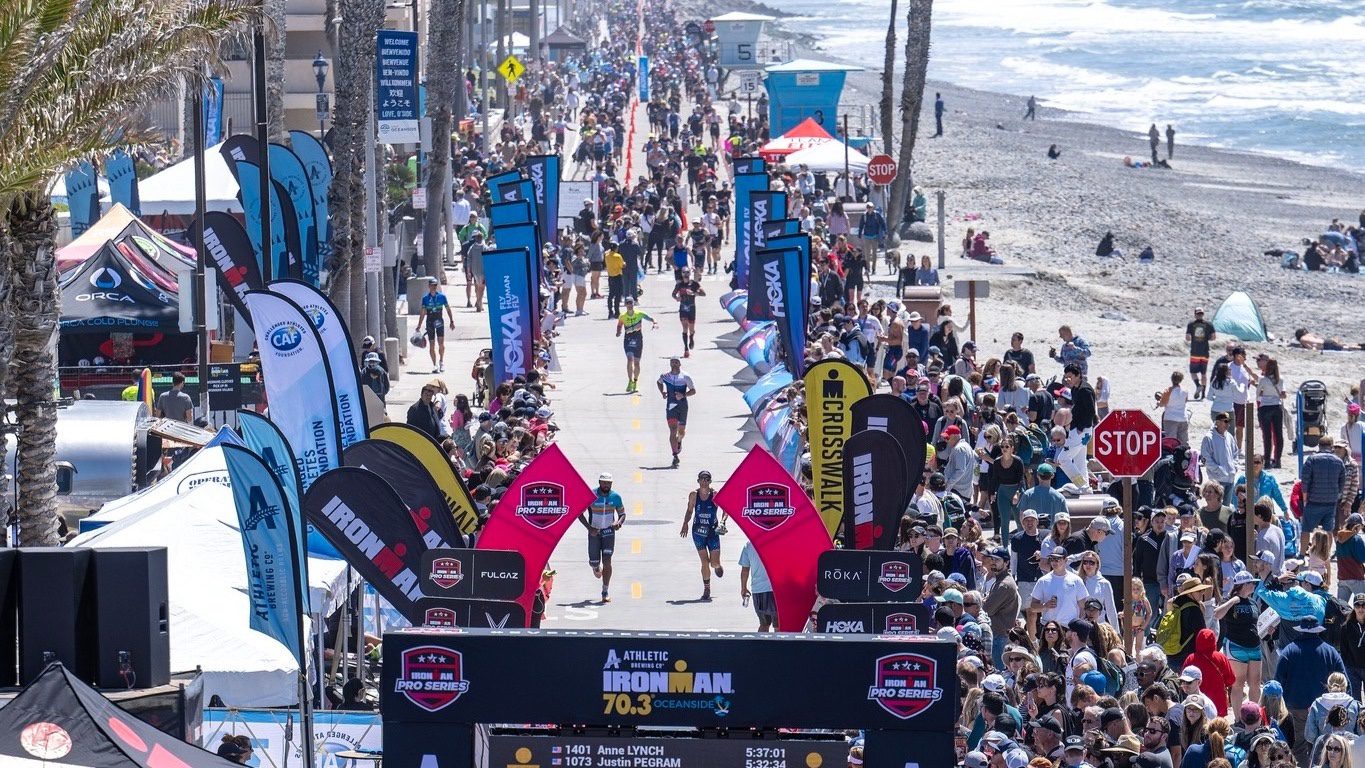
As the 2026 triathlon season approaches, athletes are already gearing up for major competitions. Kicking off with Ironman New Zealand in early March and followed closely by Oceanside 70.3—often regarded as the most competitive early-season race in North America—athletes are confronted with a packed schedule. Meanwhile, the T100 women’s series launches on Australia’s picturesque Gold Coast. With the excitement of these events, athletes also face the cautionary tale of the “Oceanside curse,” where those who succeed too early in the season may struggle later on.
This myth highlights an important question: how can elite athletes balance the need for early-season sharpness with the goal of sustained performance throughout the year?
### The Challenge of an Intense Season
Today’s triathletes contend with a more competitive calendar than ever before, with increased stakes due to overlapping races and championship implications. The introduction of the T100 and Ironman Pro Series in 2024 creates a complex landscape filled with incentives and a revised PTO World Ranking system, which now counts an athlete’s top four results instead of just three. This change amplifies the pressure to perform at peak levels earlier in the season while still preparing for critical championships down the line.
In practical terms, this means athletes must navigate high-stakes races from the onset, requiring strategic thinking that extends beyond any single race.
### Making Strategic Choices
For contemporary triathlon professionals, season planning is less about chasing every opportunity and more about managing trade-offs systematically. Early-season results can significantly shape an athlete’s trajectory, impacting rankings, prize money, and visibility. However, the challenge lies in recognizing the opportunity costs; focusing on swift early-season performance can come at the expense of the foundational aerobic training crucial for later peak events.
Consequently, professional triathletes increasingly prioritize their calendars, treating races differently based on their objectives. Some events serve merely to gauge performance, while others are safeguarded as true targets for peak achievement. The ultimate challenge is resisting the urge to turn every race into a maximal effort.
Moreover, many athletes are shifting away from the concept of maintaining peak form throughout the season. Instead, they’re incorporating strategic breaks into their training schedules—intentional pauses designed to alleviate fatigue, reset training momentum, and ensure long-term performance sustainability.
### Conclusion: Thrive Beyond Early Crowns
Ultimately, the key to avoiding the “Oceanside curse” isn’t about the race itself, but rather about understanding when to push and when to hold back. The athletes who consistently find success are those who recognize the importance of pacing themselves, knowing when to drive for early victories, and how to build momentum for their most significant performances later in the season. By thoughtfully navigating their training schedules and racing goals, they lay the groundwork for year-round success in this demanding sport.