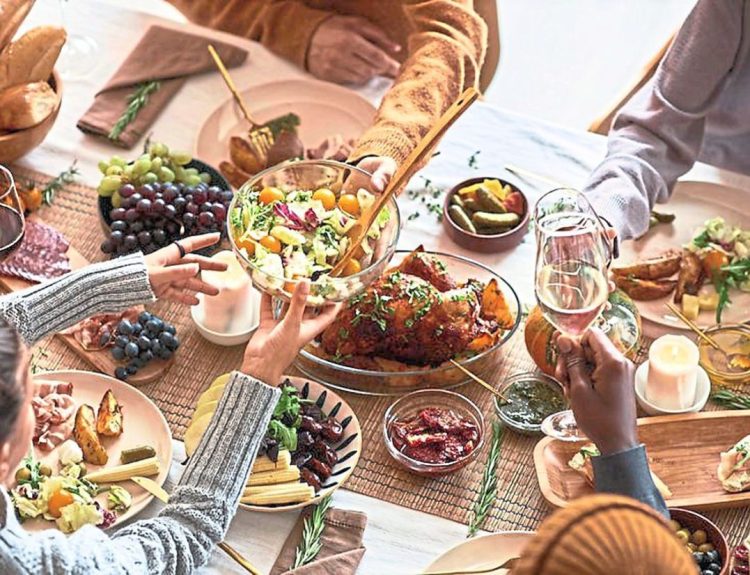
Food has long been a source of joy and a means of fostering community. While its primary role involves nutrition and survival, humans—being inherently social beings—have always collaborated to gather, hunt, and prepare their meals. Throughout history, food has played an essential role in both celebrations and funerals, making it a significant part of our rituals.
Today, however, food often acts as a tool for manipulation. This can manifest when individuals impose restrictive diets on themselves, driven by compulsion, or when others promote marketing programs as the sole path to happiness or wellness. This shift has diminished the joy that food once brought. Some individuals use unhealthy food as a way to manipulate their emotions, experiencing a temporary uplift before the inevitable crash follows. Yet, as Serena Poon, a celebrity chef, Reiki master, and certified nutritionist, discussed on the Getting Open podcast, we can restore joy to our relationship with food while still prioritizing our health. The first step is to dispel several myths that perpetuate our struggles.
Four Facts to Accept for Healing Your Relationship with Food
1. The Mind and Body are One
We need to move away from the idea of the mind-body connection as separate entities. They are fundamentally intertwined, inseparable in our experiences. For years, scientists and doctors have delineated the mind as merely the soul and the body as mere tissue. Yet, both the mind and body require joy, just as they need sustenance.
Our brains need fuel just like our muscles do. Engaging in deep thinking, problem-solving, or intense conversations leads to calorie expenditure; our brains metabolize calories. Thus, our minds require proper nutrition just as any other part of our bodies does.
Moreover, both our bodies and minds flourish on joy. Stress can damage our tissues, accelerating decline and shortening our lives. Conversely, relationships, laughter, and connection can foster longevity research supports.
2. Food is More Than Just Nutrition
Currently, the conversation around food largely revolves around protein. Many focus on their macro intake and resort to unappetizing meals (to put it mildly), such as chicken breast smoothies and other viral trends aimed at optimizing gains. While macro counting has its place, an intense focus on a single aspect of nutrition is neither sustainable nor healthy for most.
Poon understands the importance of nutrition well. After witnessing her father consume food solely for survival during his illness, she recognized the need for a new perspective. Eating hard-boiled eggs for protein wasn’t enriching his experience. Following his passing, she enrolled at Le Cordon Bleu Paris Institute, driven to discover ways to create delicious food that is both nourishing and enjoyable.
When we strip away the joy from food, we inadvertently remove joy from our lives, which is not conducive to holistic well-being. Studies consistently show that happier individuals tend to live longer, and that meaningful connections are critical for a fulfilling and extended life.
Eliminating joy from food, even in pursuit of health, hinders opportunities for connection, pleasure, and the simple enjoyment of life. This is counter to human nature; collective dining has been a universal practice across cultures throughout recorded history.
3. There is No One ‘Cure’ for Our Ailments
Many promote the idea that a single change can lead to complete recovery. These solutions often come in the form of purchasable programs or rigid guidelines that must be adhered to strictly. Initially exciting, these rules can quickly become frustrating, monotonous, and isolating—making them unsustainable.
Poon emphasizes that there isn’t a one-size-fits-all solution. Attempting to tackle multiple issues simultaneously is a common mistake; instead, she advocates for a focused approach to addressing each concern one at a time. Make gradual changes, which often lead to more effective and sustainable results.
Poon suggests universal starting points for improvement: ensure adequate sleep, increase water intake (adding a touch of Celtic sea salt for minerals), and aim to “eat the rainbow” by incorporating more plants into meals.
4. Your Relationship with Food is Not Permanent
Poon insists that tough times often represent key moments for personal growth. Our relationships with food are deeply rooted, influenced by early environments. However, brain pathways are malleable; they can be “rewired” through conscious, incremental choices.
If food has been a means of numbing pain, overcoming this habit will take time and effort. Likewise, those who have developed control through restrictive eating may find it challenging to adjust their habits.
Yet, valuable outcomes often arise from hard work—from building careers to nurturing relationships. Therefore, why should healing our relationship with food be any different? Those who successfully transform their relationship with food begin by understanding that life should be joyful, and that eating healthily need not come at the expense of happiness.
Elizabeth Ayers-Callahan is a writer covering relationships, parenting, and women’s well-being.