Demystifying Calisthenics: A Beginner’s Journey
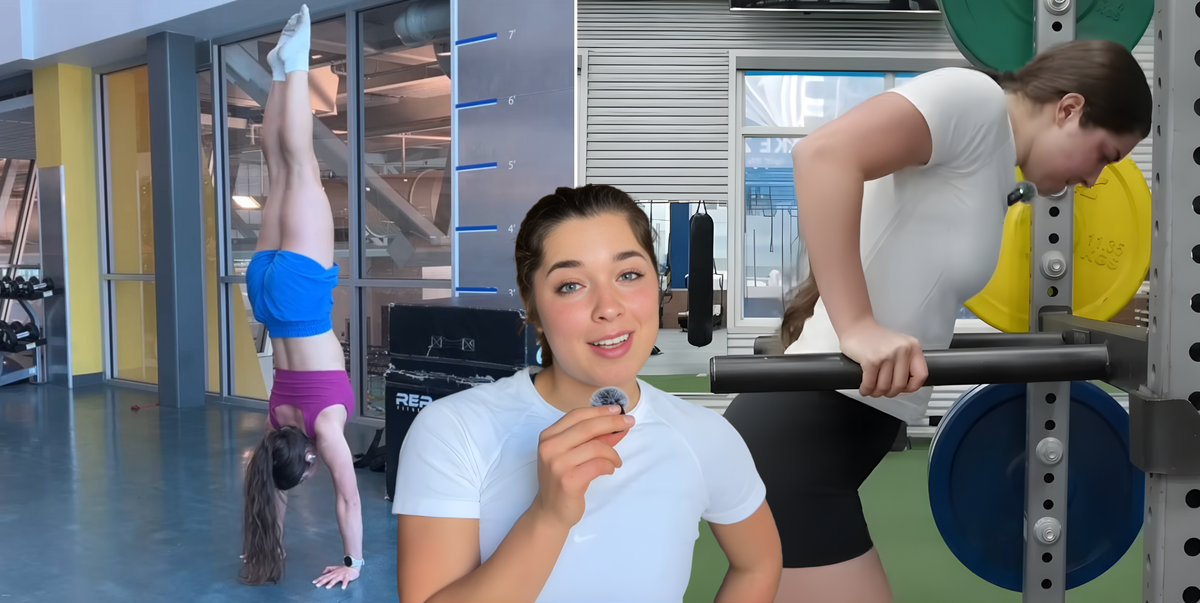
Calisthenics, a fitness discipline that utilizes bodyweight exercises for resistance, has transcended its origins rooted in professional gymnastics. It is now gaining popularity among fitness enthusiasts for its versatility and accessibility. This article follows the experience of fitness enthusiast Riley Rehl as she embarks on a 30-day calisthenics training journey, focusing on practical insights and lessons learned.
Embrace Your Inner Beginner
One of the most vital lessons is to recognize and embrace the beginner’s mindset. It’s common to feel disheartened when starting something new, but pushing past that initial discomfort is essential for growth. Riley committed herself to a month of training, acknowledging that she would start by not being good at it. “The barrier to entry is our willingness to be bad at it first,” she noted.
A Diverse Range of Exercises
Calisthenics offers a plethora of exercise options that can keep your workouts engaging while allowing you to focus on specific skills. Riley primarily aimed to improve her L-sits, pull-ups, and handstands but discovered numerous other bodyweight exercises to incorporate into her routine. From box step-ups and Bulgarian split squats to glute bridges and dips, the possibilities are vast.
For instance, one of her leg-focused sessions included movements such as squat jumps and reverse lunges. On another day, she concentrated on upper body strength with exercises like the yoga arm balance Crow Pose. By mixing different exercises into her regimen, she kept her workouts fresh and challenging.
Train Smart, Even While Injured
Calisthenics is adaptable and can be practiced even when managing minor injuries. Riley experienced a back issue early in her training but chose to modify her workouts instead of halting them entirely. “Even though my back hurts, I can still focus on other movements,” she mentioned. By resting and icing her injury while exploring alternative exercises, she continued to make progress without overexerting herself.
Consistent Progress: Not Always Flashy
In calisthenics, progress may sometimes feel agonizingly slow. During her handstand training, Riley found herself frustrated despite her efforts. She learned that progress could be subtle— mere millimeters of control might seem insignificant, but they matter.
Over time, she recognized her improvements in balance and coordination, even if they weren’t always visually dramatic. Unexpected gains came as she practiced consistently, leading her to hold a handstand for 2.47 seconds—an achievement that felt incredible despite her struggles.
Strengthening Your Core
Core strength is crucial in calisthenics, enabling you to support your body during various dynamic movements. Riley focused extensively on her core throughout her training. The exercises led to significant improvements; she found herself capable of holding a V-sit for 31.65 seconds by the end, a remarkable increase from just 3.5 seconds at the beginning.
For those wanting to strengthen their core, incorporating bodyweight ab holds is a fantastic strategy that Riley successfully utilized in her training.
Work Out Anytime, Anywhere
One of the most appealing aspects of calisthenics is the ability to work out without needing special equipment or a dedicated space. Riley often completed her workouts at home, making use of everyday items like chairs for dips or even her living room floor for push-ups.
For outdoor training, she practiced in parks, utilizing grass for push-ups and park railings for handstands. This flexibility makes calisthenics an ideal choice for those with busy schedules who may find it challenging to get to a gym.
Celebrate Small Wins
Riley learned to celebrate her achievements, no matter how minor they might seem. It’s normal to experience setbacks, but focusing on progress is vital. “I had one really good rep today that got me excited,” she said, even after many unsuccessful attempts. This perspective shift helps maintain motivation and reinforces the importance of consistency.
Keep Showing Up
The key to success in any fitness program is consistency. Despite the frustrations, Riley saw significant improvements in her performance; for instance, her push-up count rose from 33 to 44, and she made visible strides in her pull-ups and dips.
Her handstand peaked at 3.03 seconds, shorter than her goal but indicative of her progress and commitment. “If I keep practicing, I will get it,” she reflected, embracing the journey rather than fixating on specific outcomes.
Conclusion
Calisthenics presents an accessible, engaging, and adaptable way to enhance strength, coordination, and balance. Whether you’re a seasoned athlete or just starting out, there’s much to gain from embracing bodyweight training. With practice, patience, and a willingness to embrace both successes and setbacks, anyone can thrive in this dynamic workout routine. Remember, the journey is just as important as the destination—so keep showing up and enjoy the process!