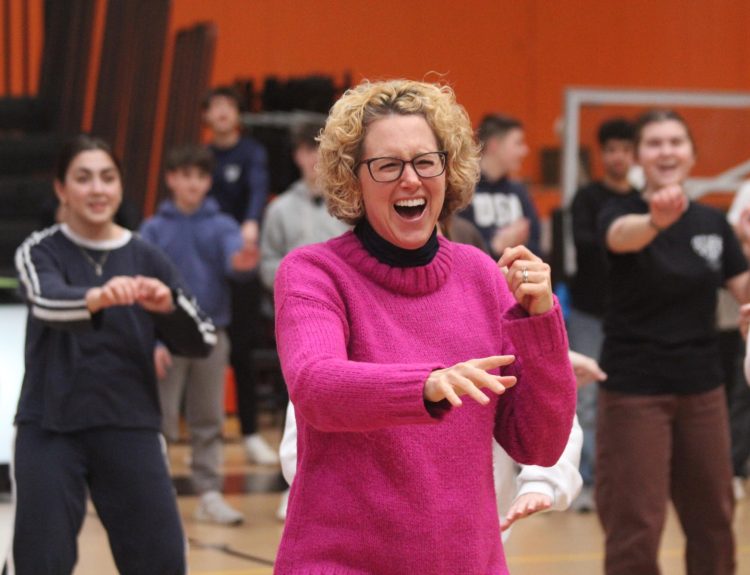
As fitness evolves, a new trend is emerging—one characterized by gentle movement rather than intense workouts. This growing movement, known as “quiet fitness,” emphasizes low-impact, everyday activities that seamlessly integrate into our daily lives. “This type of exercise focuses on consistent, low-intensity workouts that prioritize movement, well-being, and rest,” explains Stella Volpe, a nutrition and exercise expert at Virginia Tech.
Quiet fitness avoids the structured gym sessions and intense training schedules commonly associated with traditional exercise. Instead, it encompasses simple activities like walking during phone calls, opting for walking meetings, or engaging in brief stretching breaks throughout the day. “It’s about moving more and more often,” Volpe adds.
Rethinking What Counts as Exercise
A common misconception surrounding low-intensity movement is the belief that it won’t yield health benefits. Volpe points out, “Many people think they need to engage in high-intensity workouts to see results. However, simply being active can significantly improve overall health.” This mindset often discourages individuals from starting any form of exercise at all. Studies have shown that activities like walking can reduce the risk of chronic diseases and foster long-term health improvements.
Shockingly, only about 25% of individuals engage in regular exercise. By redefining “exercise” to encompass more movement, we may encourage a larger segment of the population to incorporate activity into their lives.
Can Quiet Fitness Boost Strength and Heart Health?
Contrary to its gentle name, quiet fitness can still offer substantial health benefits. “Depending on the activity, it can help maintain or build strength, enhance cardiovascular health, and reduce the risk of injury,” Volpe notes. “Consistent, low-intensity movement over time can significantly bolster cardiovascular fitness.” As individuals become more accustomed to regular activity, they may find themselves naturally moving for longer durations or gradually increasing intensity.
Simple Ways to Get Started
Quiet fitness requires no special equipment or gym memberships. Volpe suggests incorporating small movements throughout your day. Here are some practical ideas:
-
Walk to work or park farther away from the entrance.
-
Choose the stairs over the elevator.
-
Take short breaks for stretching or meditation.
-
Incorporate leg lifts or core engagement during meetings.
-
Sit on a balance ball at your desk.
-
Dance or move during television commercials.
Volpe emphasizes, “These small movements accumulate throughout the day, helping you stay active without feeling overwhelmed.”
Consistency Over Intensity
For newcomers to the idea of quiet fitness, Volpe encourages focusing on consistency rather than performance metrics. “Aim to move every day; and if you miss a day, that’s okay—just strive to be active most days of the week.” Ultimately, quiet fitness represents a shift in mindset regarding exercise. “Any movement is better than none,” she says. “That’s the perspective I want people to adopt.”
About Volpe
Stella Volpe is a professor and head of Virginia Tech’s Department of Human Nutrition, Foods, and Exercise. Her research focuses on obesity and diabetes prevention, functional foods, and inflammatory markers. Additionally, she conducts research with athletes across varying levels. Volpe is a certified American College of Sports Medicine (ACSM) Clinical Exercise Physiologist and a registered dietitian nutritionist. She has served as the past chair of the United States President’s Council for Fitness, Sports, and Nutrition and as a past president of the ACSM.
Interviews
To schedule an interview with Stella Volpe, please contact Margaret Ashburn in the media relations office at mkashburn@vt.edu or 540-529-0814.
In conclusion, as we navigate the busy demands of modern life, embracing quiet fitness can be a liberating approach to activity. By weaving movement into our daily routines and lifting the weighty expectations of traditional exercise, we pave the way for a healthier lifestyle rooted not in high intensity, but in consistency and enjoyment. Remember: every little movement counts towards your overall wellness. Start small, stay consistent, and watch as those little changes accumulate into a more active life.