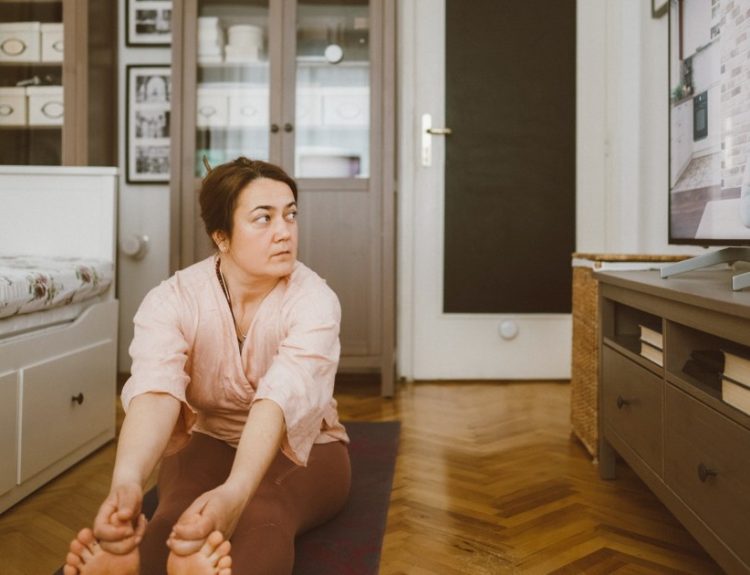
As fitness evolves, a new trend is emerging that emphasizes a gentler, more sustainable approach to physical activity. Known as “quiet fitness,” this style of exercise is gaining popularity as individuals shift away from intense workouts and rigid training schedules. Instead, it prioritizes gentle, consistent movement that can be easily integrated into daily routines.
Stella Volpe, a nutrition and exercise expert from Virginia Tech, explains, “This approach focuses on low-intensity workouts that enhance overall well-being and encourage rest.” Quiet fitness takes many forms, such as walking during phone calls, holding walking meetings, or incorporating stretching breaks throughout your day. Volpe emphasizes, “It’s about moving more often, in ways that fit seamlessly into your life.”
Redefining Exercise
Many people mistakenly believe that low-intensity activities are insufficient for improving one’s health. Volpe points out that the notion that exercise must be intense often prevents individuals from getting started. She advocates for a broader interpretation of physical activity, stating, “Simply being active can make a significant difference for many.”
Evidence suggests that even activities like walking can reduce the risk of chronic diseases and support long-term wellness. With only about 25% of the population currently engaged in regular exercise, shifting the focus towards simply being more active may motivate more individuals to incorporate movement into their lives.
The Benefits of Quiet Fitness
Despite its gentle nature, quiet fitness can deliver numerous health advantages. Depending on the specific activities involved, it can help maintain or enhance strength, improve heart health, and decrease the risk of injuries. Volpe explains, “Regular movement strengthens cardiovascular fitness, and can contribute to muscle maintenance or growth.” As individuals build their fitness levels, they may naturally find themselves able to engage in longer or more intense activities.
Practical Steps to Get Started
You don’t need special equipment or a gym membership to engage in quiet fitness. Volpe recommends small, manageable movements that can easily be incorporated into your daily life, such as:
-
Walking to work or parking further away from building entrances.
-
Opting for stairs over elevators.
-
Stretching or taking quick moments to meditate during short breaks.
-
Doing leg lifts or engaging your core during meetings.
-
Sitting on a balance ball at your desk.
-
Shaking a leg or dancing during TV commercials.
“These small movements accumulate,” Volpe affirms, “and they promote an active lifestyle without overwhelming anyone.”
Focusing on Consistency
For those new to quiet fitness, Volpe encourages emphasizing consistency over performance. “Attempt to move every day,” she suggests. “If you miss a day, that’s fine; just aim to be active most days of the week.” The essence of quiet fitness lies in nurturing a new perspective on exercise.
“Any movement is better than none,” Volpe concludes. “This shift in mindset is crucial.”
About Stella Volpe
Stella Volpe is a professor and head of the Department of Human Nutrition, Foods, and Exercise at Virginia Tech. Her research focuses on obesity and diabetes prevention, as well as functional foods and inflammatory markers. Volpe is also an American College of Sports Medicine (ACSM) Certified Clinical Exercise Physiologist and a registered dietitian nutritionist.
Interviews
For interview requests with Stella Volpe, please contact Margaret Ashburn in the media relations office at mkashburn@vt.edu or call 540-529-0814.
—
In conclusion, embracing quiet fitness allows for a more approachable and sustainable way to enhance your physical activity levels. By focusing on gentle, consistent movement integrated into your daily life, you’re not just contributing to your health but also fostering a healthier mindset towards fitness overall. Start small and remember that every little bit of movement counts!