Embracing Fitness at Every Stage of Life: A Personal Journey
Many of us embark on fitness journeys at different points in our lives, often influenced by personal circumstances. For me, fitness wasn’t a significant part of my childhood. I didn’t engage in sports and only stepped into a gym for the first time at 18, driven by a desire to enhance my body image. As I transitioned into my 20s and 30s, I dived into marathon running, focusing heavily on endurance. However, as I approached midlife, my perspective on health evolved, prompting me to explore strength training, holistic well-being, and nutrition.
Finding CrossFit at the age of 41 became a pivotal moment in my fitness journey. Encouraged by a friend, I was curious enough to give it a try. The empowering experience of lifting weights and feeling stronger was unlike anything I’d previously encountered. It was through CrossFit that I first identified as an athlete, setting specific performance goals and participating in competitions, ultimately discovering levels of strength and confidence I had longed to achieve.
However, it wasn’t just the workouts that kept me engaged—it was the robust community surrounding CrossFit. This built-in support system provided encouragement and camaraderie, transforming fitness from a chore into a rewarding pursuit.
After about ten years in the CrossFit world, my life took a significant turn as I entered menopause and was diagnosed with thyroid cancer at the age of 51. Thankfully, the cancer was detected early, requiring only surgery to address half of my thyroid. Yet, how my body responded post-diagnosis was unexpected. The energy, strength, and recovery I had previously relied upon began to shift, necessitating adjustments to my fitness routine.
Adapting Fitness to New Realities
With my changing health needs, I recognized that what worked well previously needed to evolve. I didn’t abandon my training; instead, I slowed my pace. Continuing to lift weights was essential, but I stepped back from the intensity of CrossFit to allow my body to recuperate properly.
Nutrition became a focal point in my journey. I prioritized protein and whole foods, shifting away from restrictive eating patterns. By listening to my body’s needs, I began to notice improvements in my energy, mood, and overall well-being. This reinforced my belief in the importance of nurturing oneself consistently, especially when life’s challenges arise.
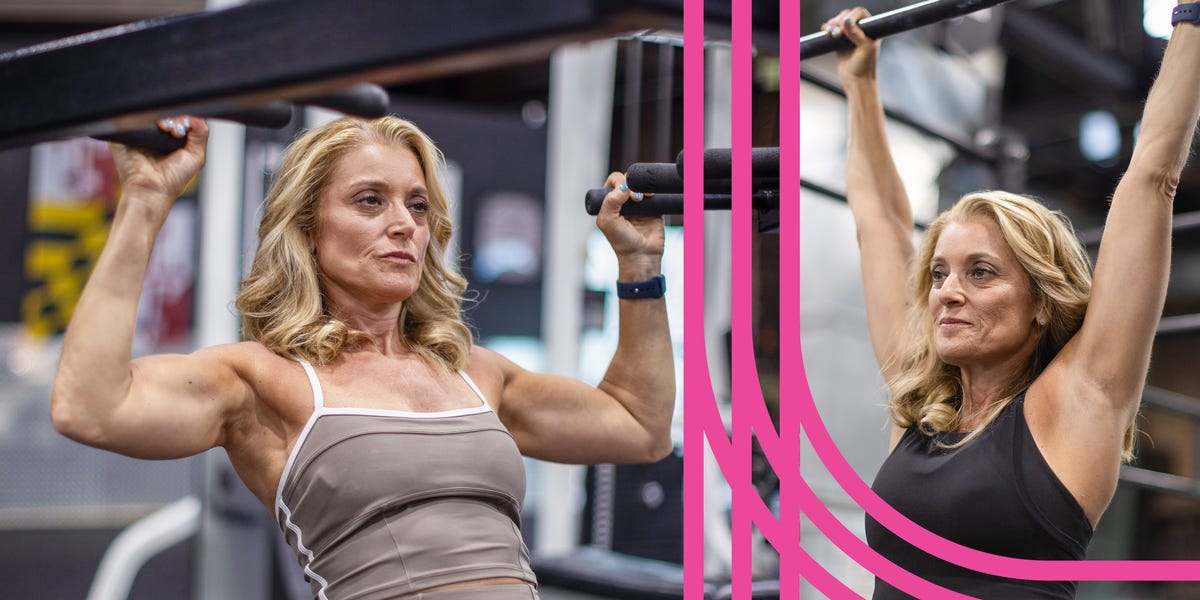
Now, my fitness regimen consists of strength training five days a week. I balance my workouts with two upper-body days, two lower-body days, and one full-body day, rotating through compound movements like squats, deadlifts, and lunges. These exercises allow me to build strength and maintain muscle mass, and I follow the progressive overload method, adjusting my workouts every six to eight weeks for continued development.
Cardiovascular health is also part of my strategy. I aim for 8,000 to 10,000 steps each day and occasionally add short sessions of high-intensity interval training (HIIT) for variety. On rest days, I opt for active recovery, engaging in light walking and mobility work to support my body’s recovery needs.
Key Habits for Sustainable Fitness
Through adapting my routine, I discovered three key habits that significantly transformed my fitness experience:
-
Consistency Over Intensity: With major health shifts, I learned the value of showing up regularly rather than going all out every session. A consistent approach has aided my progress more than the extremes I once embraced.
-
Prioritizing Recovery: Recovery is just as crucial as the workouts themselves. I focus on getting adequate sleep and nourishing my body with the right foods. Healing and rebuilding occur well beyond the gym.
-
Listening to My Body: This shift in mindset emphasizes tuning into my body’s needs rather than pushing it to its limits. Slowing down and engaging in controlled strength training has led to better overall performance and a stronger connection to my physical self.
It might seem that I have dialed down my efforts since my diagnosis, but in reality, I feel stronger and more connected to my body than ever. I possess mobile strength and resilience that have grown over time. Recently, I have achieved some of my strongest lifts ever, such as increasing my deadlift weight and enhancing my pull-up capacity. These improvements are a testament to our bodies’ remarkable resilience and adaptability.
As I navigate my journey through midlife and menopause, I’ve realized that these stages don’t signify decline but can instead mark powerful turning points. With the right approach to strength training, nutrition, and recovery, women can regain control over their health.
Conclusion
The journey to fitness is personal and can change dramatically based on life events. My experience confirms that solidifying a foundation of consistent training, nutritious eating, and active recovery can empower anyone—regardless of age—to thrive even in the face of life’s uncertainties. Your fitness journey is unique, and embracing these principles can guide you toward achieving your goals, no matter where you begin.