Are HBCUs Still Preserving Black Culture?
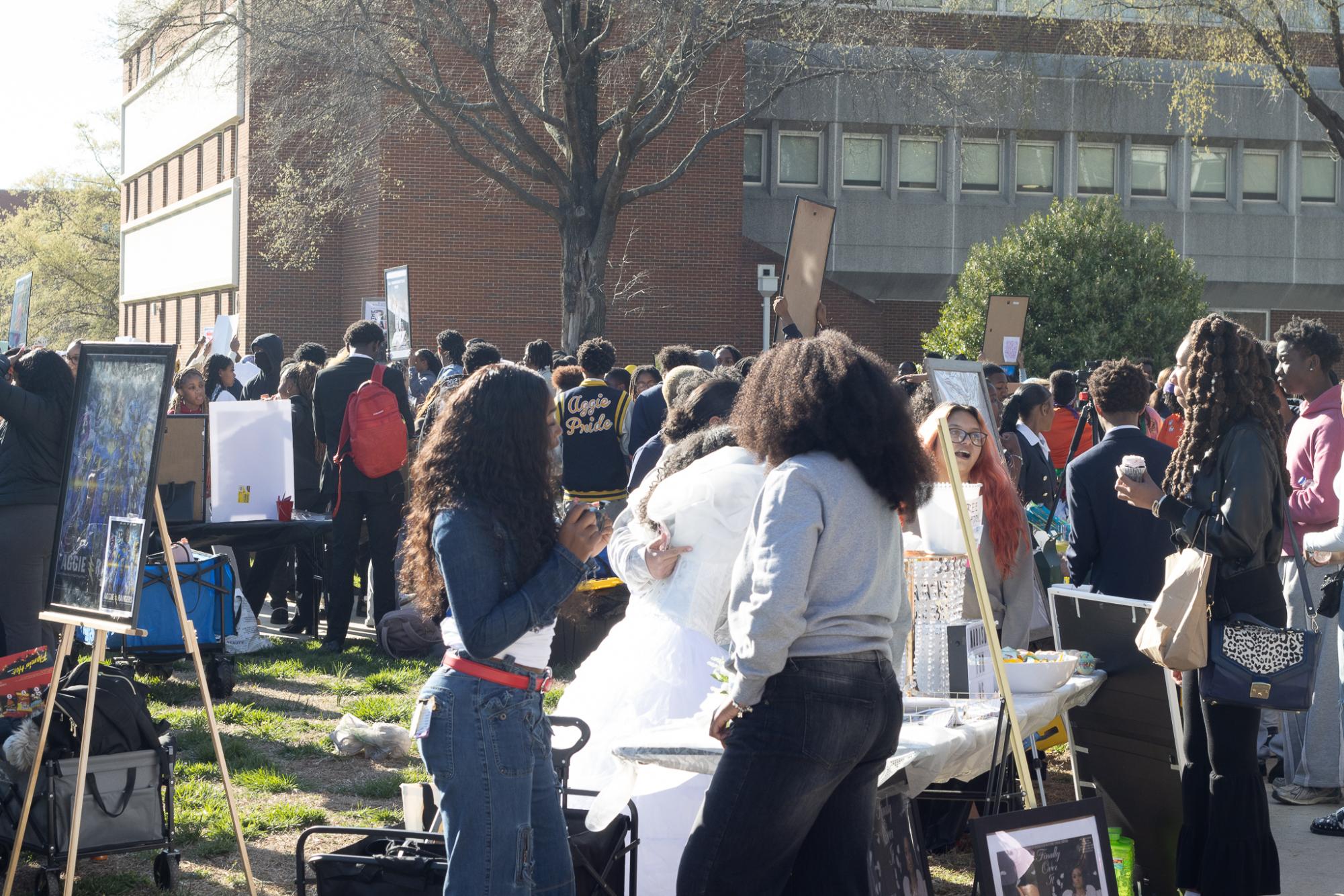
Historically Black Colleges and Universities (HBCUs) are not just educational institutions; they serve as vibrant hubs for Black identity, history, and cultural expression. The joy and pride visible during homecoming celebrations exemplify how these institutions foster community and connection among students, alumni, and the broader culture.
Founded in response to the exclusion of African Americans from higher education after the Civil War, HBCUs have evolved into centers of leadership, activism, and cultural richness. As a student at N.C. A&T, I’ve witnessed firsthand the significance of such an environment. The university’s homecoming—dubbed “the Greatest Homecoming on Earth”—unites generations, celebrating the pride and spirit of Aggies.
Student experiences reflect a shared belief in the importance of cultural preservation. Students like Zaiden Meadows affirm that while HBCUs may differ, many excel in maintaining their unique traditions and histories. Campus events, student organizations, and the study of African American history help create a strong sense of belonging and identity.
Despite variations among HBCUs, the commitment to preserving Black culture is vital, transcending classroom learning. These institutions help students connect with their roots and emphasize that culture is continually shaped by each generation. A&T, for example, honors its historical significance through the story of the Greensboro Four, who played a critical role in the Civil Rights Movement.
In conclusion, HBCUs demonstrate that preserving culture can involve evolving traditions and ideas. Encouraging new generations to engage with and redefine their cultural heritage ensures that the essence of Black culture continues to thrive.