In a world where social media shapes fitness trends, the nostalgia for earlier workout routines is making waves on platforms like Instagram and TikTok. Inspired by the throwback to 2016, users are showcasing how their fitness journeys have evolved over the past decade, engaging a community eager to reflect on their progress.
This revival is not just about indulging in old-school vibes; it highlights significant shifts in gym culture and workout preferences. Curious about what made 2016 the year of high-intensity classes and how these trends are transforming today? Let’s delve into the evolution of fitness trends from then to now.
High-Intensity Classes Rocked 2016
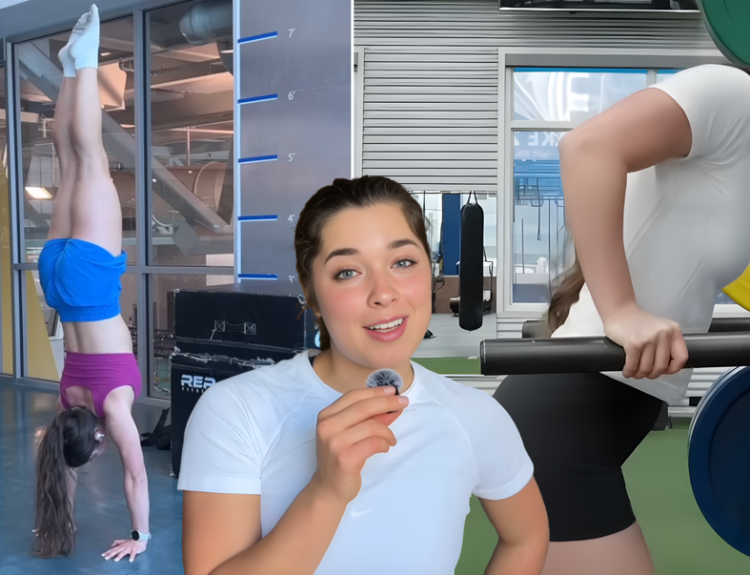
@mirbai33 so let’s bring back this trend ✨ team was locked in & delivered!! inspired by my fav @Holland Scattergood #2016 #pittsburgh #indoorcyclinginstructor #Fitness #groupfitness ♬ original sound – Randy ◡̈
Back in 2016, the gym landscape was dominated by high-intensity workouts. Classes like spin, combat, and circuit training were all the rage, designed for those who thrived on the adrenaline of intense exercise. Participants left the gym feeling accomplished yet exhausted, often reeling from the workout’s intensity.
The focus was primarily on aesthetics and achieving quick results. High-energy, cardio-rich classes were preferred, guaranteeing an immediate sense of achievement after burning off calories. Furthermore, energetic music from popular artists like Drake and Rihanna served as a backdrop to these sessions, helping maintain motivation even during grueling intervals.
The Shift Towards Wellness
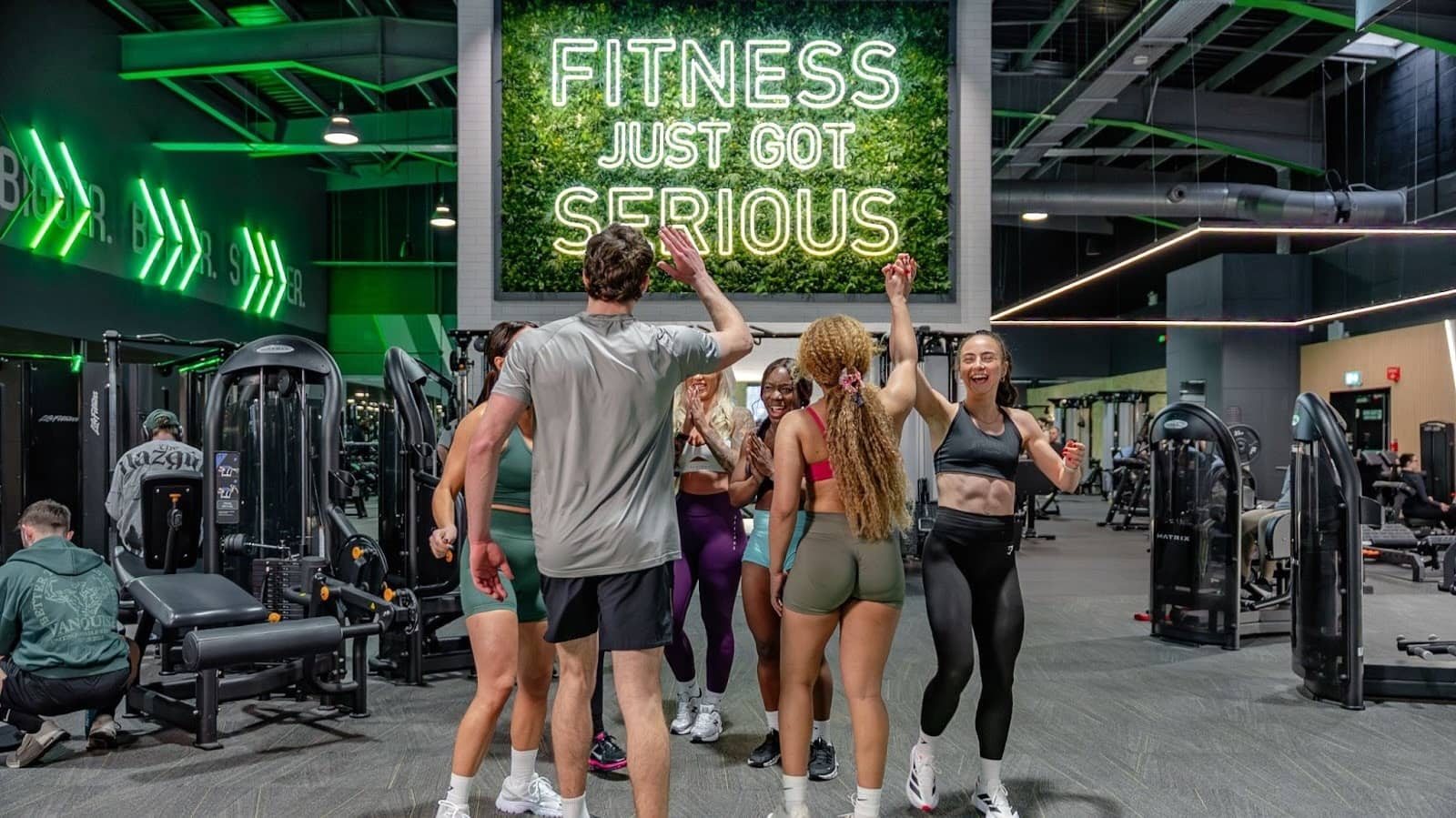
@gymjillyyy PRIME Gym time is back babyyyy!!! #gymmotivation #2016 #gymgirl #fitness @Gymshark ♬ suono originale – Jr Stit
Then came 2020, a year that transformed our lives and fitness priorities. Lockdowns forced us to reconsider our understanding of health and well-being. Many turned away from extreme workouts and sought a more balanced approach that emphasized sustainability and overall wellness.
This shift led to a resurgence in popularity for activities like Pilates, hot yoga, and strength training — disciplines that prioritize both physical health and mental well-being. The focus moved from quick results to long-term benefits; now, the goal was not just to survive a workout but to feel revitalized after it.
Looking Ahead: The Rise of Hybrid Training in 2026
As we move towards 2026, it’s fascinating to see how old and new influences converge in fitness. JD Gyms predicts that hybrid training will emerge as the next defining trend. This style combines elements of strength, cardio, and agility into seamless sessions, allowing participants to achieve comprehensive fitness without spending excessive time at the gym.
Indeed, current data suggests a growing interest in hybrid workouts, with online searches for “hybrid fitness” surging significantly in recent months. Classes like JD ENGINE offer structured training that builds endurance, enhances flexibility, and fosters a sense of community in the gym.
The Logic Behind the Trend
While the throwback to 2016 may seem merely nostalgic, it points to a real evolution in fitness culture. There’s still an appetite for intensity, but individuals now seek it within a balanced framework. Hybrid training provides a compelling solution — it combines hard work with smart structure and variety, reducing the risk of burnout while maximizing motivation.
As we embrace these changes, it’s clear that the fitness landscape is continually adapting. With the insights from both past and present, 2026 is poised to be an exciting year for fitness enthusiasts. The key is finding a routine that promotes health and happiness without turning every session into a struggle.