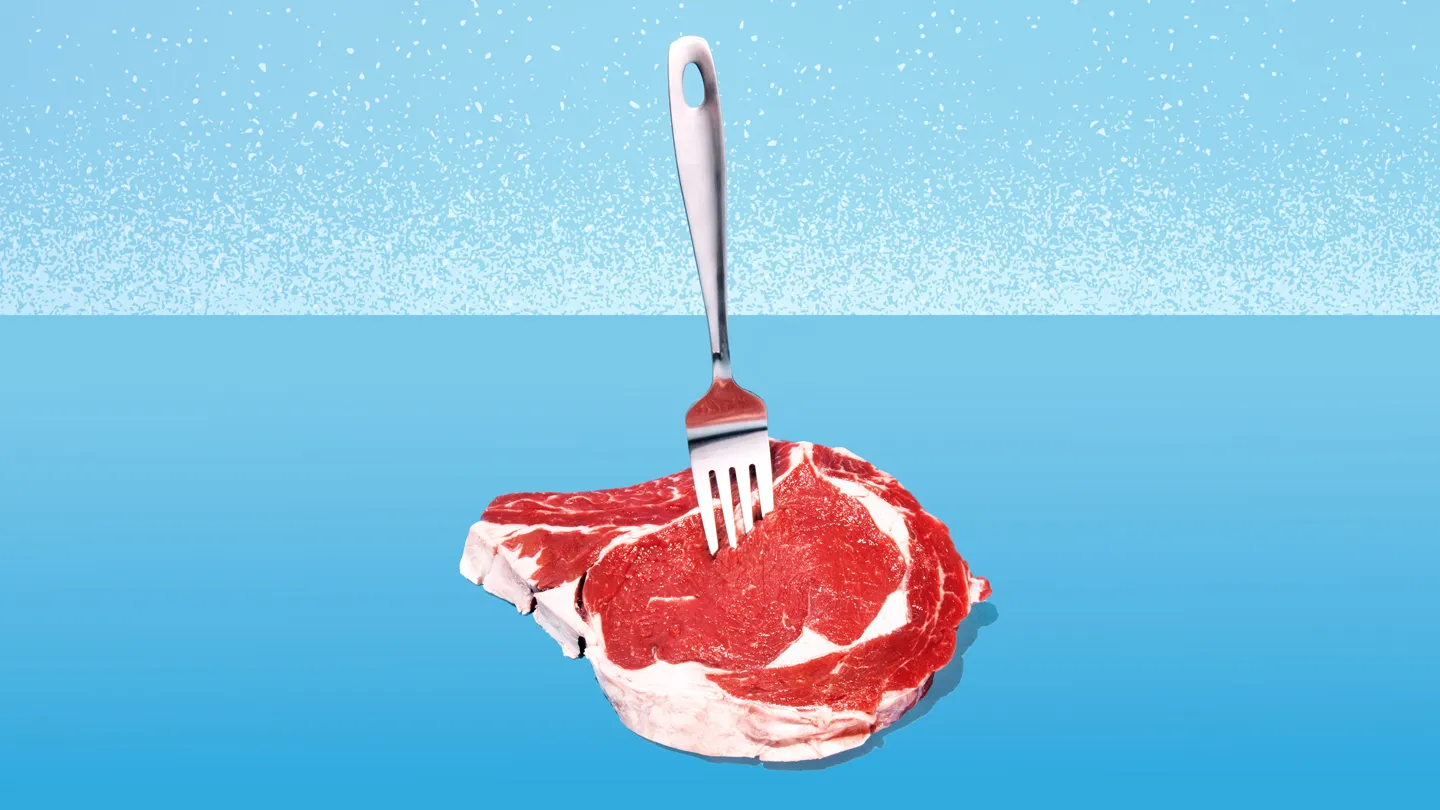
So, what is the actual health impact of red meat?
“Nutrition doesn’t provide one clear answer for everyone,” explains Samantha Coogan, RDN, director of the Didactic Program in Dietetics at the University of Nevada, Las Vegas. She acknowledges that while there are varying opinions, certain benefits and concerns surrounding red meat can be generalized.
What Nutrients Are in Red Meat?
The specific nutrients in red meat vary by the type of meat consumed, but most provide a wide range of essential nutrients, according to Whitney Linsenmeyer, PhD, RD, a spokesperson for the Academy of Nutrition and Dietetics based in St. Louis.
Potential Health Benefits of Red Meat
Red meat serves as a complete protein source and offers several health benefits:
Managing Hunger The high protein content provides a “hunger-crushing” effect, helping individuals feel satiated for a longer duration, according to Sarah McDougal, RD, an adjunct professor at the University of New Haven School of Health Sciences.
Preventing Anemia Red meat contains heme iron, which is easily absorbed by the body. “Iron is crucial for maintaining heart health, preventing anemia, and sustaining energy levels,” says Coogan.
Additional Benefits The zinc found in red meat is beneficial for immune function and cognitive health. As an antioxidant, selenium helps to neutralize free radicals, which may reduce cancer risk.
“Red meat can benefit individuals without underlying health issues who are at low risk for heart disease, high cholesterol, or diabetes,” Coogan states.
Red Meat Risks and Drawbacks
While red meat has its benefits, potential risks should also be considered.
A 4-ounce (oz) sirloin steak—a fairly lean cut—contains approximately 7 grams of saturated fat, notes Dr. Linsenmeyer. For a person consuming 2,000 calories daily, this accounts for about 3 percent of their calorie intake.
“It’s important to remember that various foods like dairy, eggs, fried foods, and butter also contribute to overall saturated fat consumption,” she adds.
Diets high in saturated fat have also been associated with an increased likelihood of developing colorectal cancer, as stated by McDougal.
Individuals with a heightened risk (or a family history) of heart disease, high cholesterol, or colorectal cancer should be particularly vigilant regarding their total saturated fat intake, she emphasizes.
Does the Type of Red Meat or Cooking Method Matter?
The nature of the red meat consumed and how it is prepared significantly influence its health implications:
Types of Red Meat with High Saturated Fat The category of red meat includes a vast array of options, some of which are richer in saturated fat than others. For instance, pork belly (common in bacon) is notably high in saturated fat, whereas cuts like beef tenderloin are comparatively lean, according to Linsenmeyer.
How to Incorporate Red Meat Healthily
If you choose to include red meat in your diet, here are some tips to ensure it is healthier:
- Limit portion size to 4 oz per serving.
- Aim for a total of less than 18 oz of red meat per week.
- Select lean cuts such as tenderloin, sirloin, round, or flank, as well as ground beef that is at least 90 percent lean.
- Opt for cooking methods like braising or roasting.
- Trim any excess fat before cooking.
- Pair red meat with nutrient-rich, fiber-filled plant foods.
In addition to red meat, ensure your diet features a variety of lean protein sources, which may include poultry, fish, pork, eggs, and low-fat dairy products, as well as plant-based foods like soy, quinoa, beans, nuts, and seeds, according to Coogan.
Also, emphasize foods that provide fiber and other essential nutrients, including fruits, vegetables, and whole grains, as highlighted by McDougal.
“Ultimately, I believe it’s vital for everyone to focus on the overall quality of their diet rather than fixating on specific foods as either ‘good’ or ‘bad.’ All foods can have a place in a balanced diet,” she remarks.