Are you ready to transform your fitness journey? Get weekly workouts and straightforward training tips sent directly to your inbox.Sign up here and start your journey to gains today!
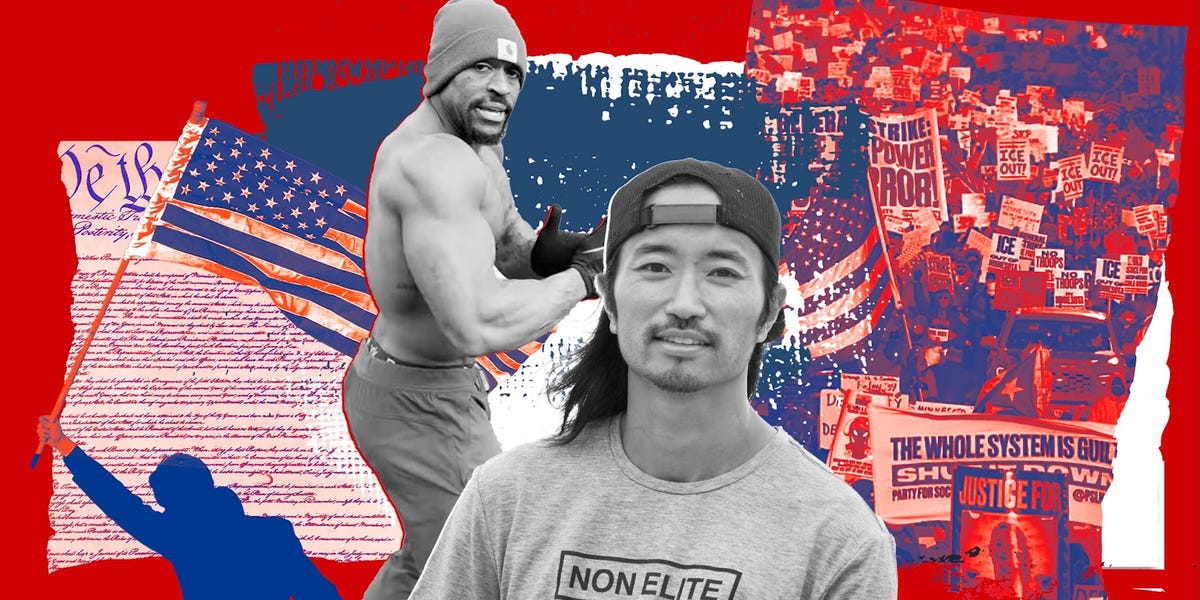
TOM SCHWEERS, A lifestyle and fitness influencer, known for sharing light-hearted content with his 104,000 followers, took a different approach last week. Instead of his regular morning routine, he filmed a serious message in his home gym. “I’m here to share how I feel,” he says to the camera. “I oppose this administration and stand in solidarity with immigrants.” This marked his first venture into political commentary on social media.
In recent weeks, many fitness creators have joined in addressing topical issues. Instagram and TikTok feeds that previously focused solely on gym routines are now filled with messages regarding the tragic death of Alex Pretti, an ICU nurse, who was killed by ICE agents. This shift reflects a significant change as influencers grapple with whether to remain silent in the face of pressing societal issues.
“I felt compelled to post because I care about our rights,” shares Andre Crews, a fitness coach known for lifting routines designed for parents. He adds, “It felt insincere to just focus on fitness while ignoring these issues.”
This trend isn’t limited to one end of the political spectrum. Dr. Jedidiah Ballard, an emergency room physician and a former Army surgeon, voiced his concerns on social media and described Pretti’s death as a “grave injustice.” He believes that more creators, especially those in the middle ground, are being compelled to express their views as circumstances intensify.
Should Fitness Influencers Address Political Issues?
Some influencers advocate for staying away from political discourse. “I won’t be marginalized into a spokesperson role,” argues Michael Smoak, who operates under Higher Up Wellness. He emphasizes that he shares insights rooted in passion and personal conviction, not as a political commentator.
Although Smoak’s video received significant attention, many negative comments followed, indicating a backlash against his stance. Some users commented that while influencers are free to express themselves, they should also recognize that their audience has expectations about how they should use their platforms. Recent statistics show Smoak losing about 100,000 followers after his political video.
Mike Ko, a running enthusiast and YouTuber known as Kofuzi, likens his role to a group run, emphasizing the need to ensure everyone’s voice is heard and valued.
Other creators express uncertainty about addressing political matters. Fitness educator Ben Carpenter acknowledges the challenge of navigating discussions without appearing selective or disingenuous. He notes that many influencers may be actively supporting causes off-screen, even if their online presence doesn’t reflect this.
Carpenter strives to promote education and dialogue in his posts. However, he highlights that meaningful conversations on social media can quickly escalate, overshadowing the original intent.
The Challenges of Taking a Stand
Often, it’s easier for creators to remain silent. “Once you build a substantial following without touching upon political topics, addressing them can be risky,” explains Carpenter. One anonymous creator shared a harrowing experience of receiving threats after voicing her opinions, which led her to refrain from sharing political content.
Speaking up can also have financial implications, especially if it leads to unfollows or negative reactions. However, some, like Crews, believe it’s vital to take a stand. “Staying quiet while profiting from others’ suffering feels wrong,” he asserts.
Ko recognizes the potential financial risks of diverging from standard fitness content. Nevertheless, he prioritizes community and shared passion over personal gain.
Despite the potential for backlash, Schweers is committed to speaking out. He acknowledges the weight of his words before posting, understanding that there could be consequences.
“I don’t want to do this,” admits Ko, “but I feel compelled to move beyond just fitness topics. It’s necessary to address larger issues, even if it means leaving my comfort zone.”
Hannah Singleton is a freelance journalist who writes about fitness, health, wellness, travel, and the environment. Her work has appeared in major publications such as the New York Times, Wall Street Journal, GQ, Vox, Wired, National Geographic, Forbes, and Fast Company. Follow her on Instagram @hannahsingleton.
### Conclusion
Navigating the intersection of fitness and social responsibility presents challenges for many influencers. While some choose to remain apolitical, others are compelled to voice their opinions on pressing societal issues. Regardless of their paths, the conversation itself sparks a broader dialogue about the role of fitness professionals in today’s landscape. As we embark on our personal fitness journeys, it’s essential to remember that our voices—whether through exercise or advocacy—can influence change and inspire those around us.