Understanding e.l.f. Beauty’s Growth Journey: An Interview with CFO Mandy Fields
In the ever-evolving beauty industry, e.l.f. Beauty is making waves with its innovative approach and impressive growth metrics. Following a challenging trading session in November, the company has rebounded with promising financial results. In this article, we delve into insights from CFO Mandy Fields, shedding light on various aspects of the brand’s performance and future plans.
Financial Highlights and Market Response
After a dramatic drop of over 35% in stock value following its earnings report in November, e.l.f. Beauty has seen a shift in momentum. The initial reactions from investors were unexpected for CEO Tarang Amin, who felt the company’s fundamentals warranted a more positive outlook. Following the acquisition of Hailey Bieber’s skincare line, rhode, the enthusiasm was quickly challenged by rising tariffs and a less upbeat sales forecast for the flagship e.l.f. brand.
However, as the fiscal third-quarter results show, the landscape is changing. The company reported net sales growth of 38% and an astounding 79% increase in adjusted EBITDA. The fiscal year 2026 revenue projections have also improved, now anticipated to reach between $1.6 billion and $1.612 billion, an increase from earlier estimates.
Insights from the Chief Financial Officer
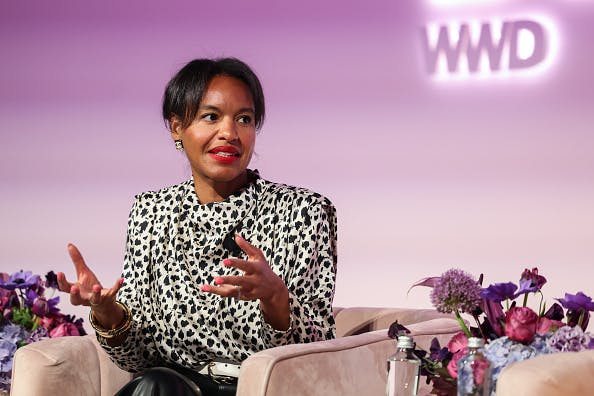
In a recent conversation, Mandy Fields shared her perspectives on the company’s growth trajectory, particularly regarding rhode’s performance and marketing strategies.
On the Performance of rhode:
Fields reported an optimistic update, raising the growth forecast for rhode from 40% to an impressive 70% year-over-year. The brand contributed $128 million in net sales for the quarter, with revised estimates for the fiscal year now projected between $260 and $265 million.
Acquisition Strategy:
When asked about future acquisitions, Fields emphasized the brand’s focus on existing portfolios rather than aggressive expansion. While two significant acquisitions (Naturium and rhode) have occurred in recent years, the priority remains driving growth within their current brands.
Marketing Priorities:
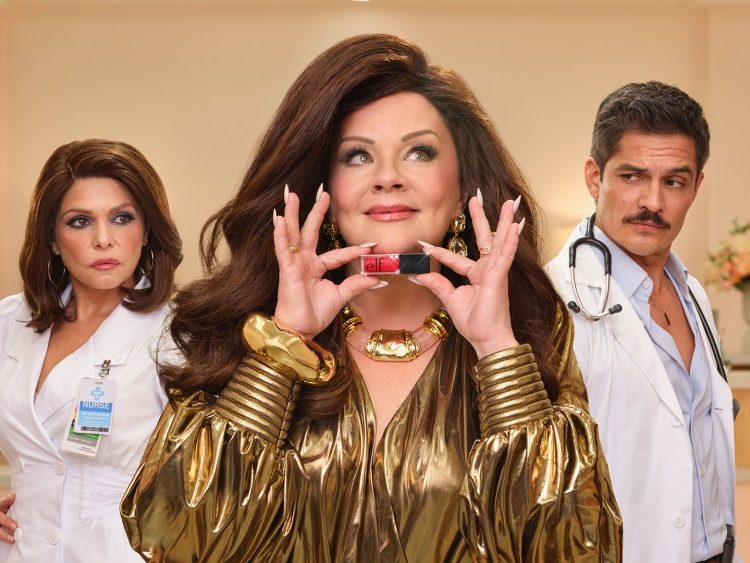
Fields highlighted an interesting strategy: e.l.f.’s commitment to allocate 24-26% of net sales to marketing efforts. They’ve entered collaborations with notable brands and personalities, aiming to resonate with cultural trends, particularly through impactful advertising campaigns.
Maintaining Retail Relationships
One of e.l.f.’s strong suits has been its enduring partnership with Target, where it ranks as the top beauty brand. Despite recent price adjustments, the brand continues to see customer loyalty and sales growth, reinforcing the value proposition e.l.f. offers across various retailers.
International Growth Potential
With approximately 20% of sales generated from international markets, e.l.f. sees significant potential for expansion. Fields pointed out the consumer interest evidenced on social media even before entering new markets. Despite encountering some challenges in the UK and Germany, international sales surged by 44% this quarter.
Future Growth Strategies
Looking forward, Fields outlined three key areas for continued growth:
- Color Cosmetics: The brand aspires to take the top spot in this competitive sector.
- Skin Care: With strategic acquisitions bolstering its portfolio, skin care remains a core focus.
- International Markets: Expanding global footprints represents a major growth avenue.
Conclusion
As e.l.f. Beauty navigates the complexities of the beauty industry, its strategic focus on expanding existing brands, engaging marketing initiatives, and international growth spells promise for the future. For those interested in the beauty market’s dynamics, e.l.f. serves as an exemplary case study of resilience and innovation amidst challenging landscapes. Whether you’re a fan of their products or simply curious about the industry, e.l.f.’s journey is one to watch closely in the coming years.