Jumpstart Your Fitness Journey at the Spring Health + Fitness Festival & Expo
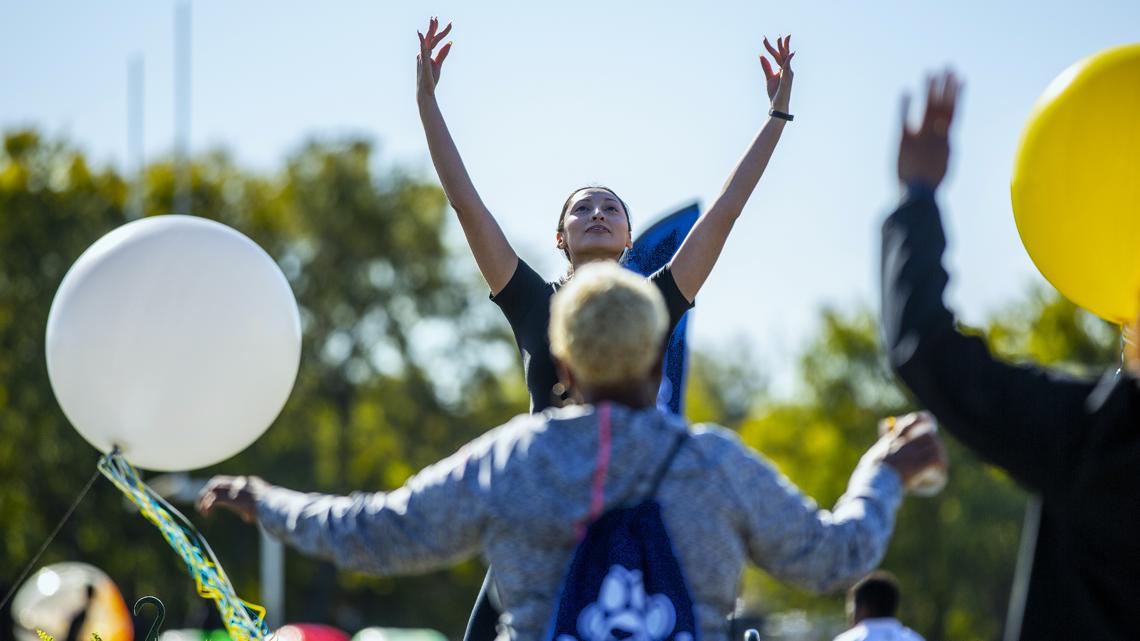
Are you ready to energize your health routine? The upcoming Spring Health + Fitness Festival & Expo in Dallas offers a fantastic opportunity to explore various fitness activities, cooking demonstrations, and health services—all for free! Whether you’re a fitness novice or a seasoned athlete, there’s something for everyone at this event.
Join us on Saturday, April 11, from 10 a.m. to 2 p.m. at the Juanita J. Craft Recreation Center located at 4500 Spring Ave., Dallas, TX. Admission is completely free, making it the perfect chance to engage with health and wellness experts in your community.
Event Highlights
Activities and Experiences
- Fitness Fun: Participate in engaging activities such as rock climbing, tennis, and pickleball clinics. Plus, enjoy heart-pumping fitness challenges designed for all ages.
- Cooking Demonstrations: Learn creative and healthy cooking techniques from live demonstrations that will inspire you to whip up nutritious meals at home.
- Health Screenings: Take advantage of complimentary health screenings and immunizations to stay informed about your wellness metrics.
Engage and Connect
This festival isn’t just about activities—it’s a community event! You’ll have the chance to mingle with local vendors and experts. Don’t miss the “Walk with a Doc” session, where you can ask a medical professional any health-related questions you may have.
Featured Guests
Be sure to visit the WFAA Family First area, where you can meet local personalities such as WFAA’s Rebecca Lopez and meteorologist Greg Fields. This is a great opportunity to connect with others while celebrating health and fitness.
Conclusion
The Spring Health + Fitness Festival & Expo promises a day of fun, learning, and community bonding. Whether you’re looking to start a new fitness regimen, explore healthy recipes, or simply enjoy a day out with family, this event has it all. Mark your calendar, gather your friends and family, and take the first step toward a healthier lifestyle!
For more information on the event, visit the Spring Health + Fitness Festival & Expo website. We can’t wait to see you there!