Understanding Beauty Retail: A Comparison of Ulta Beauty and Sephora
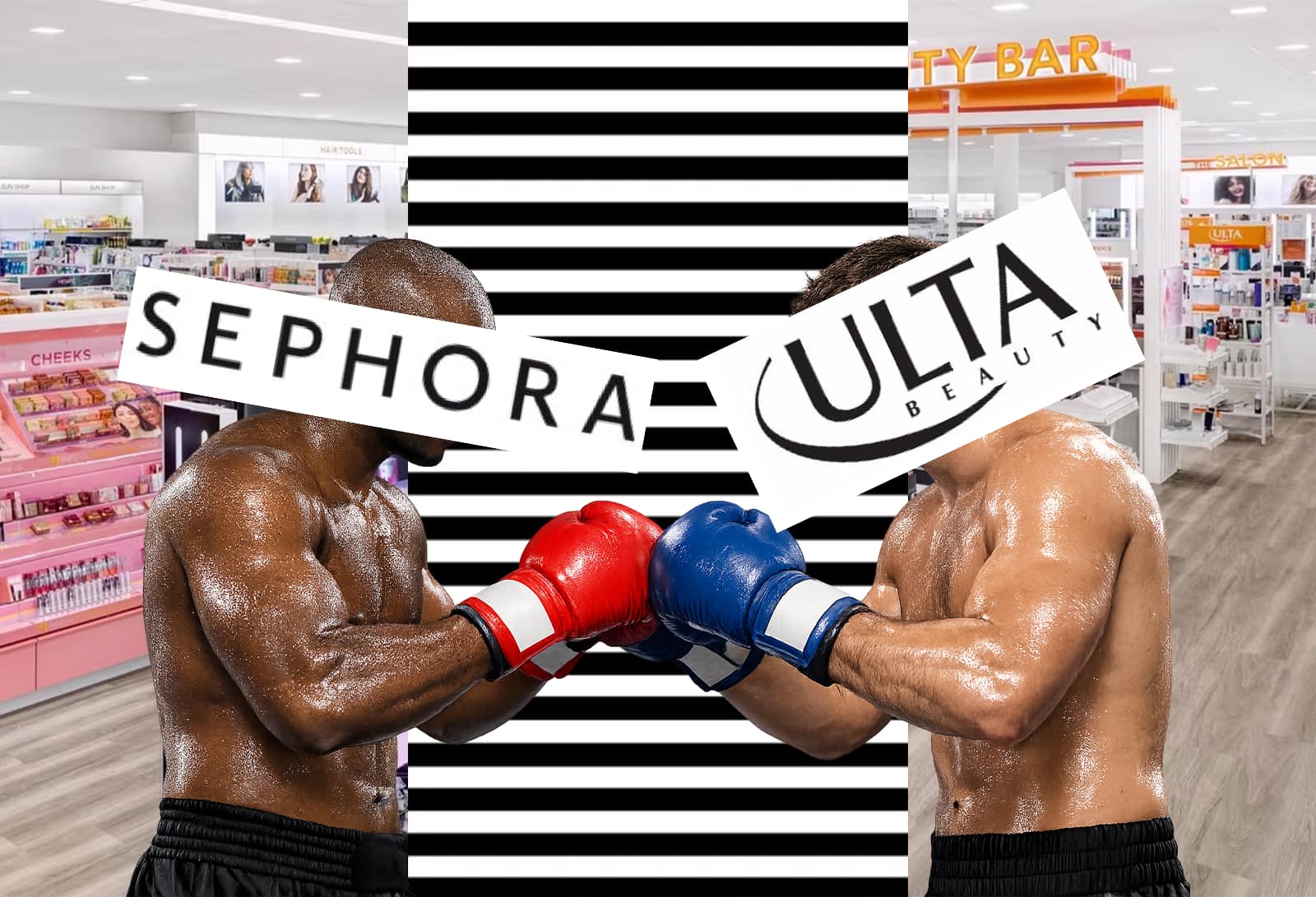
As the beauty retail landscape continues to diversify, two giants—Ulta Beauty and Sephora—stand out as key players shaping consumer experiences. Each brand has its own unique approach, catering to different sections of the market. This article explores their distinctive strategies, consumer engagement, and product offerings, providing insights for both consumers and beauty brands.
Key Insights:
- Prestige vs. Accessibility: Sephora focuses on high-end beauty products, while Ulta offers a mix of mass and prestige brands.
- Brand Narrative vs. Clinical Evidence: Sephora excels at ingredient storytelling, while Ulta emphasizes clinical efficacy in its offerings.
- Advertising Approaches: Paid media strategies contribute to Ulta’s growth, whereas Sephora focuses on reinforcing existing brand leaders.
The Retail Landscape: Ulta vs. Sephora
Mass Reach vs. Prestige Density
At a broad level, Ulta Beauty and Sephora represent different market philosophies.
Sephora thrives in the realm of prestige categories—fragrance, skincare, and haircare—where brand power and higher price points dominate. Its leading brands, such as Sol de Janeiro and Kérastase, appeal to consumers who value curated discovery and brand narratives. For instance, The Ordinary holds a commanding 16.5% market share in skincare.
In contrast, Ulta Beauty adopts a more inclusive approach, showcasing a variety of brands that span both high-end and mass-market segments. For example, Clinique and CeraVe are well-represented, with top skincare brands typically commanding shares of 4%-10%. This broad assortment encourages regular replenishment and accessibility.
Ultimately, Sephora concentrates demand, while Ulta distributes it.
Skincare: Ingredient Culture vs. Clinical Authority
In skincare, the differences between the two retailers become even clearer. Sephora’s top-selling brands, including The Ordinary and Glow Recipe, emphasize innovative, ingredient-focused products. Their appeal lies in trend-driven formulations, with hero products priced between $6 and $24.
By comparison, Ulta’s skincare offerings prioritize clinical credibility, featuring dermatologist-backed brands like Clinique and La Roche-Posay. Together, these brands account for over 21% of Ulta’s skincare market share, demonstrating a preference for reliable, daily-use products.
Haircare: Ritualized Prestige vs. Professional Utility
The haircare category also reflects differing consumer intents. Sephora features premium brands like Kérastase and Olaplex, highlighting luxury haircare experiences priced upwards of $25. Meanwhile, Ulta’s offerings lean toward professional-grade products from brands such as Redken and Biolage, focusing on performance and salon-quality results.
Makeup: Cultural Momentum vs. Everyday Velocity
In makeup, Sephora leans into culturally relevant brands like Rare Beauty and Charlotte Tilbury, which are designed to resonate with contemporary trends. In contrast, Ulta’s makeup section caters to price-conscious consumers, featuring brands like Tarte and e.l.f. Cosmetics.
Fragrance: Mood vs. Maison
Fragrance is one area where both retailers overlap in hero brands but with different emphases. Sephora showcases brands like Sol de Janeiro, appealing to mood-driven consumers, while Ulta highlights traditional designer labels such as YSL and Chanel.
Media Strategies: Scale vs. Selectivity
The approach to advertising also sets the two stores apart. Ulta Beauty uses a broader range of sponsorships, increasing exposure and sales, while Sephora strategically focuses on high-performing prestige brands, reinforcing their existing market status.
Conclusion: Adapting to a Distinct Market
As we look towards 2026, brands must recognize that Ulta Beauty and Sephora are not just interchangeable channels but distinctly different ecosystems. Brands aiming for growth should align their strategies with the unique characteristics of each retailer. Understanding these differences will help brands maximize their potential and deliver value to consumers by leveraging the strengths of each platform.
Whether consumers prefer curated luxury or accessible everyday beauty, both Ulta and Sephora offer diverse product ranges that cater to various needs and preferences in the beauty market.