Choosing the Right Fitness Tracker: A Practical Guide
In today’s fitness-driven world, there’s a plethora of devices designed to help you keep track of your activity levels, workouts, and overall health. But with so many options available, selecting the right fitness tracker can feel overwhelming. This guide aims to simplify your decision-making process by highlighting key factors to consider before making a purchase.
1. Design Preference
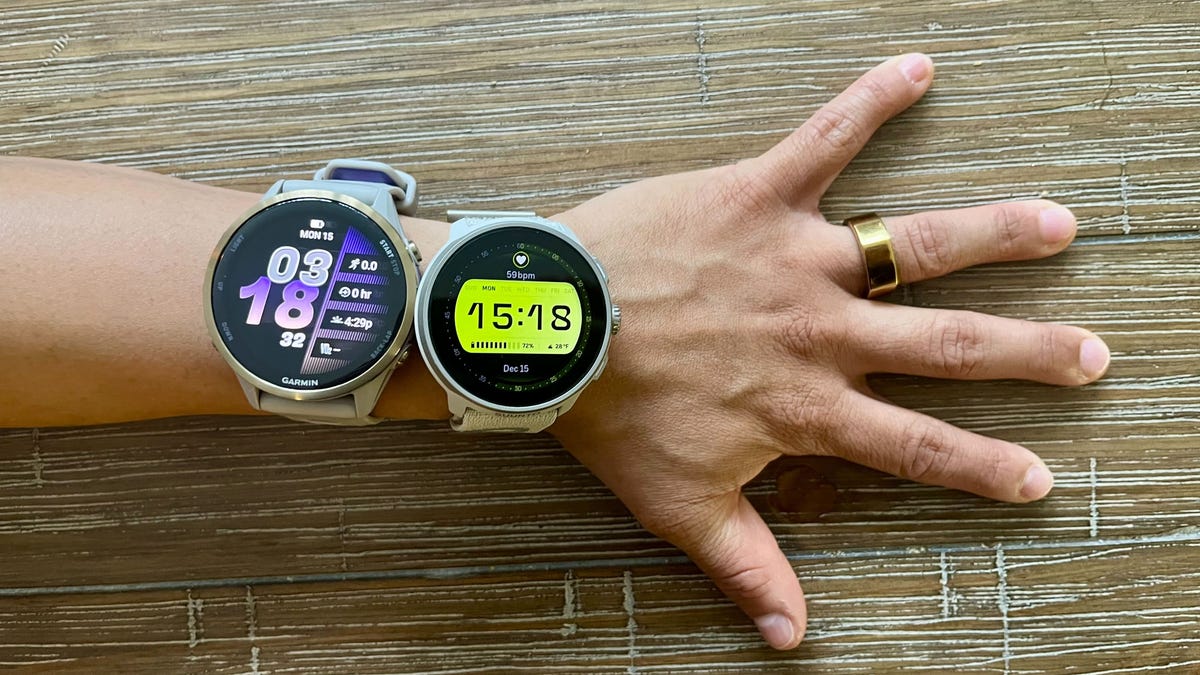
When it comes to wearables, the design can significantly affect your experience. Do you prefer a discreet ring that fits seamlessly into your daily style, or a wrist-based smartwatch that might offer more features? Consider how comfortable you are with the device style and whether you mind not having a screen for quick glances.
2. Device Compatibility
If you’re tethered to a specific smartphone ecosystem, compatibility is crucial. Apple users should look for fitness trackers that seamlessly integrate with iOS, while Android users should ensure compatibility with their devices.
3. Independent Storage
If you dislike relying on your phone during workouts, seek out trackers with built-in storage. This feature allows you to record data without needing your smartphone, providing freedom while you exercise.
4. Feature Set
Different activities require different metrics. Think about which health metrics matter most to you—be it heart rate, sleep tracking, or other custom options. If you desire more than standard fitness tracking, consider a smartwatch like the Pixel Watch 4 or Apple Watch SE 3, which typically come with enriched capabilities.
5. Wi-Fi or Bluetooth Connectivity
For those who enjoy leaving their phone behind while working out but still require internet access, a device with Wi-Fi capability can be advantageous. Otherwise, standard Bluetooth connectivity is usually sufficient for most users.
6. GPS Functionality
If you’re a runner, hiker, or outdoor enthusiast, built-in GPS is essential to track your distance and pace accurately without needing your phone. Look for fitness trackers that offer this feature for a more comprehensive experience.
7. Screen Size
Once you’ve decided to go for a fitness tracker with a display, choose a size that suits your preferences. Smaller screens can be less obtrusive, making them ideal for those who prefer a minimalist look.
8. Battery Life
Consider how often you’re willing to recharge your device. If frequent charging frustrates you, opt for a fitness tracker known for its long battery life, especially one that aligns with your workout frequency.
9. Water Resistance
For fitness enthusiasts who swim or enjoy water sports, a water-resistant tracker is a must. Ensure the tracker can handle the depths you plan to swim, giving you peace of mind during aquatic activities.
10. Subscription Costs
Many fitness trackers come with additional features that require a subscription for full access. Be sure to factor in the cost of these subscriptions when budgeting for your tracker, as they can add up over time.
Conclusion
Selecting the right fitness tracker doesn’t have to be daunting. By considering your personal preferences, activity type, and budget, you can find a device that enhances your fitness journey. Before making your decision, take the time to evaluate the features that matter most to you, and choose a tracker that suits your lifestyle. Happy tracking!