Water Crisis in South Africa: A Call for Action
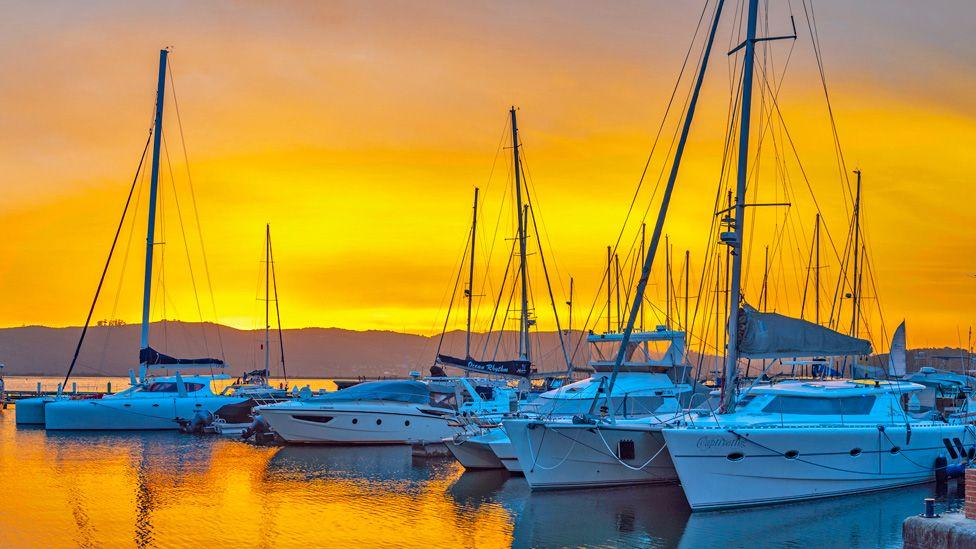
In the picturesque town of Knysna, known for its stunning turquoise waters and sandy beaches, residents face a dire situation as concerns mount over a potential water shortage. This crisis, often referred to as “day zero,” has prompted local authorities to declare a state of disaster. With a community of approximately 100,000 nestled along South Africa’s famous Garden Route, the threat of water scarcity is a pressing issue that requires immediate attention.
The Roots of the Crisis
Knysna’s water system is under significant stress due to a combination of aging infrastructure and evolving climate conditions. As startling as it may seem, nearly 55% of the town’s drinkable water is lost due to leaking pipes, exacerbating the already critical situation. Adding to the challenge, the region is experiencing a severe drought that has drastically reduced water levels in the main storage dam.
During a recent visit to the area, it was noted that Akkerkloof Dam had only 20 days’ worth of water reserves left. While local authorities are working to impose water restrictions and secure emergency funding, the timeline for when “day zero” might arrive remains uncertain.
Community Responses and Innovative Solutions
The immediate effects of the water crisis have been felt acutely by vulnerable populations, such as residents of an elderly care center that recently endured a 10-day water outage due to municipal plant failures. The owner, Franco de Grandis, invested approximately 250,000 South African rand in backup water systems for his facility to prevent a similar situation from occurring again. This includes the installation of large water storage tanks and pressure pumps.
Non-governmental organizations like Gift of the Givers have also stepped in, delivering thousands of liters of water daily to residents unable to afford their own backup solutions. The gratitude expressed by the community underscores the dire need for sustainable water access, as many have begun to accept water rationing as part of their daily lives.
Significance of Conservation Efforts
Water rationing is now a reality in Knysna. Residents are limited to 50 liters per person per day, starkly contrasting the average daily water consumption of 142 liters per person in the UK. This current state of awareness around water usage aims to educate the public on the importance of conservation, rather than inducing panic through the term “day zero.”
Tourism is another area affected by the crisis, leading local businesses to advocate for water preservation while ensuring visitors have a pleasant experience. The local tourism council emphasizes the need to promote water respect rather than fear.
Looking Ahead: Solutions in Progress
Local authorities, now with an emergency cash injection from the national government, have plans to address the crisis effectively. These include rehabilitating existing boreholes, enhancing the desalination plant, and exploring options for water recycling and new dam construction. The mayor highlights ongoing assessments by hydrologists to develop long-term strategies for water sustainability.
However, challenges remain as some boreholes dug in the past have fallen into disrepair, due to a lack of maintenance over the years leading to infrastructure neglect. Restrictions implemented earlier this year, such as reducing water pressure and prohibiting certain usage like garden watering and swimming pool filling, reflect the urgent need for communities to adapt to their new water realities.
Conclusion: A Collective Responsibility
The water crisis in Knysna is a reminder of the importance of finding innovative solutions and adopting sustainable practices to ensure communities have access to this vital resource. Each individual has a role to play in conserving water, and public awareness campaigns can contribute significantly to changing behaviors around usage. As the situation unfolds, it serves as a sobering reminder that proactive measures, community solidarity, and a commitment to sustainable practices are essential in safeguarding water supplies for future generations.
By joining in collective efforts to address these challenges, we can ensure that every community has the water security it deserves.