Introduction
In the world of fitness, transparency and trust are essential, particularly when it comes to investments and business practices. Recently, the Austin-based fitness company F45 Training has found itself in hot water due to allegations regarding its initial public offering (IPO). This situation serves as a reminder for both investors and fitness enthusiasts about the importance of due diligence in the fitness industry.
F45 Training: A Brief Overview
Founded in 2013 in Sydney, Australia, F45 Training Holdings Inc. has grown into a prominent franchiser of fitness studios offering 45-minute high-intensity workouts. With nearly 900 locations in the United States, including ten in Austin, seven in San Antonio, and approximately 20 in the Houston area, the company has made a significant mark in the fitness landscape.
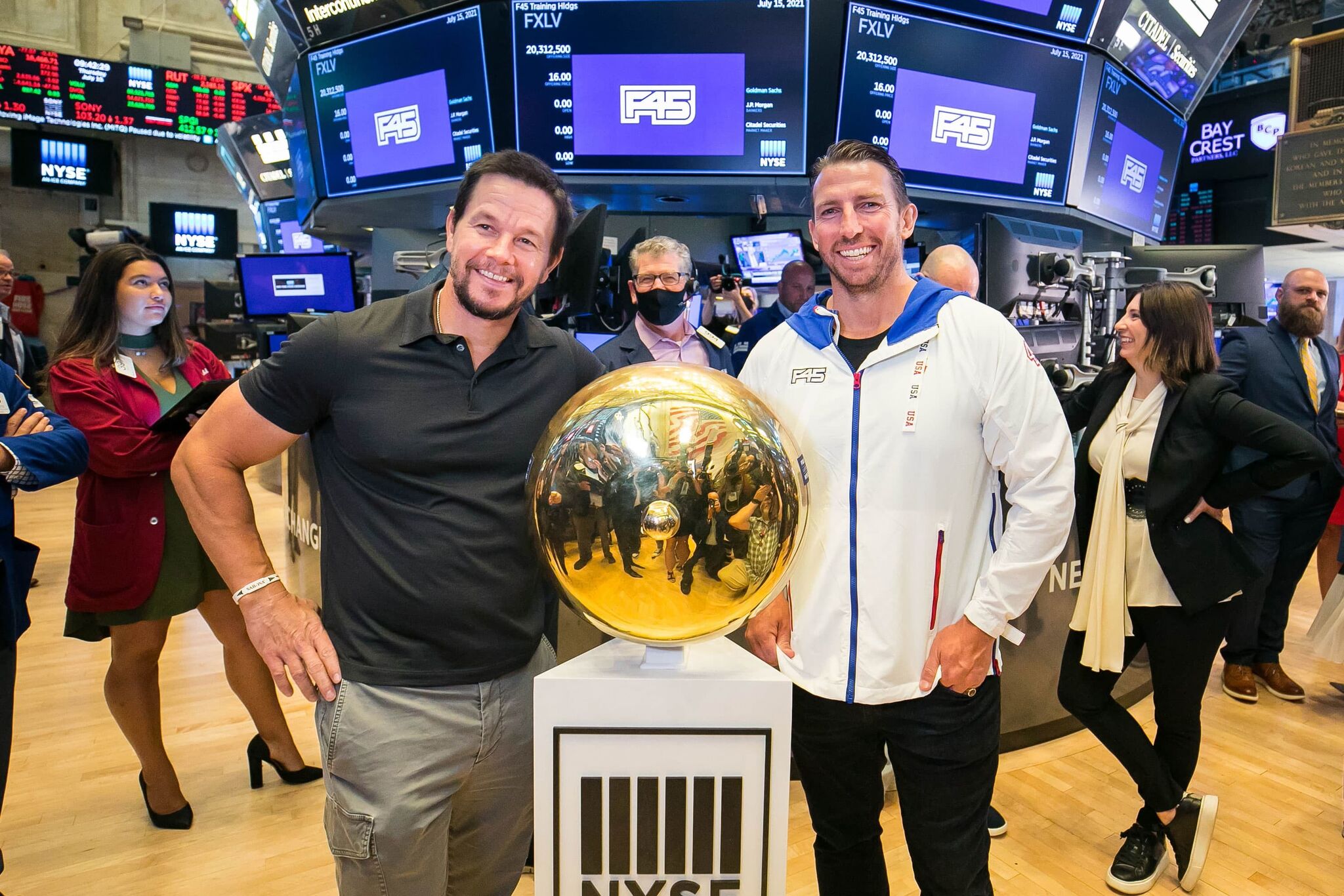
In July 2021, F45 went public, raising over $325 million and achieving a valuation exceeding $1 billion. However, this successful launch was soon overshadowed by allegations from shareholders concerning misleading practices.
Allegations and Lawsuit
The trouble began when investor Kenzie Goer filed a lawsuit in December 2022, roughly 18 months after the IPO. The lawsuit claims that F45, along with its board of directors—including actor Mark Wahlberg—exaggerated the company’s growth potential in SEC filings.
While F45 assured potential investors that capital would grow with each new franchise, they were allegedly offering special financing terms to certain multi-franchise operators. This practice led to reduced revenue compared to what was promised to investors.
The lawsuit argues that “these practices were not sustainable at the time of the IPO,” and as the situation escalated, F45 experienced a significant decline in revenue and studio openings, with rates dropping by as much as 60% from forecasts.
Fallout and Resolution
The consequences were severe: significant layoffs ensued, CEO resignation occurred in July 2022, and the company’s stock price took a nosedive, leading to its delisting from the New York Stock Exchange and trading over the counter within just two years of the IPO.
In a surprising turn of events, major investor Kennedy Lewis Investment Management LP took F45 private for $385 million, showcasing a stark decline in the company’s market value.
Conclusion
In light of these developments, the parties involved in the lawsuit are seeking preliminary approval for a settlement by February 13. Though specifics of the settlement are not yet available, this entire situation underscores the importance of transparency and ethical practices in the fitness industry. As fitness enthusiasts and investors, staying informed and vigilant can safeguard you from potential pitfalls. Always do your research and hold companies accountable for their claims—your fitness journey deserves nothing less.