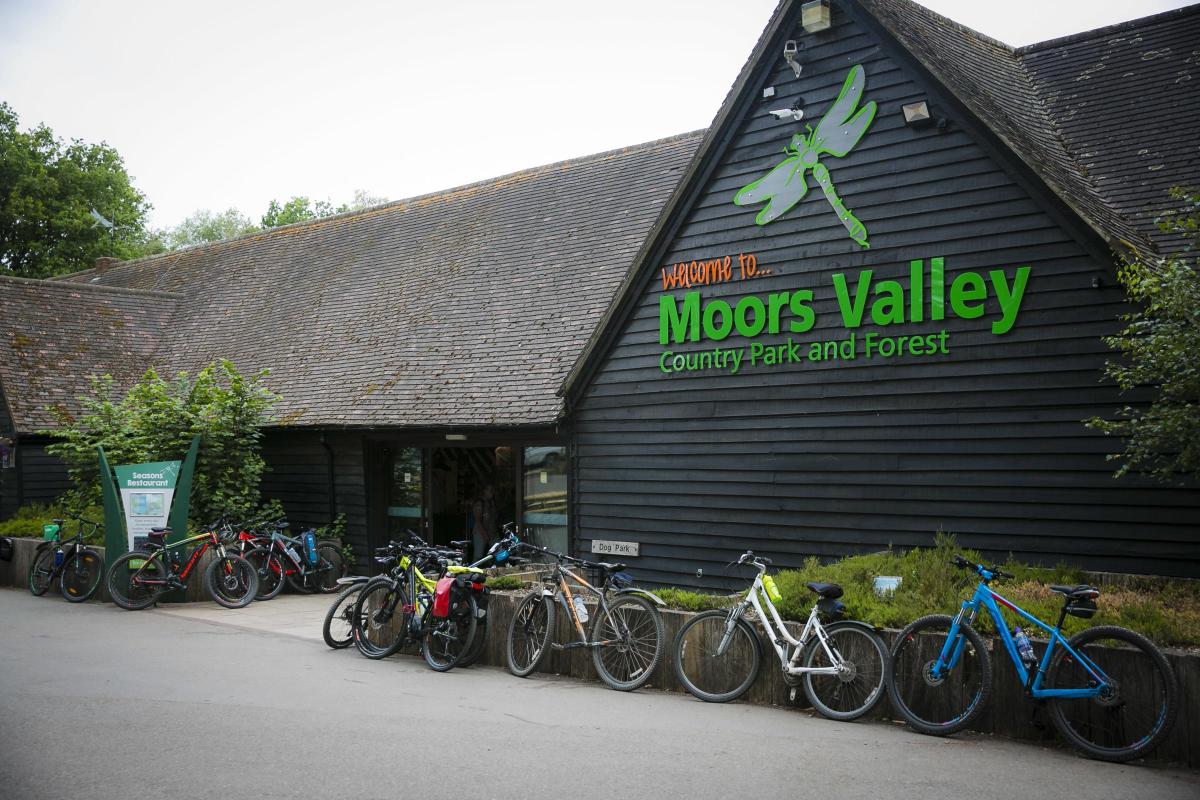
Discovering Adventure: The Room on the Broom Trail at Moors Valley
In celebration of 25 years of a beloved children’s tale, Moors Valley has introduced an enchanting experience with the new Room on the Broom Trail. This interactive journey brings Julia Donaldson’s classic story to life, inviting families to explore the great outdoors while engaging in fun activities.
The Room on the Broom Trail is designed to captivate the imaginations of young adventurers. It’s not just a walk; it’s an opportunity for children to learn about nature through engaging and informative woodland activities. By incorporating elements from the story, the trail encourages kids to step outside and connect with the environment around them.
Natalie Crabb, the recreation manager at Forestry England, expressed her enthusiasm: “We’re thrilled to bring the magic of Room on the Broom to Moors Valley as it’s our rangers’ personal favorite. This trail is a wonderful way for families to engage with nature, enjoy a cherished story, and create unforgettable memories together.” With various fun activities sprinkled throughout, the trail promises an adventure filled with discoveries and delightful surprises.
As children follow the trail, they embark on a quest to help the Witch reclaim her lost hat, bow, and wand. Along the way, they collect magical ingredients to complete a spell, with each stop offering unique activities infused with a dash of woodland wonder.
For those looking to enhance their adventure, a £4 trail pack is available for purchase at the Visitor Centre. This pack is filled with delightful items, including a lanyard, spell cards, stickers, a pencil, and a pop-out wand craft, making the experience even more engaging.
The Room on the Broom trail is an exciting collaboration between Forestry England and Magic Light Pictures, further enriching the landscape of family-friendly activities available in the region.
Conclusion: Embrace the Outdoors
The Room on the Broom Trail is not just about storytelling; it’s about fostering a connection with nature and encouraging physical activity. If you’re looking for a fun and educational way to spend time with your family, this trail offers a unique blend of adventure and learning. So gather your loved ones, step into nature, and make lasting memories on this delightful journey!