K-Beauty Takes Center Stage in Britain: A Growing Trend

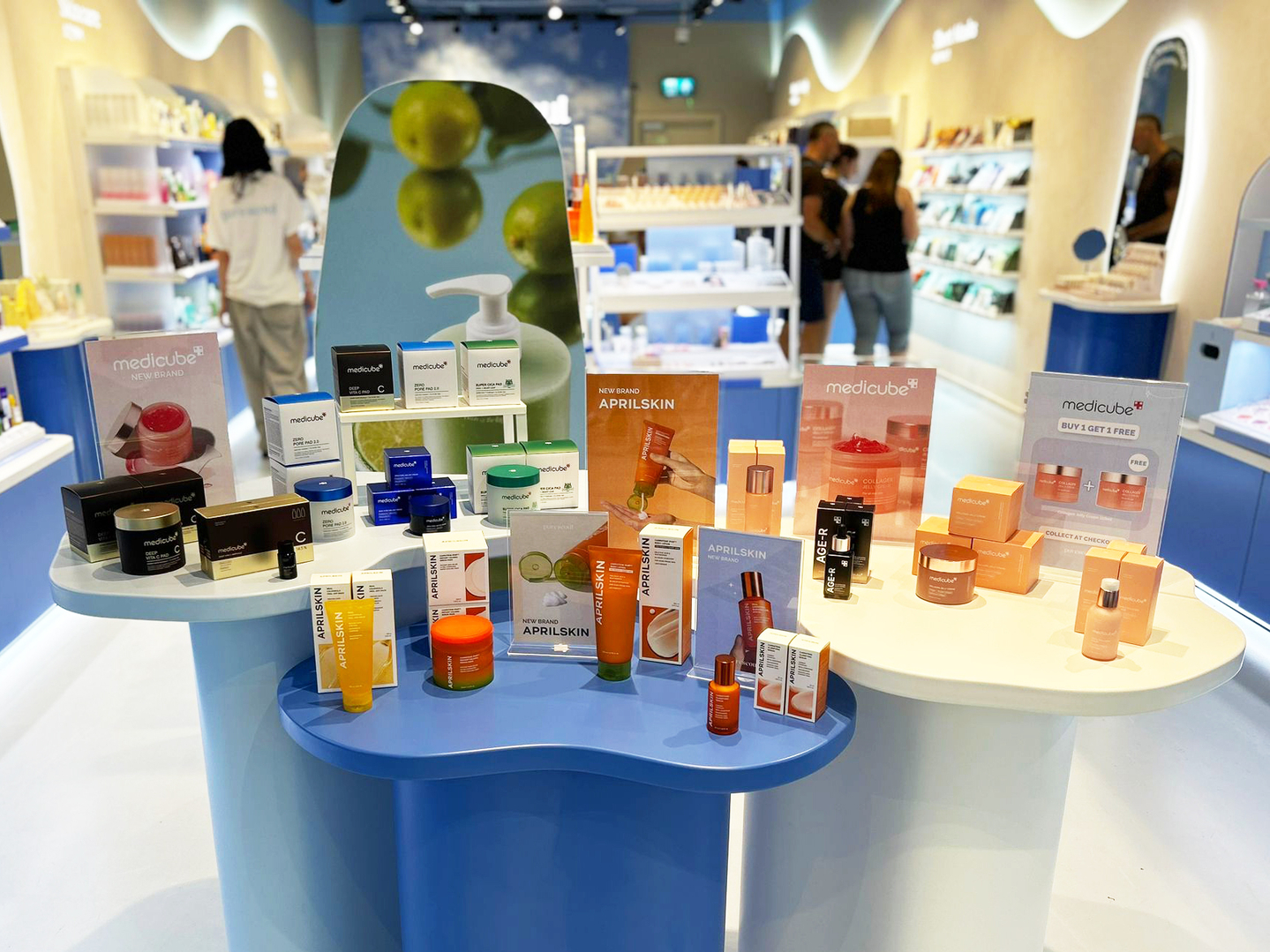
Medicube products are sold at K-beauty specialty retailer Pure Seoul in Britain. [APR]
As the world of beauty continually evolves, Britain is quickly becoming an important hub for Korean beauty (K-beauty) brands. These brands are seizing opportunities in both online and offline retail spaces, owing to Britain’s cultural significance and its access to the European market.
Amorepacific’s luxury skincare line, Sulwhasoo, has recently made its debut on the popular British online beauty platform, Cult Beauty, and is exploring further offline distribution options. An Amorepacific representative stated, “We aim to enhance our presence in the European market, with Britain serving as a strategic launchpad.”
Medicube, another brand under APR, has also broadened its reach. The brand is now featured in Pure Seoul, the largest Korean beauty retailer in Britain, as well as in popular drugstore chain Boots. Additionally, they launched on platforms like Amazon UK and TikTok Shop UK last October.
“Britain offers a robust infrastructure for online and offline sales, positioning it as a pivotal base for our European expansion,” the APR representative added.
Another notable player is Gudai Global’s Beauty of Joseon, which is now available in around 700 Boots locations throughout Britain and is preparing to enter Space NK, another beauty retailer. Interestingly, Beauty of Joseon ranked among the top five brands in sales last month among over 200 skincare brands introduced at Boots.
Meanwhile, Shinsegae International’s wellness brand Amuse has entered Superdrug, a beauty and health retailer, and LF’s vegan brand ATHE is currently focused on selling hand creams through Pure Seoul while preparing to secure European cosmetics certification before launching its skincare line later this year.

Amuse products line the shelves at K-beauty specialty retailer Pure Seoul in Britain. [AMUSE]
The entry barriers in Britain are relatively lower compared to traditional beauty leaders like France, while still maintaining a well-established premium market. “Achieving recognition in Britain significantly enhances brand value and facilitates expansions into key markets such as France and Germany,” noted a beauty industry source. This mindset has contributed to a rapid expansion of K-beauty brands in Britain.
Moreover, there is a notable rise in British consumers favoring natural ingredients like ginseng and green tea. This shift, combined with robust demand for anti-aging products, creates favorable conditions for K-beauty. The role of social media cannot be overlooked either; it has played a crucial part in popularizing these trends and boosting interest.
As British retailers adapt, more establishments—like Pure Seoul—are emerging, offering dedicated sections for K-beauty products, further accommodating the growing demand.
According to the Korea Customs Service, cosmetics exports to Britain have surged more than threefold from 2021 to last year, rising from $56.26 million to $188.22 million. This rapid growth has even drawn attention from major media outlets like the BBC, which has extensively covered K-beauty’s rising popularity.
This article was originally written in Korean and translated by a bilingual reporter, later edited by a native English-speaking editor. All AI-assisted translations are reviewed by our editorial team.
BY LIM SUN-YOUNG [[email protected]]
Conclusion
As K-beauty brands continue to flourish in Britain, their unique offerings of natural ingredients and innovative products are meeting the rising demand among consumers. With this trend showing no signs of slowing down, it’s an exciting time for beauty enthusiasts and industry professionals alike. Keep an eye on this dynamic landscape as it continues to evolve and inspire new beauty routines!