The United States has dramatically restructured its food pyramid, signaling a shift that extends well beyond grocery aisles. The revamped dietary guidelines will influence government nutrition programs across various sectors, including school cafeterias, military facilities, and hospital food services.
In January, US Health Secretary Robert F. Kennedy Jr. unveiled the new guidelines, which are visually represented as an inverted pyramid. This design places steak, chicken, cheese, and dairy at the wide base that once featured grains.
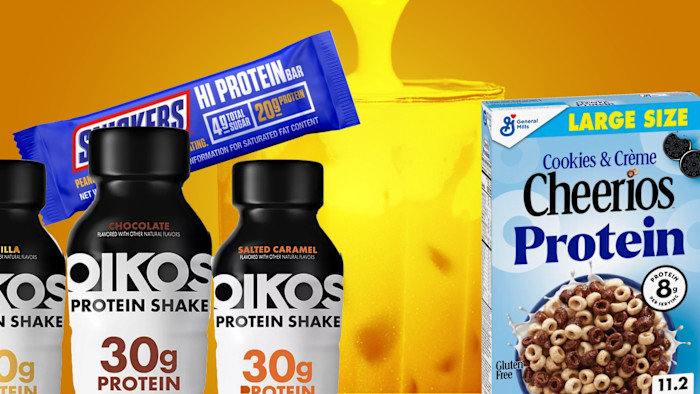
The recommended daily protein intake has escalated from 0.8 grams to between 1.2 and 1.6 grams per kilogram of body weight. This new recommendation is nearly double that of German guidelines and the World Health Organization (WHO).
The restructured pyramid aims to address widespread health issues like obesity and diabetes by imposing stricter limits on sugar, soft drinks, and highly processed foods. It also encourages Americans to utilize fresh ingredients more in their cooking.
Support for this change is backed by extensive documentation citing studies on protein needs and the detrimental effects of ultra-processed foods.
Some traditional elements remain intact, particularly the emphasis on consuming fruits and vegetables.
While advocating for reduced sugar and processed food intake appears commendable, the more significant deviation lies in the endorsement of red meat, butter, full-fat cheese, and beef tallow. This shift toward a “real food” diet raises concerns regarding a potential increase in cardiovascular disease, specific cancers (notably colon cancer), metabolic disorders like type 2 diabetes, and overall long-term mortality rates.
Protein Offensive
In American school cafeterias and various public institutions, the anticipated decline in highly processed foods is generally viewed as a positive development.
Kennedy argues against the so-called “war on protein,” presenting the changes as a movement toward “real food.” However, experts caution that simply reducing highly processed foods may be a superficial fix.
Many institutions may struggle to implement the new guidelines due to budget constraints, staffing shortages, and supply chain complications. Producing genuinely fresh meals free from frozen and convenience foods at such scale may not be realistic.
Researchers Warn Against Excess Fat
Cardiologists have expressed concerns that the new pyramid could lead to higher consumption of saturated fats and salt, both significant risk factors for cardiovascular diseases.
Moreover, the new pyramid presents logical inconsistencies. For instance, one marbled steak and several dairy products can surpass the limits on saturated fats outlined in the US guidelines. Nutritional science organizations critique the guidelines for emphasizing meat as the primary protein source despite claims for variety.
While the WHO has often faced criticism from the Trump administration, it has largely remained silent on this issue. Most critiques have emerged from independent nutritionists and professional associations concerned about increased saturated fat intake, industry influences, and environmental ramifications.
Scientific Independence in Question
The German Nutrition Society (DGE) has raised doubts about the scientific foundation of the US guidelines, noting that the committee responsible for these changes has handled its deliberations largely behind closed doors, limiting transparent consultations.
The DGE references studies that indicate no additional health benefits from consistently increasing protein intake beyond the previously recommended 0.8 grams per kilogram of body weight per day. Furthermore, it suggests that the American model fails to account for sustainability, meaning the environmental and climate impact of dietary choices is largely neglected.
According to the DGE, the new US pyramid seems to primarily serve the interests of the agricultural lobby and animal-product producers.
Critics argue that as political efforts shift to courting votes and appealing to meat enthusiasts, the focus strays further from providing health guidance grounded in trustworthy data.
This article was originally published in German.