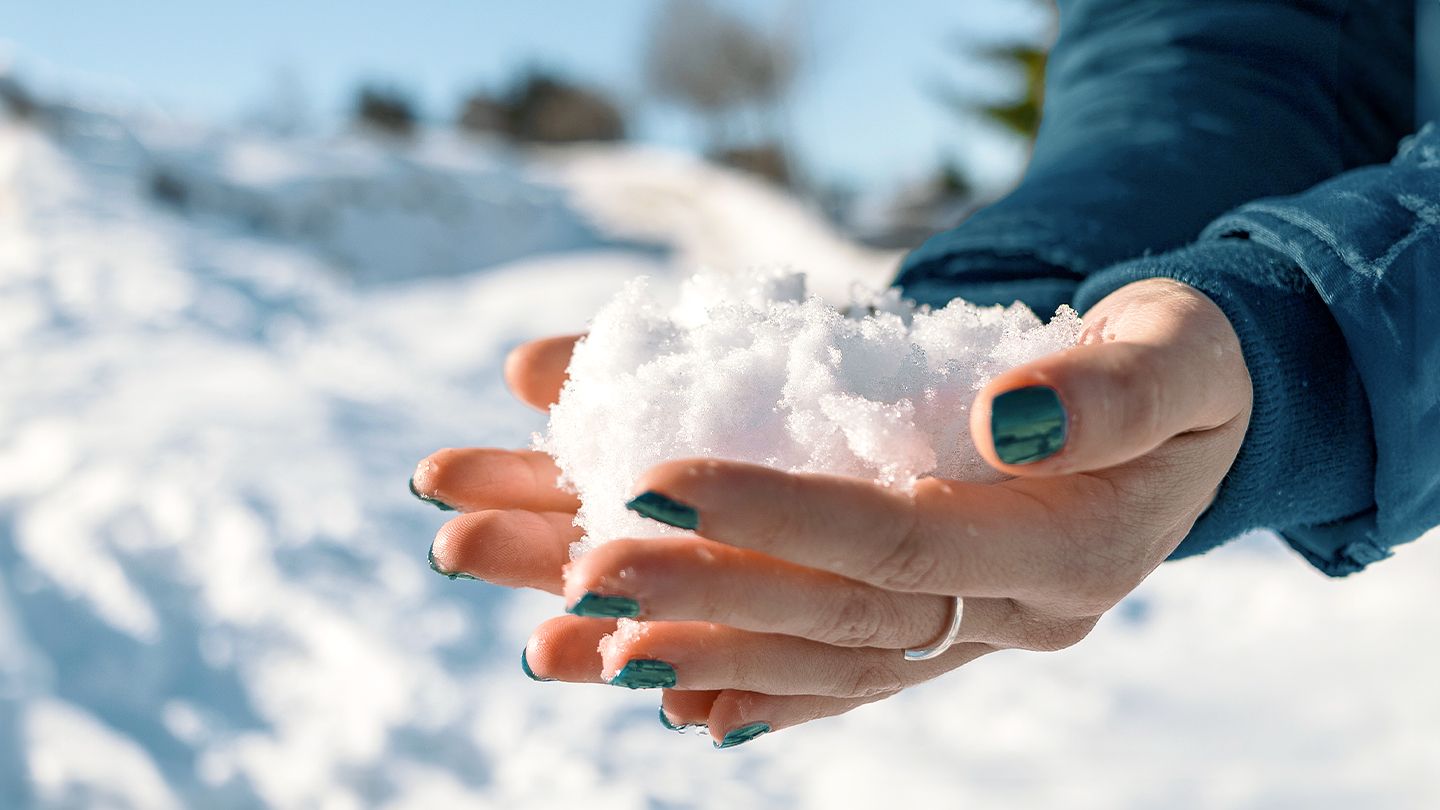
Experiencing the fun of catching snowflakes on your tongue is a cherished memory for many. Recently, platforms like TikTok have reignited interest in using snow creatively, from crafting snow cones to making homemade snow cream. But the question arises: Is it safe to eat snow?
“In small amounts and under the right conditions, it can be safe,” explains Dr. Sarah Crockett, an emergency medicine physician at Dartmouth Health in Lebanon, New Hampshire.
Before you grab your ice cream scoop, there are important factors to consider.
Snow Looks Beautiful, But It’s Not Sterile
Snowflakes form high in the atmosphere, often accumulating around tiny airborne particles as they descend. This means that by the time they touch the ground, snowflakes can trap a variety of materials, including dust, soil, soot from vehicle emissions, pollen, bacteria, fungal spores, trace metals, and even microscopic plastic particles, according to Dr. Crockett. “Snow may be enchanting, but it is far from sterile,” she cautions.
Once snow settles on the ground, additional risks arise: Even if you don’t see contaminants like animal waste or chemical runoff, they might still be present. In particular, animal feces can pose a risk of E. coli and other harmful bacteria.
This doesn’t mean that every snow sample is a health hazard. However, snow should be treated like untreated environmental water that hasn’t undergone filtration or disinfection.
As a precaution, consider whether you would drink from a puddle of rainwater in the same area, suggests Dr. Sheldon Campbell, a professor of laboratory medicine at Yale School of Medicine in New Haven, Connecticut. “If your answer is ‘Ew, no,’ you should feel the same way about snow,” he adds.
Is It Safe to Eat Snow Outside Urban Areas?
In general, areas with higher pollution levels will likely have greater concentrations of contaminants within the snowflakes themselves, according to Dr. Campbell. Urban regions and locales with heavy traffic or industrial activity usually show poorer air quality than rural settings, which can affect the type of airborne particles that snow collects as it falls.
However, the real risks emerge once the snow comes into contact with the ground. Snow can mix with dirt, road salt, fertilizers, oil, animal feces, and other potentially harmful substances—even if it maintains a white appearance.
When Is It Safe to Consume Snow—and When Should You Avoid It?
If you must indulge in tasting snow, be selective and aim for pristine conditions.
“Focus on clean, untouched, white snow, ideally from the top layer,” Dr. Crockett advises. Avoid snow that has been disturbed, whether trodden on or piled high after shoveling or plowing.
Color is an important indicator as well. Steer clear of yellow snow, which often signals animal urination. Additionally, any snow that appears red, green, orange, gray, or black could indicate pollution, algae growth, or chemical contamination. “If the snow isn’t white, don’t take a bite,” Dr. Crockett warns.
Timing is another factor. Freshly fallen snow, ideally within the first hour or two, is less likely to have mixed with undesirable surface contaminants, according to Dr. Campbell. To minimize ground contamination, you might even place a clean bowl outdoors to catch falling snow.
How Much Snow Is Considered Safe to Eat?
While snow is calorie-free like water, it is still wise to consume it in moderation, as stated by Julie Zumpano, a registered dietitian at Cleveland Clinic. Excessive consumption of snow can lower your body temperature, and in freezing conditions, this can increase the risk of hypothermia, warns Dr. Crockett.
Who Should Refrain from Eating Snow?
Individuals with compromised immune systems should be particularly cautious, as snow can harbor bacteria or fungi that might be harmless to most, but pose risks to the immunocompromised, according to Zumpano.
Is It Safe for Pets to Consume Snow?
Similar risks exist for pets when it comes to snow, particularly for dogs that may consume snow from areas treated with salt or chemicals.
“The same guidelines apply to pets: Avoid discolored and contaminated snow—especially if you suspect ice melt or road salt has been used,” Dr. Crockett advises. A few bites of clean, undisturbed snow are likely safe, she notes.
Eating a Little Snow Can Be Good for Your Mental Health
For healthy individuals, consuming a small amount of fresh, undisturbed snow isn’t generally harmful, according to Dr. Campbell. “There are many riskier activities, like navigating heavy traffic or tasting raw cookie dough,” he points out.
The most significant benefit of eating snow is the joy it brings, notes Dr. Crockett. “Catching snowflakes on your tongue can be a delightful experience for both children and adults,” she remarks. Spending time in nature has been linked to improved mental health, reduced stress, and enhanced well-being, especially for kids. “Connecting with nature isn’t just a childhood thrill; it provides lifelong resilience,” she adds.