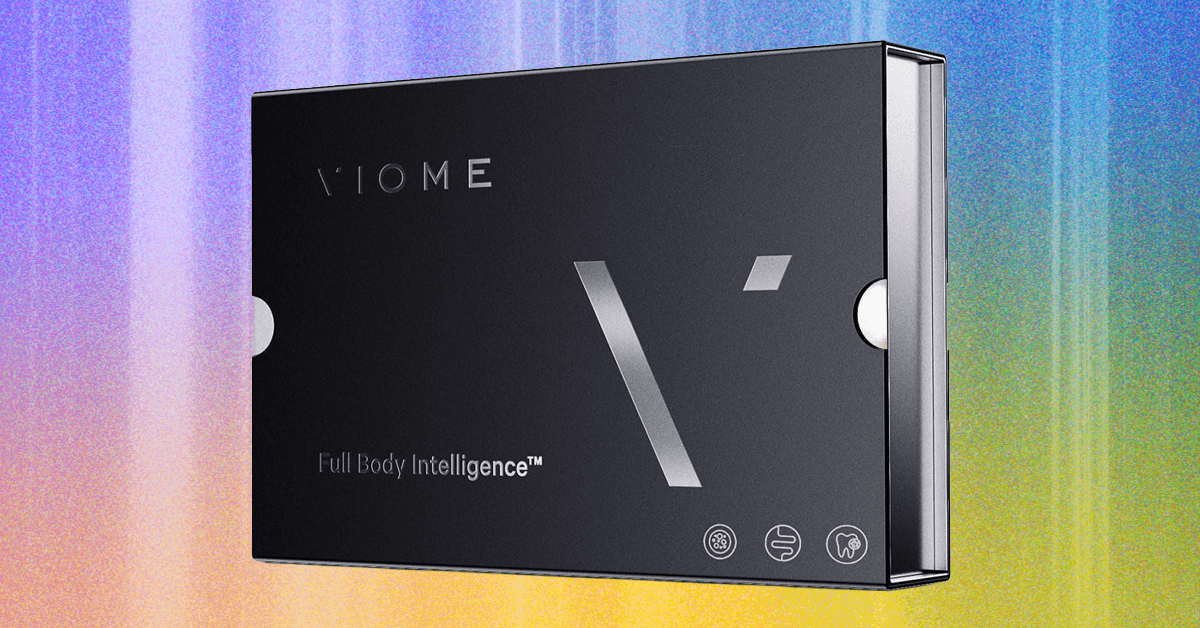
In the quest for better health, many are turning to at-home testing kits to analyze their microbiome and other health metrics. This article chronicles the experience of using such a kit, detailing the steps involved and the often-overwhelming results. Here’s a closer look at the process and what these health scores might mean for you.
Upon waking the next morning, I started the test by providing a saliva sample. In an easy step, I spat into a small vial. Next, a quick prick to my fingertip with the provided lancet—pain-free—allowed me to fill four tiny tubes with the blood drops that formed. After that, there was the rather awkward task of using a paper hammock designed to catch my stool while I used the bathroom. This hammock, which sticks to the toilet seat, allows for easy collection.
Once I had collected my sample, I used a provided scoop to gather a small ball of stool—about the size of a green pea, according to the kit—placed it in a vial, and secured the lid tightly. Shaking it for 30 seconds, I was then able to flush the hammock and seal up my collected samples for mailing.
After slightly over two weeks, I received a notification that my results were ready to view. The homepage presented a section titled “My Health Overview,” which summarized the findings, and to my dismay, it was filled with troubling news.
The results revealed issues such as high gas production, excessive microbial toxin generation, increased gut lining permeability, poor nutrient absorption, and inadequate protein digestion. It further indicated high levels of inflammation affecting cognitive performance, suboptimal management of cortisol, neurotransmitter production, mitochondrial function, imbalances in oral pH, heart-related inflammation, and increased metabolic stress.
Well, that was alarming.
The barrage of negative results was daunting. Clicking through the various tabs provided a brief explanation of each issue. For instance, I received a mitochondrial health score of 57. This section detailed that the score reflects the health of genes responsible for mitochondrial operation, along with contributing scores of 56 for mitochondrial biogenesis and 54 for energy production pathways.
Each score was clickable for further details, allowing deep dives into the components affecting my health. However, navigating this information became confusing. Viome, the company behind the testing, did not specify what elements were being assessed, which led me to reach out for clarification. Grant Antoine, a naturopathic doctor and the clinical lead at Viome, explained that the company employs RNA sequencing to assess mitochondrial protein activity and relies on proprietary sequencing methods for analysis. Antoine emphasized that the raw RNA data would not be useful without the AI-driven bioinformatics approach applied by Viome.
Yet, with no numerical benchmarks or reference points to consult with other experts, trusting the accuracy of these results proved challenging.
Furthermore, Viome indicated that I had 25 scores to “Maintain” (marked green) and a staggering 47 to “Improve” (marked yellow). Fortunately, none were flagged as “Attention” (red). Despite the findings, I struggled to locate any information explaining why my scores were so low. Instead, a persistent button labeled “Shop My Formulas” loomed over every page, inviting me to explore products for improvement.
Deciphering the Health Scores

Viome via Brent Rose
Exploring the Health tab did little to alleviate my confusion. Here, “My Health Zones” showcases broad health categories, including Gut & Digestive Health, Immunity, and Heart & Metabolic Health. Each category offers individual scores for its components, but crucially, it fails to explain the underlying reasons for such scores. This information remains hidden in a complex black box.