The Current State of Fitness in Singapore: Pilates Shines Amid Declining Service Quality
Singapore’s fitness landscape is undergoing significant changes, highlighted by recent findings from The Fit Guide (TFG), an independent organization that evaluates boutique fitness studios. The data reveals a positive upward trend in Pilates, while also pointing out troubling declines in front-of-house experiences among various fitness studios.
The Surge of Pilates in Singapore
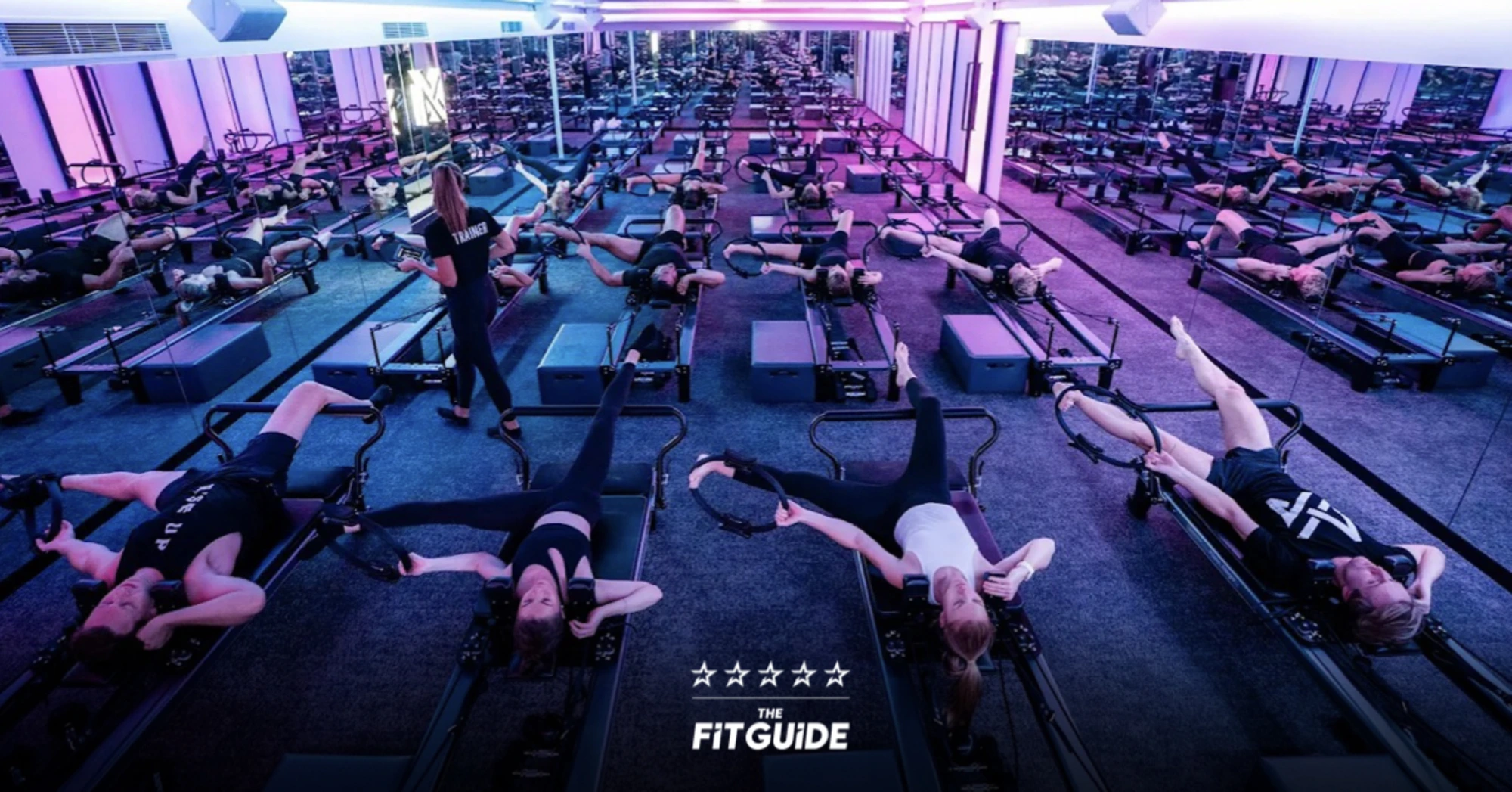
The TFG’s latest evaluation indicates that Pilates is emerging as the leading fitness modality in Singapore for 2026. Average scores for Pilates classes have climbed by 3.4%, reaching 81.2%. Notably, three studios received Five-Star ratings for Class Experience this year, a remarkable improvement from none last year. Among the frontrunners is KX Pilates River Valley, recognized for both its Class Experience and Overall Experience.
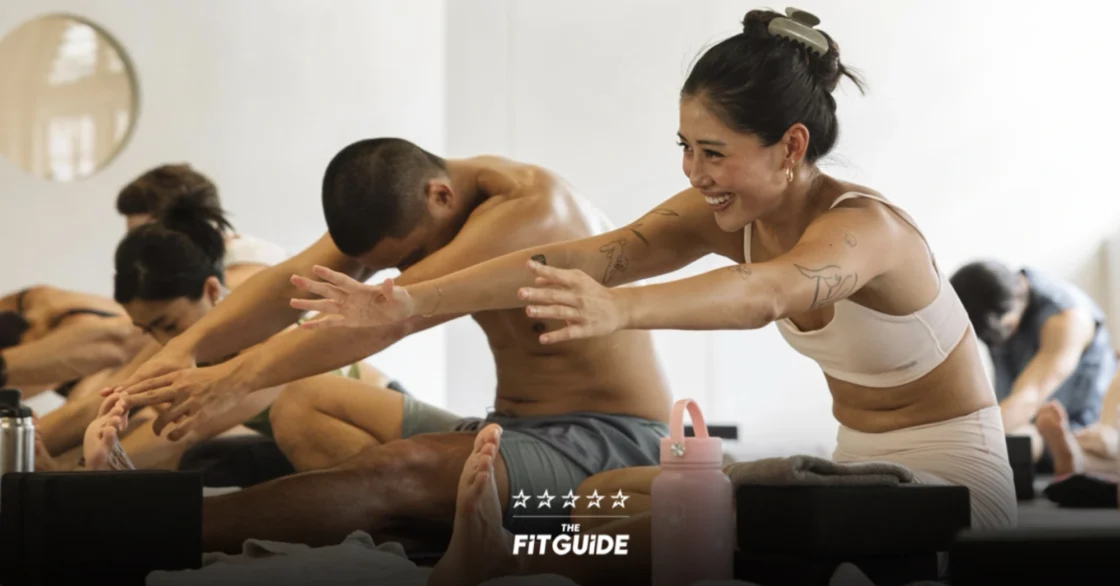
Additionally, the barre fitness trend has seen some enhancements. Combining elements of ballet, Pilates, and yoga, barre has improved in quality, particularly due to the closure of poorly performing studios since the previous evaluation. WeBarre and Holland Village stood out, both earning Five-Star Class Experience Awards, while Telok Ayer achieved Five-Star status for overall experience.
Credit: The Fit Guide
Declining Service Quality and Studio Closures
Despite the positive developments in specific fitness modalities, TFG’s findings also highlight a concerning drop in front-of-house service quality. Singapore now possesses the lowest service standards globally, accompanied by the highest rate of studio closures among all cities evaluated. Pre- and post-class service scores have decreased from 70.6% to 68.3%, while overall class experience scores have dropped from 85.3% to 82.6%. These declines are attributed to reduced individual coaching, less personal attention, and overall weaker management across various fitness offerings.
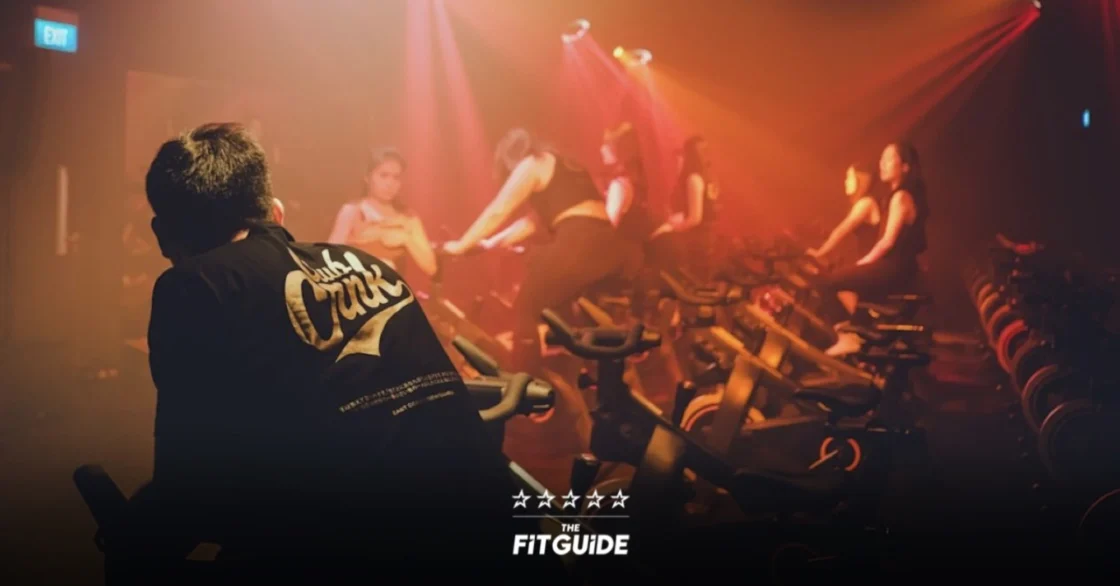
With around 30% of the initially evaluated 50 clubs now closed, Singapore consumers face limited fitness options. The majority of closures were among high-intensity interval training (HIIT) and strength-based studios, with cycling studios following closely behind.
Credit: The Fit Guide
A Turning Point for Fitness in Singapore
While the findings from TFG present challenges, they also open doors for transformation within Singapore’s fitness industry. The notable success of Pilates suggests that it is possible to elevate standards even in difficult conditions. Improved structure, clearer coaching cues, and better consistency across classes have emerged as critical factors.
As Fit Guide co-founder Jack Thomas points out, “Singapore remains one of Asia’s most vibrant fitness markets, yet there is ample room for improvement.” Emphasizing the importance of human connection in the fitness experience, he urges gym owners to prioritize superior service to ensure survival in this competitive landscape.
Conclusion
The current state of fitness in Singapore highlights both progress and pitfalls. While Pilates and barre are experiencing positive momentum, the significant drop in service quality and studio closures pose substantial challenges. Fitness enthusiasts and studio owners alike can take this opportunity to refocus on enhancing the overall experience, fostering genuine connections, and driving quality in every class. By prioritizing these factors, Singapore can continue to thrive as a leading fitness hub in Asia.