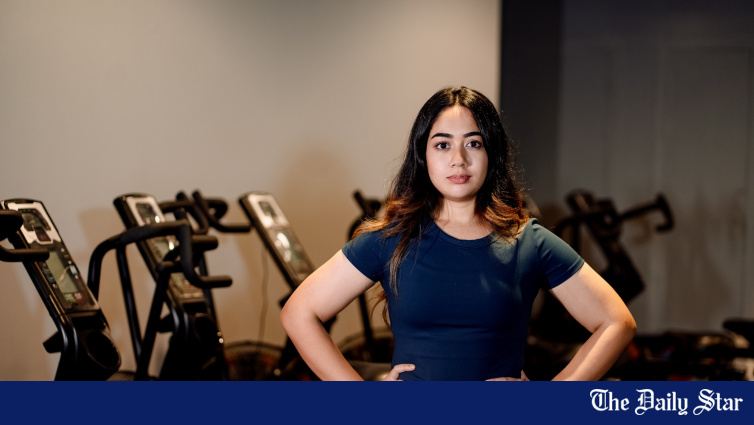
Health has always been a deeply personal journey for Nayma Hasan Diana, evolving from her own struggles rather than a mere professional aspiration. As a teenager, she faced challenges like unexplained weight gain, fatigue, and confusion in an environment that provided little insight.
“I battled health issues in my teens,” she recalls. “My weight was notably high, yet there was no awareness around it. I turned to magazines and television for dieting tips, but year after year, nothing changed.”
This cycle of health challenges continued into adulthood. After graduating with a degree in Computer Science, Diana took a job at a software company. Yet, within a year, her health began to decline further.
“I felt weaker with each passing day, constantly fatigued, and suffered from severe back pain. My weight kept climbing,” she remembers. It was only later that she learned she had PCOS, a hormonal condition that shed light on her ongoing resistance to traditional dieting. “I realized that while others followed the same methods and succeeded, they simply weren’t effective for me.”
Coaching vs. Clinical Nutrition
Diana is intentional about how she describes her profession. “Nutritionists often take a clinical approach,” she states. “As a nutrition and lifestyle coach, my focus is on mindset, lifestyle, and habit formation, working collaboratively with clients.”
This distinction influences her entire approach. Having followed strict diets under professional guidance, she began to question their long-term sustainability. “I adhered to a very rigid diet for three to four months and achieved results. But then I thought, what happens next? How do I sustain this?”
Her coaching is rooted in evidence-based nutrition and training principles. As a Certified Nutrition Coach through Precision Nutrition and a Certified Personal Trainer from NASM, she emphasizes safe and practical movement. Trained in online coaching, she effectively connects with clients through digital platforms.
Common Misconceptions About Healthy Eating
Diana often encounters prevalent myths in her practice.
“Many believe that healthy eating requires total elimination of carbohydrates,” she notes. “Another common issue is the desire for instant results. They stop eating out, quit everything at once, and soon find their motivation waning.”
She highlights a tendency to focus on what she refers to as “accessories.” “People often fixate on chia seeds and supplements instead of prioritizing protein balance or proper portion sizes. These elements are far more critical at the outset. If someone adhered to professional guidance properly for just one week, they would see progress.”
For Diana, this obsession with quick fixes reflects a deeper misunderstanding. “People tend to dodge the core issues instead of addressing the fundamentals.”
Bangladeshi Food: A Nutritional Asset
One of Diana’s firm beliefs is that healthy eating doesn’t require adopting foreign diets. “We don’t need keto or Western diets to lose weight or build muscle,” she asserts. “Bangladeshi cuisine can be quite nutritious when prepared and served in a balanced manner.”
She argues that rice is not the dietary villain often portrayed. “The problem lies in the portion sizes relative to our activity levels. Rice offers energy, while fish and meat provide necessary protein. Our enjoyment of food often leads to overeating.”
Diana also critiques common cooking methods. “We often use excessive oil and overcook vegetables, which depletes their nutrients. By improving our cooking practices and adjusting portion sizes, our traditional foods can contribute positively to our health.”
Coping with Myths, Misinformation, and Influencers
As she embarked on her career, Diana encountered an overwhelming prevalence of myths. “Most research is conducted in Europe or America,” she explains. “There’s a lack of research in Bangladesh, leading to outdated educational standards where new professionals learn outdated information.”
She is particularly wary of the authority that influencers hold. “Many people follow content creators due to their follower count, assuming everything shared online is accurate,” she cautions. “I consistently advise individuals to avoid following anyone blindly, even professionals. Having the ability to discern information critically is crucial.”
A Vision for the Future: Proactive Health
Diana’s aspirations extend beyond individual coaching engagements. “I aim to venture into health technology,” she reveals. With her background in computer science, she envisions creating systems that enable her to reach a broader audience without compromising quality.
More personally, Diana wishes to focus on youth, particularly young girls. “Health awareness usually comes once you’re already overwhelmed, and often, it’s too late,” she reflects.
Her motivation stems from her own experiences. “I began struggling in my teenage years when no one understood my challenges. If I can provide students with early awareness, it would be a gift to my younger self.”
For Diana, health transcends mere repair of a broken body; it’s about cultivating a proactive lifestyle before crises arise.
Photo: Courtesy