The Minisčítání, an initiative led by the Czech Statistical Office, offers intriguing insights into the lives of Czech children. It highlights the significant influence digital media, gaming, and AI tools have on their daily routines, as well as their reading habits, sports participation, and leisure activities.
This year’s Minisčítání (Mini Census), a well-received educational project by the Czech Statistical Office (ČSÚ), saw a record participation of nearly 84,000 students from approximately 1,100 schools and 5,500 classes. This initiative aims to introduce children and teenagers aged 9 to 15 to fundamental statistical concepts in an engaging manner.
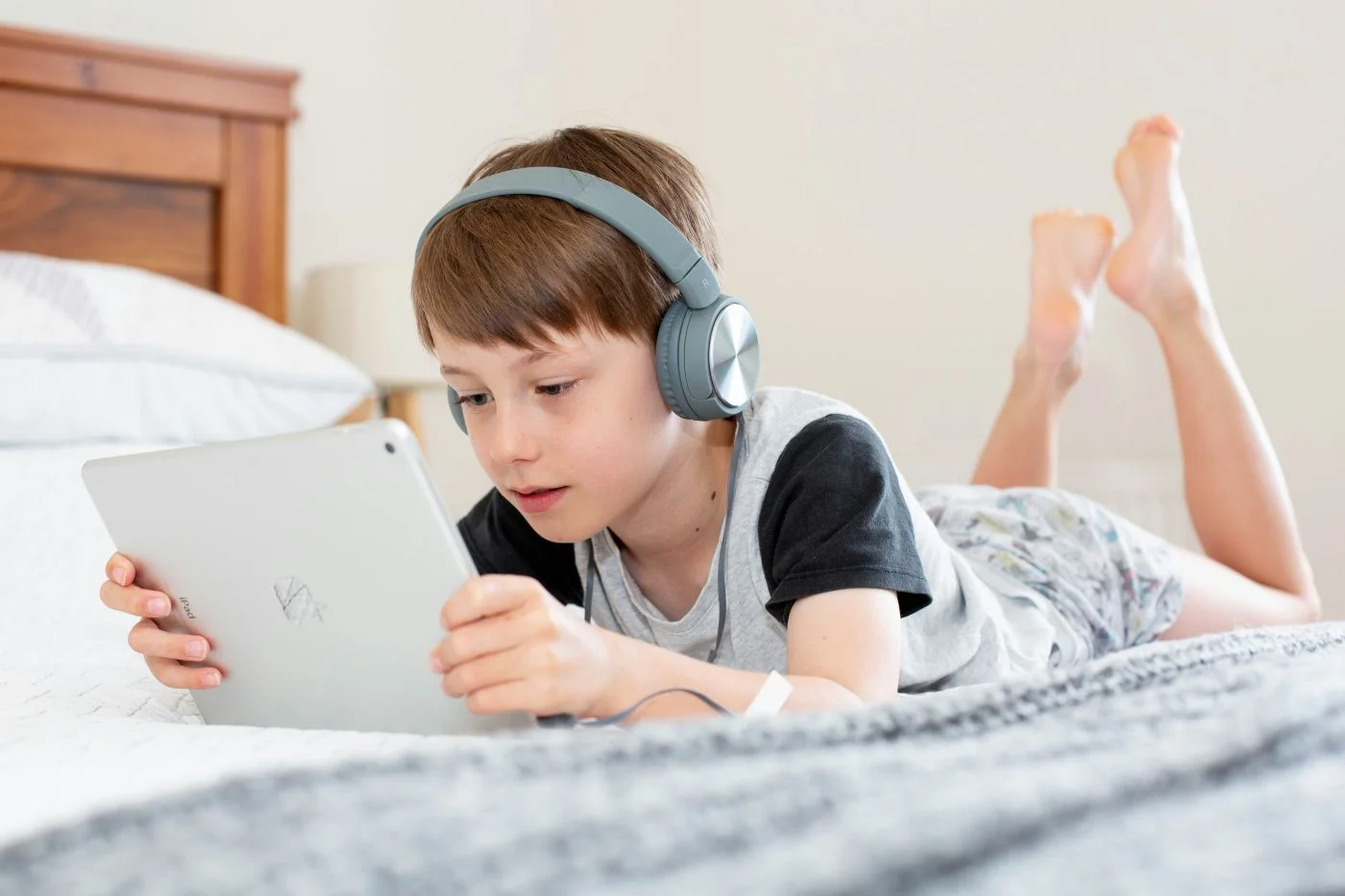
The latest survey reveals the overwhelming presence of digital media in children’s lives. A significant portion of children—22%—spend around three hours online each day, while nearly one-fifth exceed five hours daily. Online gaming is particularly favored among boys (44%), whereas girls primarily use the internet for music streaming (19%). Instagram (16%) and TikTok (14%) stand out as the most widely used social media platforms. In terms of video consumption, YouTube is unsurpassed at 46%, followed by TikTok (23%) and Instagram (16%). Remarkably, 90% of children have at least occasionally utilized AI tools.
Declining Reading Habits Amidst Ubiquitous Digital Devices
Reading habits fluctuate significantly based on age and gender. Alarmingly, 20% of children did not read a single book last year, with a quarter of boys and a third of older adolescents (15 years) not engaging in any reading. Conversely, 12% of children reported reading more than ten books, with 20% of nine-year-olds achieving this milestone. Only 2% of children lack their own mobile phone, with nearly a quarter already owning a device before they started school.
In terms of physical activity, children typically engage in 2 to 3 hours of sports weekly (35%), while 17% train for more than seven hours. “The results of Minisčítání indicate that computer games, videos, social networks, and AI tools are integral to children’s lives, enhancing their digital competencies. There is a noticeable drop in interest in traditional media such as books and magazines. Nevertheless, physical activities and sports continue to provide joy for the younger generation,” remarks Marek Rojíček, President of the Czech Statistical Office.
Noteworthy trends in sleep and leisure activities also emerge from the survey: 9% of children go to bed past midnight, while most children sleep between 8 PM and 10 PM. Outdoor sleeping has been experienced by 28% of boys and 24% of girls, and nearly two-thirds report having spent at least one night in a tent.
Since its inception in 2010, Minisčítání has proven to be a valuable project of the Czech Statistical Office. In 2025, the survey was conducted for the sixth time. The comprehensive results are accessible online, enabling comparisons across regions and other selected criteria. For the first time, teachers can also access methodological materials created in collaboration with experts.
This report underscores the evolving landscape of childhood in the Czech Republic, emphasizing the dual role of digital media in shaping experiences while still highlighting the importance of physical activity and traditional reading.