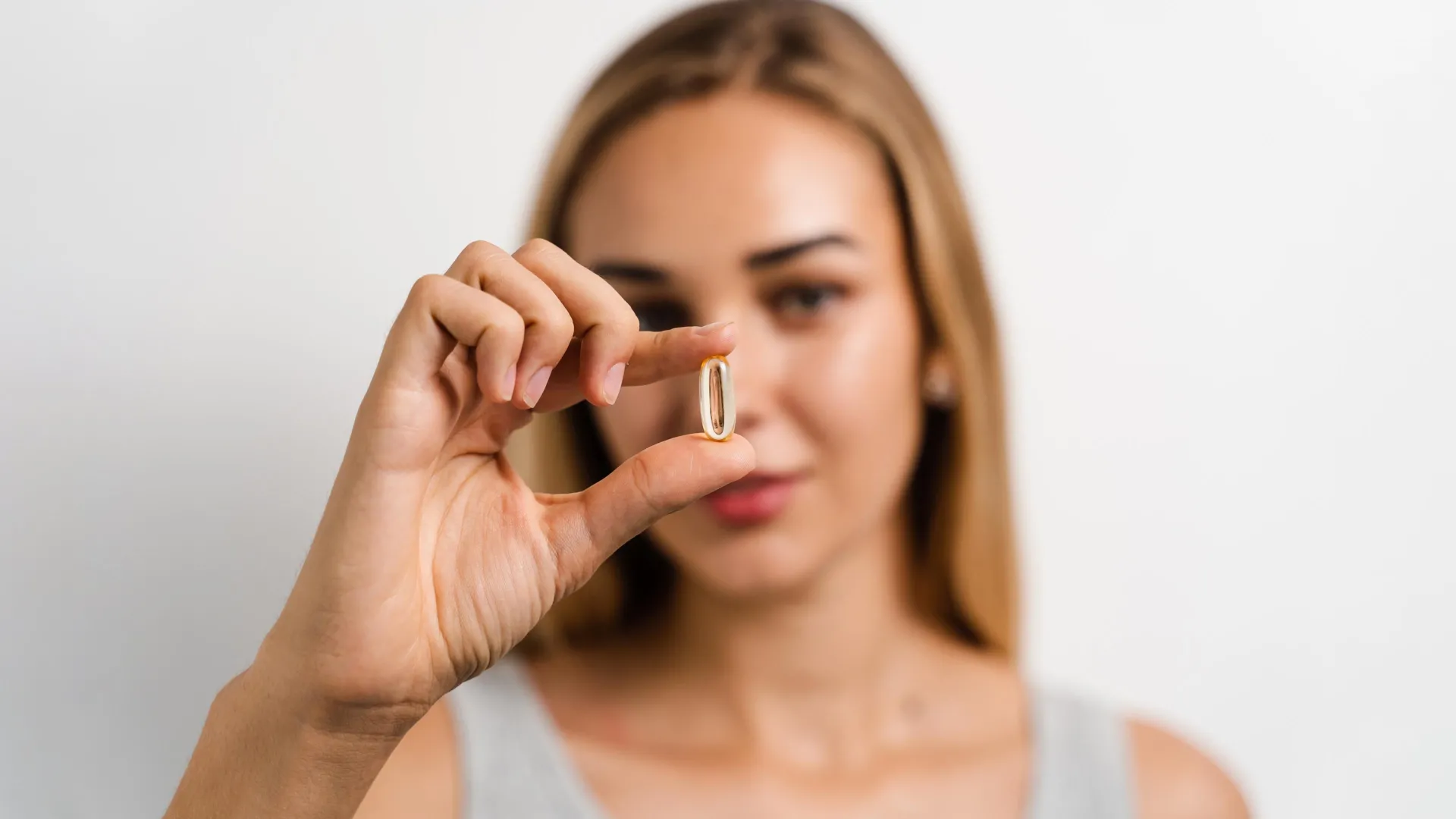
Dr. Farah Moustafa, an assistant professor at Tufts University School of Medicine and a dermatologist at Tufts Medical Center, clarifies that collagen supplements aren’t a proven solution for aging skin. “Currently, oral collagen supplements are not recommended for treating skin aging, although they might be considered in conjunction with other more effective and well-researched interventions.”
Research findings regarding oral collagen supplements have been inconsistent. “While some studies indicate that oral collagen supplements, especially hydrolyzed collagen, could enhance skin hydration and elasticity, others offer contrary evidence.” Moustafa emphasizes the importance of research quality. “A recent meta-analysis of 23 randomized controlled trials found that studies advocating the use of collagen supplements were often of lower quality and funded by pharmaceutical companies. In contrast, high-quality studies from different funding sources did not find any benefits from collagen supplementation.”
Understanding Collagen’s Role in the Body
Collagen is essential for various bodily functions. “As a protein present in skin, muscles, bones, and connective tissues, collagen plays a key role throughout the body.” As individuals age, natural collagen production diminishes, leading to both visible and physical changes. “Aging results in decreased collagen production, manifesting as wrinkles, sagging skin, and joint discomfort.”
However, the assumption that consuming collagen directly benefits specific areas of the body is misleading. “Collagen must first be broken down for absorption, which means that ingesting it does not directly supply collagen to the areas that may require it.”
Safety and Quality Issues with Supplements
Safety is another crucial factor concerning collagen supplements. “It’s important to note that oral collagen supplements derived from marine sources may be at risk for contamination with methylmercury,” warns Moustafa. She underscores that supplements do not receive the same regulatory scrutiny as medications. “Moreover, supplements are not evaluated for safety or efficacy before hitting the market.”
The lack of regulatory oversight raises concerns for dermatologists. “Per the American Academy of Dermatology, most oral collagen supplements on the market lack third-party verification and do not provide clear ingredient information.”
Natural Ways to Boost Collagen Production
Experts recommend promoting the body’s natural collagen production rather than depending on supplements. “Consuming a well-balanced diet empowers your body with the necessary nutrients to produce its own collagen.” Moustafa suggests ensuring adequate protein intake and incorporating foods rich in vitamin C. “Focus on getting enough protein and including vitamin C-rich foods like strawberries, kiwis, red bell peppers, and citrus fruits.”
Daily habits also significantly impact collagen maintenance. “Other lifestyle choices are vital for preserving collagen.” She highlights the importance of sun protection, effective skincare ingredients, and avoiding tobacco use. “Using sunscreen to guard against UV damage, consistently using topical retinol/retinoids, and abstaining from smoking can all contribute to protecting and preserving collagen.”
Dr. Farah Moustafa, MD, FAAD, is an assistant professor at Tufts University School of Medicine and practices as a dermatologist at Tufts Medical Center.
In conclusion, while collagen supplements have risen in popularity, their efficacy remains questionable according to recent studies. A balanced diet and healthy lifestyle choices are more reliable methods for supporting the body’s collagen production. Prioritizing natural sources and protective habits can yield better long-term benefits for skin health.