1
/
11
Calcium, the most abundant mineral in the human body, is essential for various functions including maintaining bone health, heart function, muscle contractions, and nerve signaling. Since our bodies cannot produce calcium, it’s crucial to incorporate calcium-rich foods into our diets.
The partnership between vitamin D and calcium is well recognized for promoting bone health. Yasi Ansari, MS, RDN, CSSD, and National Media Spokesperson for the Academy of Nutrition and Dietetics, explains, “Calcium and vitamin D are a dynamic duo—they work hand-in-hand to support bone production. Vitamin D enhances calcium absorption, and other nutrients such as magnesium, carbohydrates, proteins, and fats can also contribute to bone health.”
According to Ansari, calcium recommendations vary by age:
- 9 to 18 years: 1300 milligrams (mg) per day
- 18 to 50 years: 1000 mg per day
- 51 years and older: 1200 mg per day for females, and 1000 mg per day for males
It’s important to personalize calcium intake based on individual health needs and history. Ansari recommends checking food labels for calcium content to ensure adequate intake. “Look for foods with at least 20% or more of the Daily Value (DV) on food labels to identify calcium-rich options,” she suggests.
If you’re eager to boost your calcium intake for better bone health, here are some of Ansari’s preferred calcium-rich foods.
Does Yoga Strengthen Your Bones? An Orthopedic Surgeon’s Answer Might Surprise You
2
/
11
Calcium-rich foods for bone health
Soy Milk
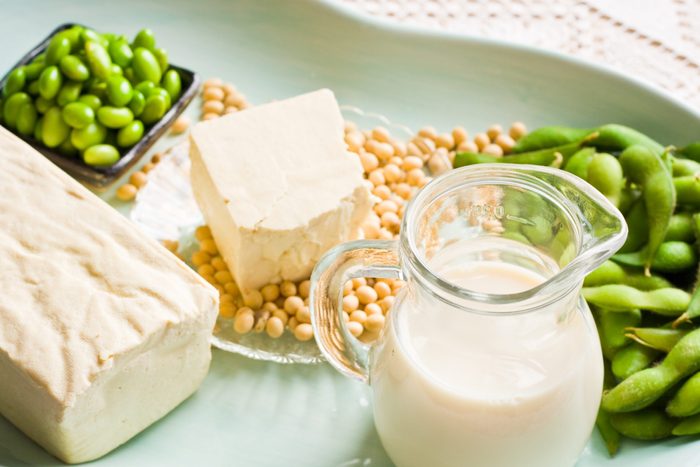
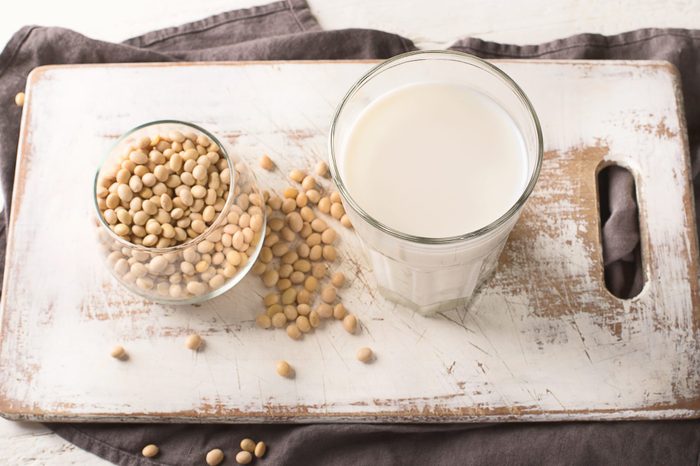
Depending on the brand, one cup of soy milk typically contains between 300 to 450 mg of calcium, representing at least 20% of the DV. A plant-based alternative to dairy, soy milk also provides seven grams of protein, comparable to cow’s milk. Ansari enjoys adding it to cereal or blending it into a smoothie.
3
/
11
Tofu
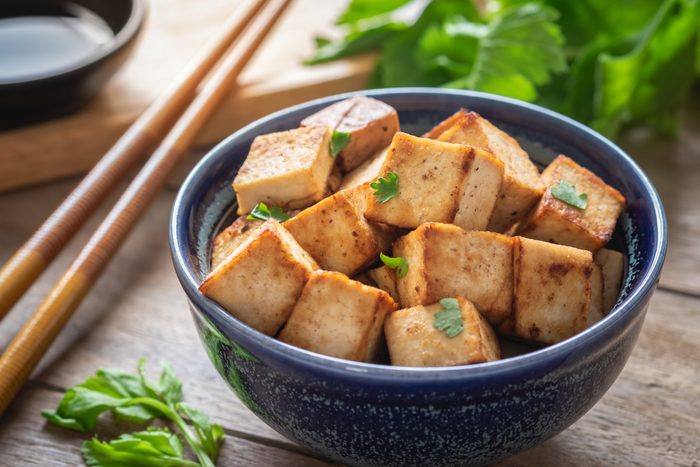
A nutritious plant-based source of protein, tofu is also one of Ansari’s top recommendations for calcium-rich foods. She notes that half a cup of tofu contains around 434 mg of calcium, or about 30% of the DV. Additionally, it provides approximately ten grams of protein, making it a versatile ingredient for stir-fries and tacos.
5
/
11

Broccoli
“Although lower in calcium compared to other foods, incorporating broccoli into your diet alongside other calcium-rich options can still support bone health,” Ansari advises. A half-cup of chopped broccoli provides approximately 20.7 mg of calcium.
6
/
11
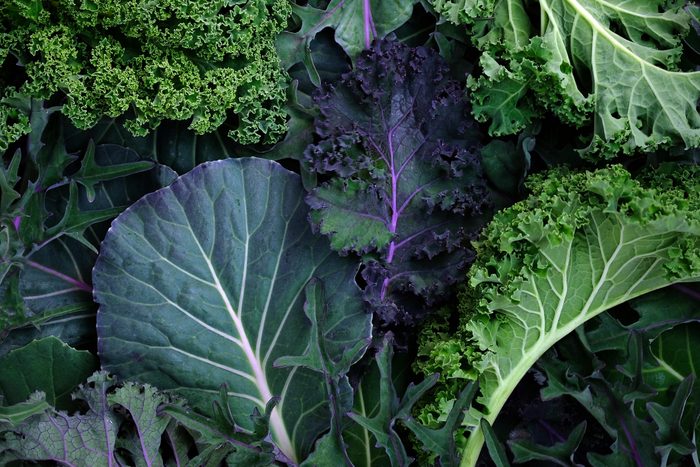
Kale
Including kale in your diet can help meet your calcium needs. Consider mixing it into a salad with broccoli, garbanzo beans, and your choice of protein. One cup of chopped kale contains about 101 mg of calcium.
7
/
11

Beans
Beans provide protein, fiber, and important micronutrients like calcium, potassium, vitamin C, and magnesium. For instance, half a cup of soybeans contains 100 mg of calcium, while one cup of garbanzo beans delivers about 80 mg. Beans can easily be incorporated into salads, soups, or dishes like chili.
8
/
11

Cow’s Milk
Most cow’s milk available in the United States is fortified with vitamin D. A cup of 1% milk contains around 305 mg of calcium (about 23% of the DV) and provides 8 grams of protein. The Healthy @Reader’s Digest’s Medical Review Board co-chair Latoya Julce recommends choosing organic cow’s milk when possible.
10
/
11
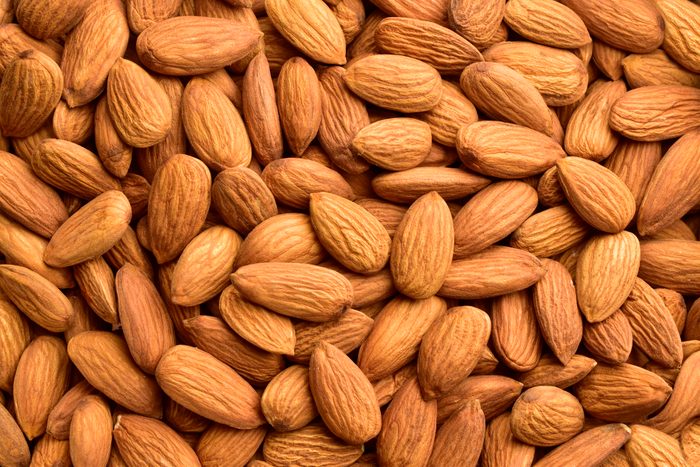
Almonds
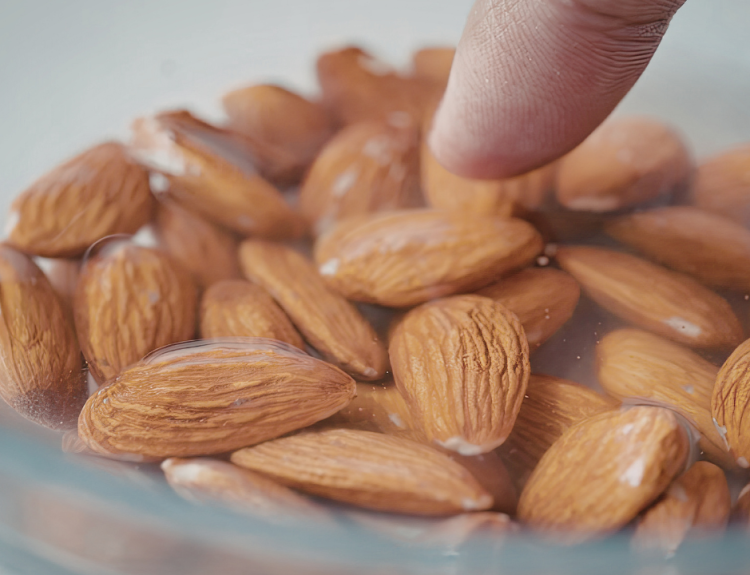
Almonds not only make for a tasty, protein-packed snack but are also an excellent source of calcium. Ansari notes that one cup of slivered almonds provides about 28% of the DV, equating to roughly 285 mg of calcium. Just one ounce, or 23 whole almonds, offers 7% of the DV or around 75 mg of calcium along with 3.5 grams of fiber.
11
/
11

How to Meet Your Daily Calcium Recommendations
To ensure you fulfill your daily calcium needs, Ansari offers the following recommendations:
- Evaluate your calcium intake through food. Consulting a registered dietitian nutritionist (RDN) can assist you in this assessment. If you’re falling short, consider taking a calcium supplement.
- If supplementation is necessary, aim to get half of your calcium needs from food and the other half from supplements.
- Disperse your calcium intake throughout the day for optimal absorption—aim for three to five sources of calcium-rich foods daily, incorporating both higher and lower-calcium foods.
- Be mindful of caffeine consumption, as it can hinder calcium absorption. If you drink caffeine, try to space it out from calcium-rich meals.
- Incorporate a variety of calcium-rich foods into your daily diet.