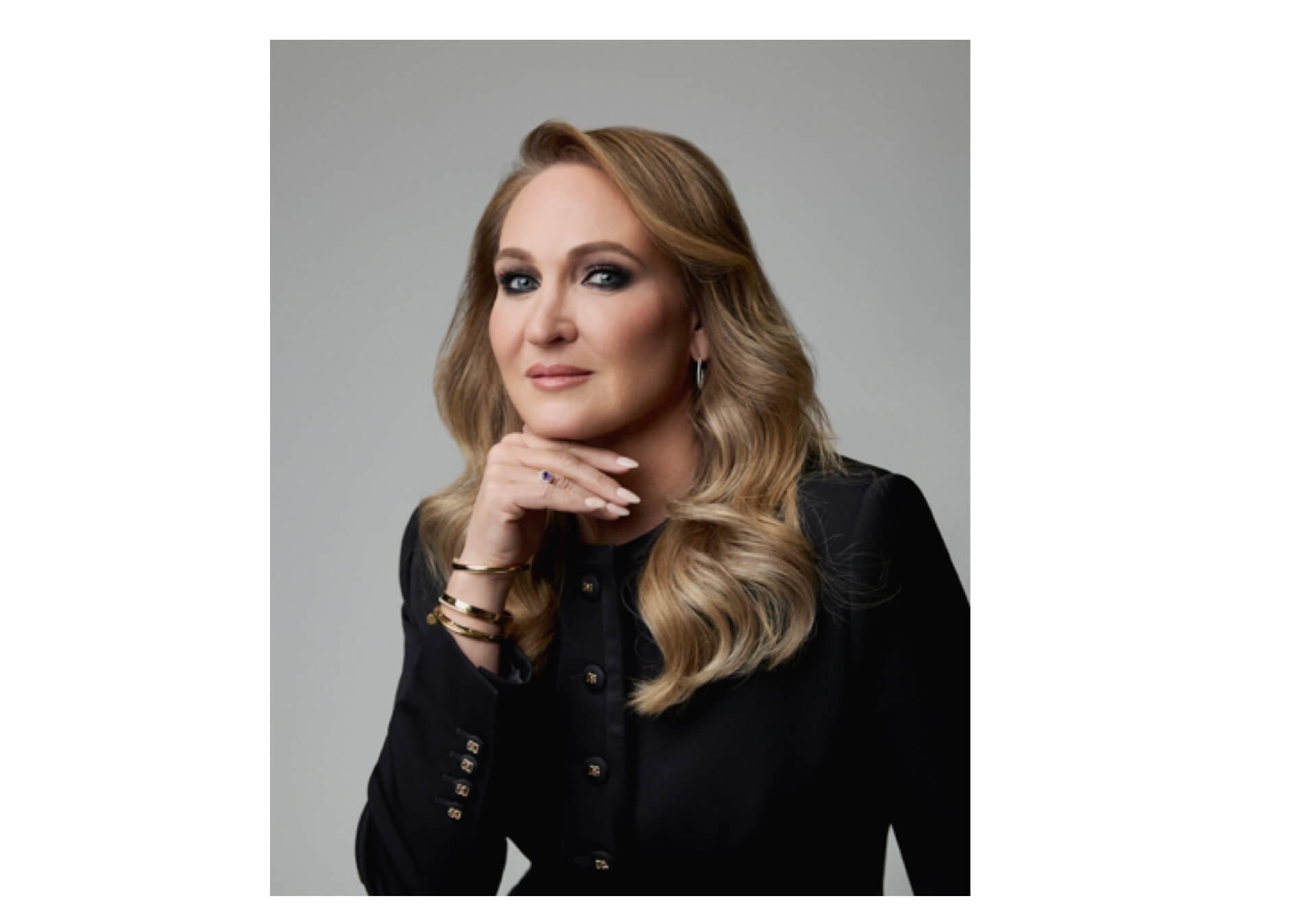
Embracing Resilience: Kecia Steelman’s Journey to CEO of ULTA Beauty
In a world where the beauty industry constantly evolves, Kecia Steelman’s ascent to the CEO of ULTA Beauty is a story of perseverance and strategic vision. As she leads one of the largest beauty retailers in the U.S., Steelman exemplifies how grit and determination can turn challenges into opportunities. In this article, we will explore her remarkable journey and the principles that can inspire anyone striving for success, whether in business or personal fitness.
A Journey of Transformation
Kecia Steelman stepped into the role of CEO at ULTA Beauty in early 2025 after a fruitful 10-year tenure in various executive positions within the company. Her leadership has since propelled ULTA to new heights, growing both its physical and online presence to over 1,500 stores, with international expansions in the U.K., Mexico, and the Middle East.
Steelman’s journey began far from the corporate boardroom. At the age of 20, she was a single mother living in government housing, struggling to support her family. With an unshakeable resolve, she sought opportunities where she could learn and grow, eventually landing a position as a team leader at Target for a modest hourly wage. This early experience in retail forged her path up the corporate ladder, leading her through roles at Home Depot and Family Dollar before joining ULTA in 2014.
Valuable Lessons from the Sales Floor
Steelman’s background on the sales floor instilled in her a deep appreciation for retail associates. She emphasizes the importance of every team member, particularly cashiers, in creating a positive customer experience. For her, the ambiance of a store—its culture—is paramount. During her store visits, she prioritizes understanding the workplace environment. “Culture is everything,” she stresses, recognizing that a supportive and friendly atmosphere cultivates happier employees, which in turn enhances customer satisfaction.
Building a Winning Team
When assembling her team, Steelman looks for three key qualities: Intelligence (IQ), Emotional Intelligence (EQ), and Adversity Quotient (AQ). While intelligence and emotional awareness are vital, Steelman believes that the ability to overcome challenges often sets the most successful individuals apart.
Her commitment to nurturing talent is evident—publishing more than 6,000 management positions for women within ULTA Beauty shows her dedication to creating opportunity. Steelman loves mentoring others, helping them transition from viewing their roles as mere jobs to seeing them as flourishing careers.
Finding Support in Personal Life
Steelman’s personal life reflects her commitment to family and support systems. With her two children grown and a supportive husband, Gray Steelman, she has cultivated a blended family that includes three grandchildren. Her husband often reminds her of her accomplishments, helping her maintain a positive mindset as she navigates her demanding role.
Moreover, her position at ULTA Beauty offers unique perks, including attending high-profile events. For instance, she had the chance to watch Beyoncé’s concert from a VIP seat, a memory she cherishes and shares with her loved ones.
Conclusion: The Power of Persistence
Kecia Steelman’s rise at ULTA Beauty illustrates the transformative power of resilience and the importance of nurturing relationships, both personally and professionally. Her journey highlights that success is not solely based on intelligence; it incorporates emotional depth and the ability to rise above obstacles.
As we seek our paths—whether in business, fitness, or personal growth—Steelman’s story serves as a reminder that with determination and a supportive network, we can overcome even the toughest challenges and achieve our dreams. By embracing our journeys and nurturing both ourselves and those around us, we can all work toward a brighter, more fulfilling future.