### Introduction
Fitness technology is transforming the landscape of sports, offering athletes invaluable insights into their performance and health. This is especially relevant in elite tennis, where players are increasingly looking to data analytics to optimize their training and competition. However, recent discussions at the Australian Open highlight the ongoing challenges regarding the use of fitness trackers during matches. Here’s a closer look at the situation and what it means for players.

At this year’s Australian Open, top players like Carlos Alcaraz, Jannik Sinner, and Aryna Sabalenka were instructed to remove their fitness trackers during matches. These devices, often worn on the wrist, are instrumental in collecting data on heart rate, stress levels, and overall physical exertion.
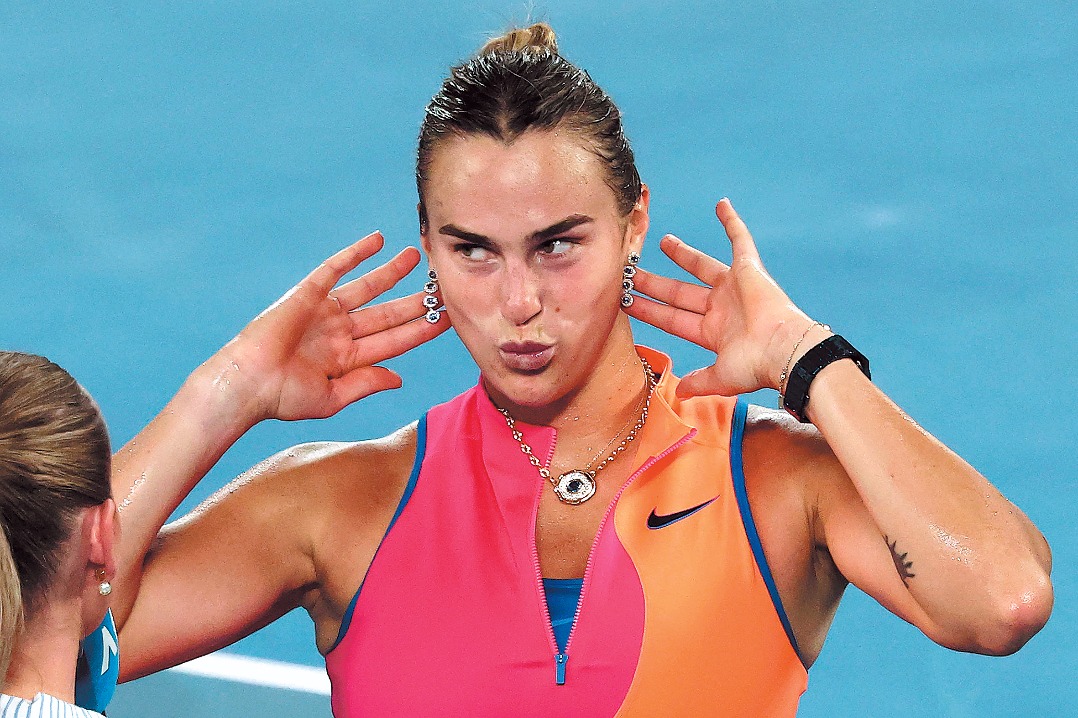
Sabalenka expressed her confusion when she was asked to remove her fitness tracker before her first-round match. “I was under the impression that we had approval from the ITF to wear these devices,” she noted, highlighting a significant gap between the rules of regular tournaments and Grand Slams.
While wearable technology is permitted on the ATP and WTA tours, its restriction at Grand Slams raises questions about athletes’ access to health-tracking tools. According to Sabalenka, the data gathered from these devices allows athletes to monitor their physical condition and performance levels, thus helping them enhance their training regimens.
Tennis Australia confirmed that the ongoing discussions concern how to integrate wearables into Grand Slam tournaments. They acknowledged that while players currently have access to important performance data during matches, this often doesn’t include the internal metrics provided by wearables. Such metrics can give athletes a holistic understanding of their physical demands and recovery processes.
The WHOOP fitness tracker, used by many professionals, aims to equip users with comprehensive insights into their health and performance. The company has argued that withholding such data from athletes is akin to asking them to perform without critical information. Sinner also noted the advantages of tracking heart rate and calorie expenditure during matches, underscoring the potential benefits of wearables for training and recovery.
Despite the restrictions, both Alcaraz and Sinner quickly complied with the tournament’s rules, showing the professionalism and adaptability expected at this elite level of competition. Sinner remarked on the inconvenience of not being able to use his device but accepted the regulations without complaint.
In recent match play, both Sabalenka and Zverev showcased impressive performances, advancing to the semifinals with solid victories. Sabalenka triumphed over 18-year-old Iva Jovic, while Zverev secured his spot with a win against Learner Tien, displaying skill and resilience under pressure.

### Conclusion
The ongoing discussions at the Australian Open about wearable fitness trackers underscore the evolving relationship between technology and sports. As athletes seek greater insights into their health and performance, the need for rules that accommodate these tools becomes increasingly evident. While current regulations may restrict the use of such technologies in Grand Slams, the future may hold more flexibility as the sport continues to adapt to the needs of its athletes. Embracing such innovations not only benefits the players but also enhances the overall excitement and competitiveness of the game.