Unpacking the Commercial Fitness Equipment Market
The commercial fitness equipment sector is experiencing remarkable growth, with projections estimating the market to reach approximately $19.29 billion by 2035. This substantial increase reflects a compound annual growth rate (CAGR) of 3.8% from 2025 to 2035, according to Market Research Future. This growth is fueled by a global movement towards enhanced health and wellness, driving demand for robust fitness solutions in various professional settings.
Understanding Commercial Fitness Equipment
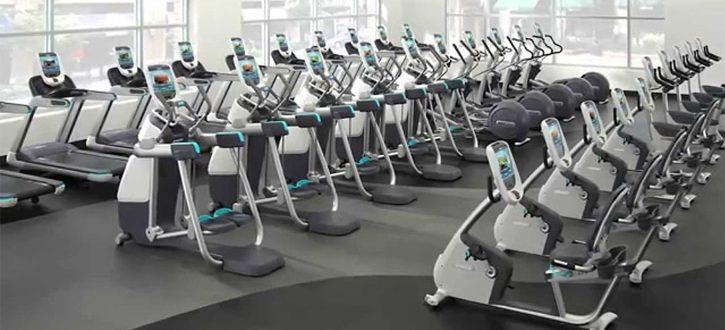
Commercial fitness equipment includes a wide array of machines and tools designed for use in gyms, corporate wellness centers, hotels, educational institutions, and rehabilitation facilities. Unlike home gym equipment, commercial-grade machines are built for durability and frequent usage, making them vital investments for business owners in the fitness industry. As urban populations grow and health awareness rises, the need for well-furnished fitness venues continues to increase.
Key Segments in the Market
The market for commercial fitness equipment can be categorized into various segments based on equipment type and end-users. Key types include:
- Cardiovascular Equipment: This includes treadmills, stationary bikes, and rowing machines, which are popular due to their effectiveness and versatility.
- Strength Training Equipment: This segment features weight machines and free weights, catering to the increasing focus on muscle-building.
From the perspective of end-users, health clubs and gyms dominate, followed by corporate wellness programs, educational institutions, and rehabilitation centers. The growing emphasis on employee health is driving businesses to invest in high-quality fitness solutions, further expanding the market potential.
Factors Influencing Market Growth
Several compelling factors are pushing the commercial fitness equipment market forward:
- Focus on Preventive Health: As more individuals prioritize physical activity to enhance well-being, gym memberships and fitness program participation are on the rise, thereby increasing demand for quality commercial equipment.
- Hospitality and Tourism Boom: Hotels and resorts are now integrating modern fitness amenities to attract guests, thus promoting the purchase of new fitness equipment.
Technological Innovations
Technological advancements are reshaping the commercial fitness landscape. Many manufacturers are incorporating digital technologies into their equipment, allowing users to track workout progress and customize training programs. This interactivity enhances the user experience significantly, making workouts more engaging. Additionally, cloud-based systems enable gym operators to analyze usage patterns and member preferences for better management.
Changing Consumer Preferences
Modern fitness enthusiasts are leaning towards versatile, user-friendly equipment that maximizes workout efficiency. Machines that can support a wide range of exercises are particularly favored in space-constrained urban settings. Moreover, the trend for personalized fitness experiences is growing, with adjustable resistance levels and customized programs becoming increasingly popular.
Regional Insights
Geographically, North America holds a prominent position in the commercial fitness equipment market, powered by a strong culture of fitness and health awareness. Europe follows closely, while the Asia-Pacific region shows immense potential for growth due to rising disposable incomes and increasing awareness about fitness.
Competitive Landscape
The market is characterized by a blend of established global players and regional firms targeting niche segments. Competition centers on product quality, technological advancements, and customer service. As gym owners seek to equip their facilities with the latest products, innovation and service excellence will continue to be crucial for competitive differentiation.
Conclusion
The commercial fitness equipment market is poised for continued growth, propelled by long-term trends favoring health and wellness. As fitness becomes an integral part of everyday life, the demand for advanced and accessible fitness solutions will rise. Emerging technologies and innovative business models promise to reshape how fitness is experienced, ensuring that the commercial fitness equipment market remains vibrant and ever-evolving.
For more insightful reports on various market trends, visit [Market Research Future](https://www.marketresearchfuture.com).