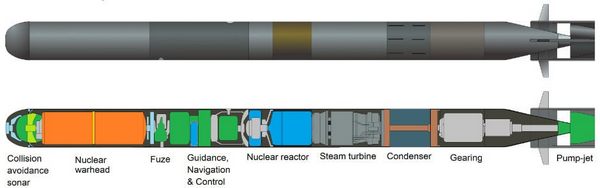
A Terror Weapon from the Deep
Russia is set to introduce a submarine-launched, nuclear-powered, nuclear-armed drone known as Poseidon, capable of traveling vast distances underwater and detonating near coastal cities. Also referred to as Status-6 or by NATO as “Kanyon,” this cutting-edge weapon represents a significant new threat to U.S. and allied security. With its ability to evade missile defenses by operating at profound depths and at high velocities, Poseidon aims to disrupt coastal regions strategically. This article explores how the Poseidon weapon could alter the landscape of nuclear threats.
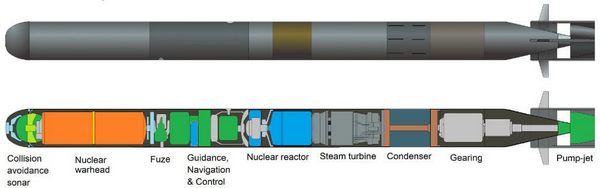
Poseidon nuclear torpedo
Although commonly labeled a torpedo, Poseidon is much larger than traditional torpedoes—measuring approximately 80 feet in length and 5 to 7 feet in diameter. Its powerful nuclear propulsion system enables underwater speeds of up to 100 mph, surpassing any existing submarine or conventional torpedo. Equipped with a nuclear warhead yielding an estimated 1-2 megatons—about 50 times the explosive power of the bombs dropped on Hiroshima and Nagasaki—Poseidon poses an unparalleled risk. Recently, Russia launched the Khabarovsk, the first submarine in a new class specifically designed to carry Poseidon drones, which can strike targets located thousands of kilometers away. Poseidon is expected to be fully operational following further sea trials.
Massive Destruction and a Deadly Aftermath
A nuclear detonation of Poseidon near a harbor city would obliterate the port’s infrastructure, rendering it unusable for an extended period. While an underwater explosion may not cause as much immediate physical damage to a coastal city compared to an aerial burst, the aftermath poses a serious threat due to radioactive fallout. The city would likely be inundated with radioactive water and debris resulting from the nuclear explosion. While claims that the Poseidon warhead could generate a “tsunami” have been dismissed, the fallout itself would leave areas toxic and uninhabitable for many years.
Unlike fallout from terrestrial detonations, which settles quickly and becomes less dangerous within weeks, the radioactive contamination from an underwater explosion remains perilous for a much longer duration. When a nuclear weapon detonates in seawater, its fission products attach to tiny salt crystals and suspended sediments rather than heavier soil particles, enabling mobility through ocean currents. These microscopic particles continue to wash ashore, contaminating docks and harbor bottoms. Long-lived isotopes such as cesium-137 and strontium-90 accumulate in mud and marine life, creating persistent hazards that cannot be easily addressed. The cleanup would be arduous, requiring isolation, repeated washing, targeted demolition, dredging, and secure disposal of large volumes of contaminated materials.
Emergency response efforts could take days or weeks, but restoring key port operations would span months, while complete remediation of affected waterfront areas could take years. The cost of decontamination is substantial, with estimates ranging from tens of billions to low-hundreds of billions for major port cities, not accounting for long-term health monitoring, lost commerce, and socio-political ramifications. Consequently, Poseidon represents a formidable threat.
Why Defense is Technically and Logistically Challenging
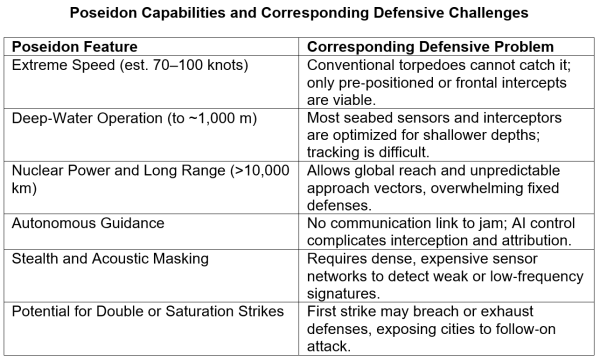
The technical and logistical challenges to defending against Poseidon stem from several factors. Its advanced nuclear propulsion system endows it with exceptional speed, range, and payload capabilities. Additionally, Poseidon takes advantage of the inherent stealth of submarines, designed for optimal acoustic stealth. With its extensive range, a single Poseidon drone can target multiple distant coastal areas, necessitating comprehensive sensor networks and response teams across entire littoral zones, choke points, and seabed corridors. Defending against such a threat incurs a higher cost than that of the Poseidon attacks themselves.
Costly Layered Defense Requirement
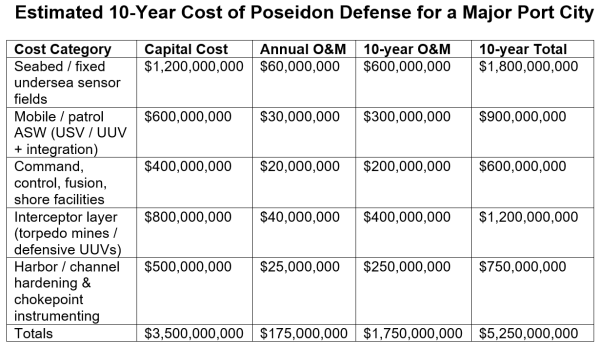
With no existing defenses against Poseidon, the United States will need to develop an entirely new undersea detection and interception architecture. A comprehensive defense package for a single major port—including seabed sensor fields, mobile anti-submarine warfare systems, a dedicated command-and-control operation, and an intercept layer such as torpedo mines or defensive unmanned underwater vehicles—could cost approximately $5 billion per city over a decade, factoring in maintenance and operation costs. Extending this approach to cover around two dozen economically significant U.S. coastal cities could push the total costs into the $100-140 billion range, not including national research and development or program management expenses. Effectively, Russia can impose an enormous defense burden on the U.S. with just a limited array of advanced undersea weapons.
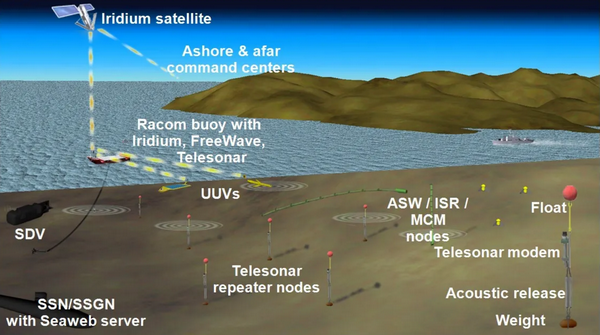
Undersea detection network
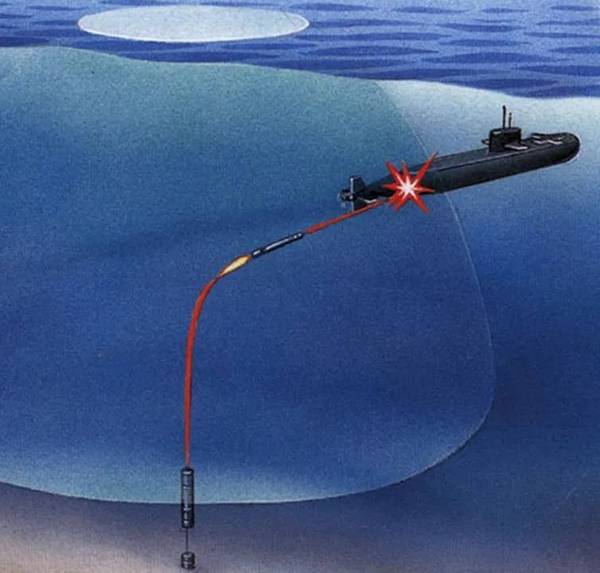
Tethered torpedo mine
The Need for Renewed Arms Control
The introduction of Poseidon highlights the resurgence of a nuclear arms race reminiscent of the Cold War era. The expansion of U.S. missile defense systems has prompted Russia to invest in novel technologies such as Poseidon to maintain its strategic counterbalance. This interplay, where defense expenditures in one nation compel exotic armament developments in another, fuels an escalating arms race. Arms control agreements remain crucial to curb this cycle of escalating defense budgets and heightened nuclear threat levels.
A treaty banning undersea nuclear weapons similar to Poseidon would bring clear advantages for both superpowers. For the United States, it would eliminate a particularly hard-to-detect threat to its heavily populated coastal areas and spare the nation substantial costs related to nationwide underwater detection and defense systems. For Russia, it could translate an expensive and complex program into greater strategic stability, decreased budgetary pressure, and international acknowledgment as a responsible participant in creating future arms-control norms. Both countries would benefit from reduced risks of accidental detonation, environmental harm, and miscalculations during crises, while still preserving the option to develop conventional unmanned undersea technologies. Ultimately, prohibiting weapons that bring about insecurity and exorbitant defense costs would yield stability and predictability for both nations.
Conclusion
Considering the disparities in cost, the logistical challenges of defense, and the strategic instability introduced by systems like Poseidon, it is imperative to explore arms control measures. The most viable path forward is to initiate negotiations aimed at limiting the deployment of these advanced undersea strategic systems. This approach would not only foster verification protocols and enhance transparency but also revitalize nuclear risk-reduction frameworks. Without a commitment to arms control, we risk proliferation of new terror weapons like Poseidon and face an increasing likelihood of catastrophic outcomes.
