1
/
8
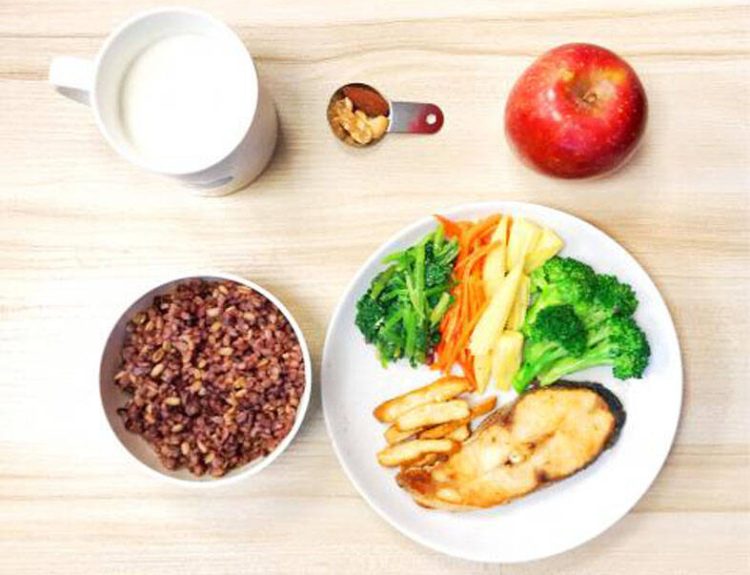
Virus season is approaching, making it crucial to ensure your diet includes sufficient nutrients that support immune health. Julia Zumpano, a Registered Dietitian at the Cleveland Clinic Center for Human Nutrition, points out that recent studies published in Nutrients suggest that maintaining a balanced diet can help alleviate symptoms if you do catch a respiratory virus, like Covid, this season.
While acquiring nutrients from food is generally the best approach, Zumpano notes that many Americans fail to meet their nutritional needs through their diets. “The Standard American Diet (SAD) is typically deficient in nutrition due to a high consumption of processed, low-nutrient foods.” Alarmingly, less than 15% of Americans meet the daily recommendations for fruits and vegetables, according to Ali Bandier, MS, RD, a registered dietitian based in New York.
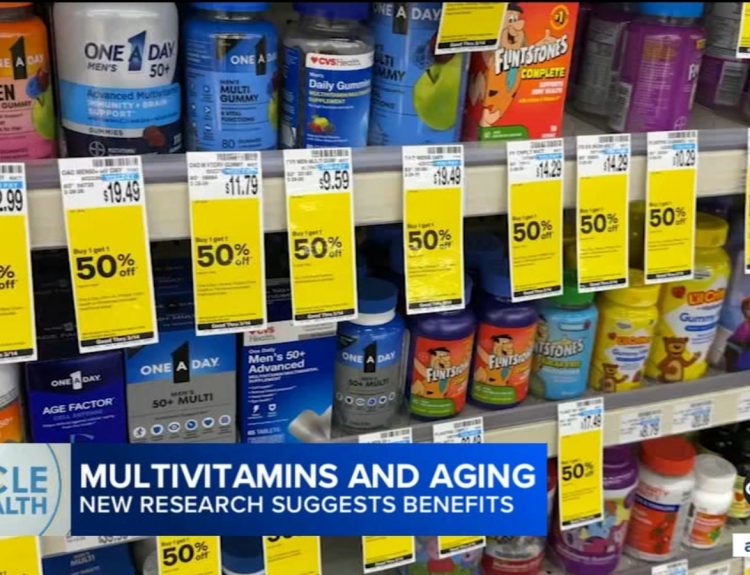
Zumpano emphasizes that while a diet rich in whole, nutrient-dense foods is ideal for obtaining immune-boosting vitamins, supplements can serve as a helpful addition, especially during the cold and flu season. Individuals such as the elderly, vegans, vegetarians, or those with documented nutrient deficiencies may find supplements beneficial, especially if they adhere to strict dietary restrictions such as low-calorie or dairy-free diets.
She recommends using supplements that are third-party tested and advises consulting with a healthcare provider to ensure they do not interact with any current medications or other supplements. (Here’s a list of 13 supplement and medication combinations to avoid.)
Zumpano notes, “Often, we seek quick fixes, but leading a healthy lifestyle will provide more benefits than relying solely on supplements.” To enhance your immune system, focus on getting enough sleep (seven to nine hours each night), staying hydrated (approximately half your body weight in ounces of water daily), exercising regularly, and managing stress, in addition to increasing nutrient intake through food.
However, for some, the right supplements can significantly enhance overall health during cold and flu season. Below are the key vitamins and supplements recommended by health professionals to help fend off illness.
2
/
8
1. Vitamin C
Though vitamin C cannot prevent colds, the National Center for Complementary and Integrative Health indicates that it remains essential for a functional immune system. A 2017 study published in Nutrients supports its importance.
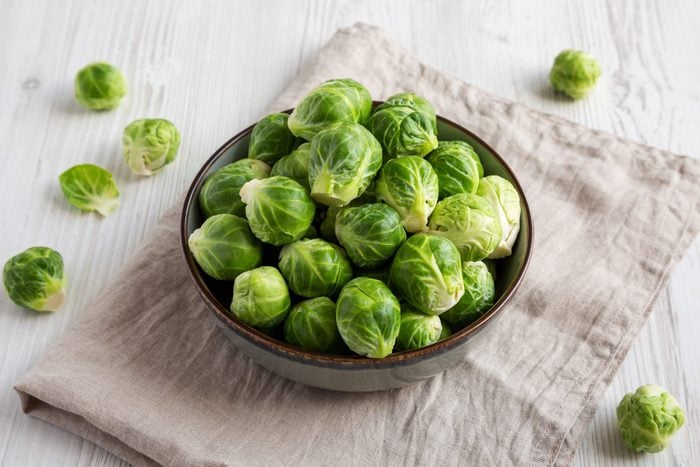
“The best sources of vitamin C are through food,” says Bandier. Rich sources include citrus fruits such as oranges, grapefruit, and kiwi; cruciferous vegetables like raw broccoli and Brussels sprouts; along with strawberries, tomatoes, and white potatoes.
A 2021 study published in BMJ Global Health demonstrated that vitamins C and D lower the risk of acute respiratory infections and reduce the duration of symptoms. In another 2022 meta-analysis in Current Reviews in Clinical and Experimental Pharmacology suggested vitamin C can shorten respiratory tract infection duration.
In addition to a daily multivitamin, Bandier uses a supplement containing elderberry, vitamin C, vitamin D, and zinc during cold and flu season. She also occasionally takes a Lypo-C supplement, known for its absorption properties.
Dr. Michael Miller, a cardiology professor at the University of Pennsylvania, states he rarely uses multivitamins. Instead, he occasionally resorts to vitamin C when feeling unwell.
“I take 2 grams of vitamin C twice daily when I have a cold since it has been shown to lessen cold symptoms and duration—something I’ve done since medical school,” Dr. Miller adds.
3
/
8

2. Vitamin D
Vitamin D is commonly lacking in many diets, as it is found in few foods. While fatty fish, eggs, mushrooms, and fortified items are good sources, sunlight is the best way to maintain adequate levels of vitamin D—something that can be difficult during winter. Low levels of vitamin D can compromise immune function, increasing the likelihood of infections. The Cleveland Clinic estimates that around 35% of Americans may be vitamin D deficient.
Consequently, many healthcare professionals advocate for vitamin D supplementation. A 2022 study in Frontiers in Nutrition highlighted its potential to reduce flu risk.
Sharon Palmer, RDN, emphasizes the importance of obtaining vitamins C, D, and E through both whole foods and supplements, stating, “I take vitamin D.”
Similarly, Zhaoping Li, MD, PhD, chief of the Division of Clinical Nutrition at UCLA, takes vitamin D as well, noting that a balanced diet, sufficient sleep, and regular exercise are essential for a healthy immune system.
4
/
8
3. Vitamin E
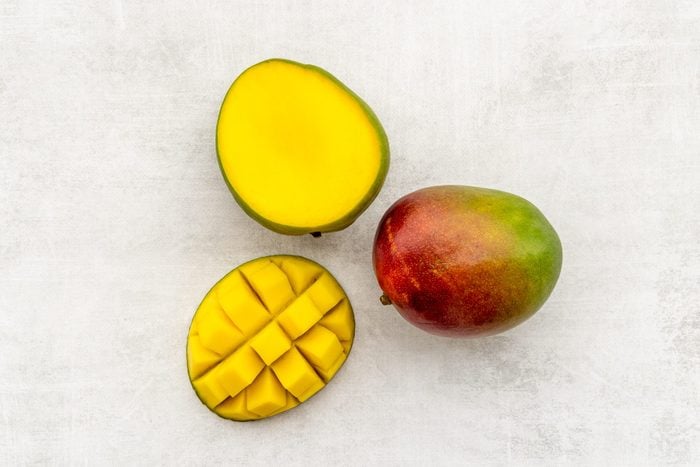
Vitamin E is recognized for its antioxidant properties, which can enhance immune function, according to Bandier. She further explains that obtaining vitamin E from food sources is ideal, as deficiencies are rare, but excessive intake can be harmful. Top sources of vitamin E include seeds, nuts, dark leafy greens like spinach and broccoli, as well as fruits like kiwi, tomatoes, and mango, along with wheat germ oil.
5
/
8
4. Zinc
According to Zumpano, zinc plays a crucial role in immune system support by aiding in the development of immune cells. There is evidence suggesting that zinc may alleviate the severity and duration of viral symptoms, particularly when taken within 24 hours of onset. Additionally, recent research points to zinc’s potential therapeutic properties for treating Covid, though further investigation is needed.
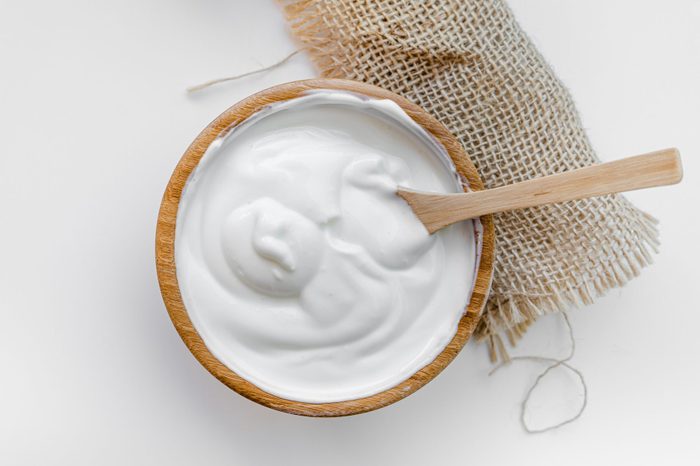
Zinc is commonly found in most multivitamins, or it can be taken as an independent supplement. Some foods rich in zinc include oysters, crab, lean meats, poultry, baked beans, chickpeas, and yogurt.
6
/
8
5. Omega-3 Fatty Acids
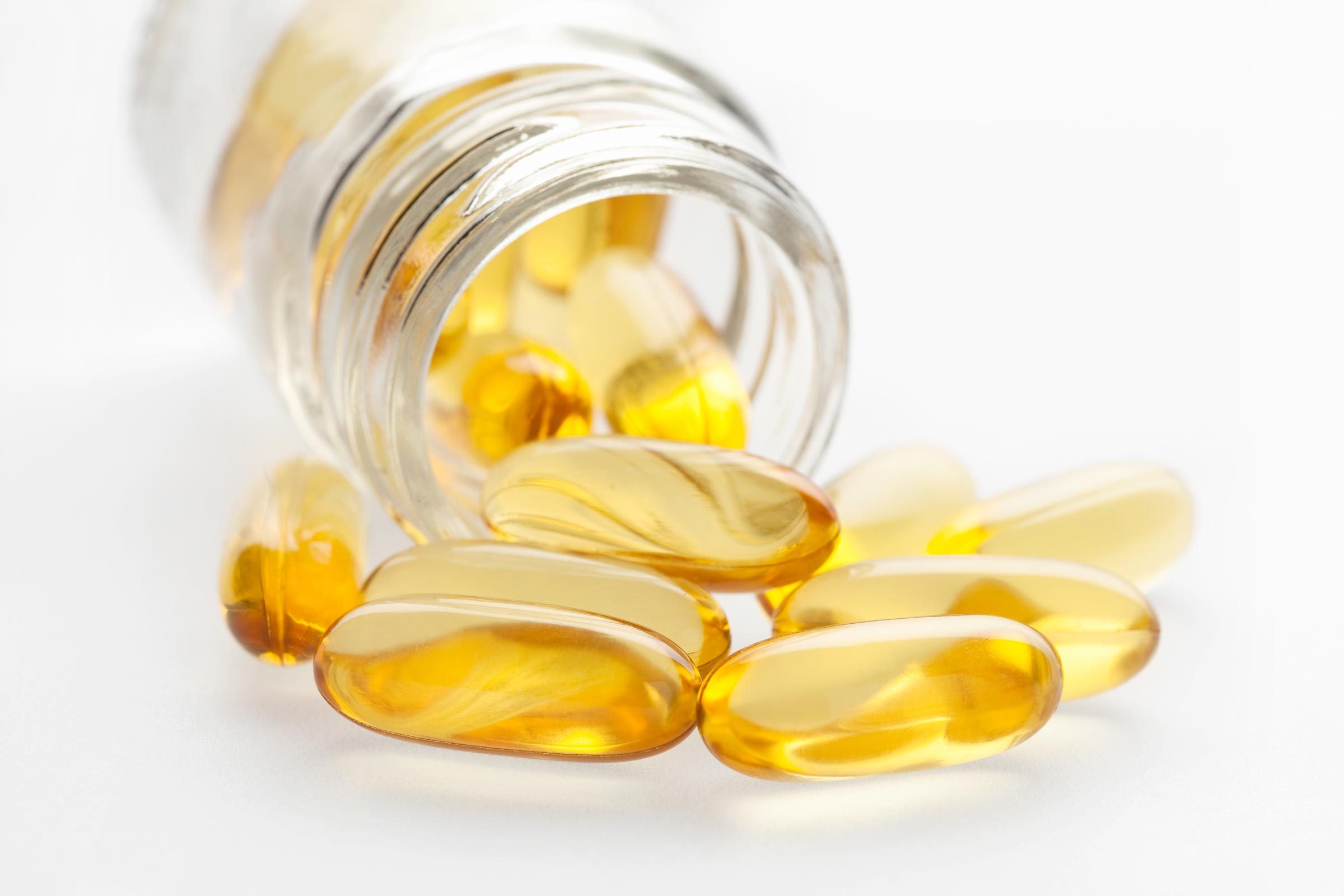
Dr. Li frequently takes fish oil due to its benefits for the immune system. Although research on who should take these supplements and in what quantities is mixed, omega-3 supplements are beneficial if dietary sources are insufficient.
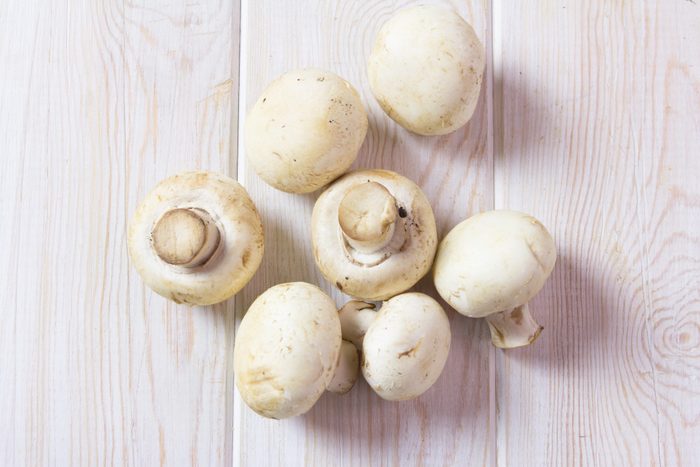
Palmer shares that she has focused on including quality sources of omega-3 fatty acids in her diet for over a decade, ensuring to incorporate mushrooms, fiber, probiotics, and omega-3s into her meals.
7
/
8
6. Probiotics
Your gut microbiome consists of various bacteria, some of which contribute positively to immunity, states Zumpano. Recent studies have indicated that Cells found that probiotic supplements can enhance our intestinal bacteria profile and strengthen immune functionality.
However, details on which specific probiotics are most effective are still emerging. Thus, it is recommended to obtain probiotics from dietary sources unless supplements are advised by a healthcare professional.
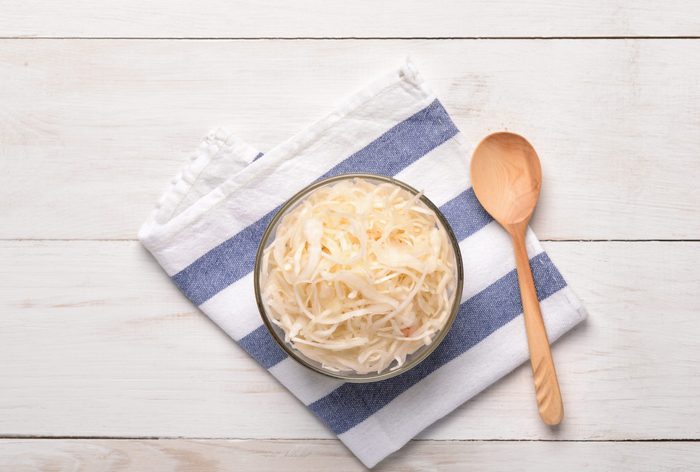
Notable sources of probiotics include fermented foods such as kombucha, kimchi, kefir, sauerkraut, tempeh, miso, and natto. Prebiotic foods, which nourish probiotic bacteria, should also be included in the diet. These can be found in fiber-rich items like garlic, onion, leeks, bananas, Jerusalem artichokes, barley, oats, apples, pears, flaxseeds, wheat bran, and seaweed.
8
/
8
Which Vitamins Are Best for Virus Season?
Experts typically recommend only a few essential vitamins; many healthcare professionals do not consistently rely on supplements. For instance, Christopher Gardner, PhD, a Stanford University professor, shares that he has never taken supplements throughout his sixty-plus years. “In all that time, I’ve rarely missed any engagements due to illness,” Gardner notes, adding that he experiences a mild cold every four to five years.
What’s his secret? “I maintain a whole-food, plant-based diet and enjoy cooking. This allows me to consume a diverse range of healthy foods consistently,” he adds. “All of my nutrients and antioxidants come from my meals.”
About the Experts
|
Maintain a healthy immune system with daily insights from The Healthy @Reader’s Digest newsletter and follow The Healthy on Facebook and Instagram. Keep reading:
Reported by Leslie Finlay, MPA.