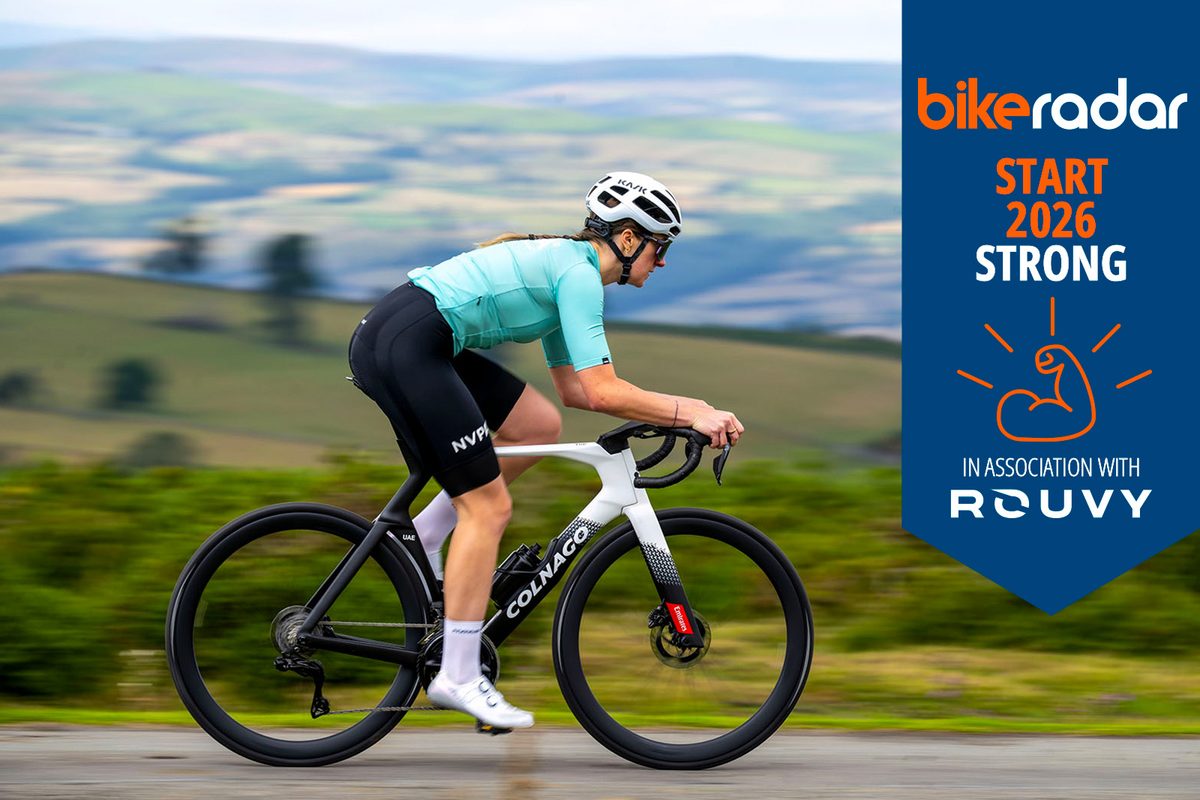
Elevating Your Fitness Game Year-Round
As fitness enthusiasts, our sights are often set on achieving specific goals, whether it’s cutting down a few seconds on a local climb or completing a spring sportive with a solid time. However, ensuring consistent improvement over an entire year requires more than simply repeating the same 12-week training cycle multiple times. Seasonal challenges, the risk of overtraining, and the benefits of making small, sustainable adjustments are critical to long-term success. Let’s explore how to optimize your fitness journey throughout the year.
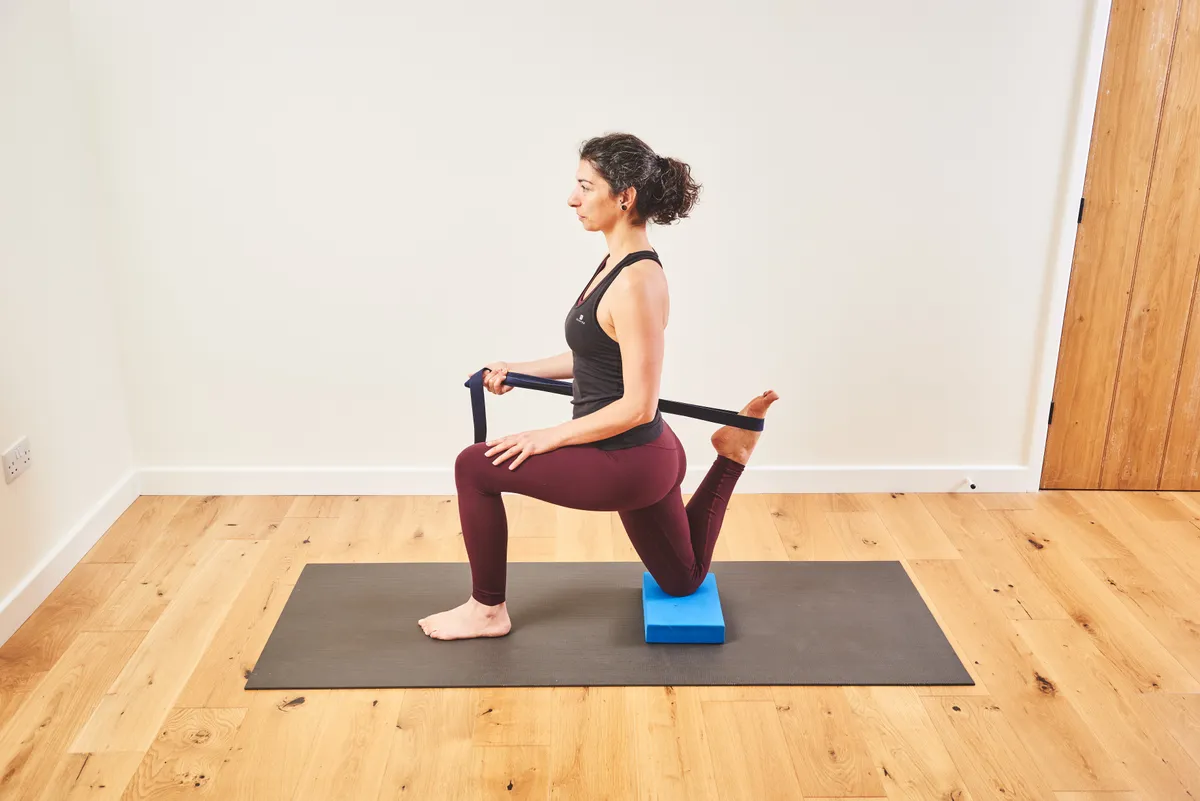
Prioritize Prehabbing
Incorporating prehabilitation (prehab) into your routine can be a game-changer for year-round performance. According to Paul Hough, a sport and exercise physiology lecturer, dedicating time to improving flexibility and correcting postural imbalances pays off significantly over time.
Indeed, many cyclists experience forward shoulder posture and tight hip flexors. While results won’t be immediate, consistent stretching and mobility work can lead to enhanced comfort in riding positions and quicker recovery. Simple exercises like resistance band pull-aparts can strengthen commonly weak muscles, such as the rhomboids and rotator cuffs.
Try this: Hold a resistance band in front of you with an underhand grip, and while keeping your shoulders relaxed and elbows at your sides, stretch your arms outward. This action will engage your shoulder blades, encouraging strength development in your upper back.
Start Fresh After the Holidays
Post-holiday, it’s essential not to let guilt over indulgences derail your progress. Instead, focus on strategically cutting calories for effective yet safe weight loss. Consultant Sarah Danaher emphasizes avoiding drastic dietary changes; instead, maintain a balanced diet rich in protein to sustain muscle mass while losing fat. Prioritize fresh veggies and complex carbohydrates around your training sessions, and consider steering clear of empty calories from snacks and alcohol. A dry January could also help clear your system and refocus your nutritional habits.

Set Realistic Goals
Avoid the trend of striving for peak fitness year-round. Hough advises that a periodized training approach, incorporating rest and recovery, is essential for long-term performance gains. Athletes typically cycle through building, competitive, and off-seasons to optimize their training effectiveness. Don’t underestimate the value of non-cycling activities, as resting adequately is just as important as working hard.
Nutrition Is Key
After a long day of cycling, it can be tempting to lean on quick-fix nutrition solutions. Danaher insists on building a strong dietary foundation. Quality nutrition should come primarily from whole foods rather than relying heavily on supplements. This holistic approach ensures you’re getting all the necessary macronutrients and micronutrients for optimal performance.

Tackle Seasonal Allergies
Cyclists often face seasonal allergies that can affect performance. Mild interventions like rinsing your nose with saline can help alleviate discomfort. Consulting with healthcare professionals for the best antihistamine options may also provide relief without hindering your cycling performance.
Add Variety to Your Routine
Engaging in an additional sport can energize your fitness regimen and counteract monotony. Whether it’s running or rowing, incorporating weight-bearing activities promotes skeletal strength. Paul suggests finding something enjoyable, as this makes it easier to adhere to a cross-training routine. For those who prefer high-intensity workouts, interval training offers an efficient alternative.
Keep Track of Your Progress
Avoid getting lost in the data maze when tracking your performance throughout the year. Conditions, fitness levels, and even weather will influence how your body responds. Hough recommends correlating heart rate data with perceived exertion ratings, making it easier to understand your limits and recovery status.

Maintain Training During Breaks
Travel or family commitments can disrupt your routine, but small adjustments can keep you on track. Coaches often recommend skipping as a flexible workout that enhances endurance and core strength. All you need is a skipping rope—easily portable and adaptable to various fitness levels.
Emphasize Strength Training
Incorporate resistance training into your routine for comprehensive benefits. Hough recommends focusing on exercises that enhance not only muscle strength but also endurance and performance parameters. Deadlifts are an excellent option for building core and hip strength, while kettlebell exercises can boost your overall functionality.
Monitor Your Nutrition Carefully
Keeping a food journal can help identify any caloric deficits or imbalances, enabling you to fine-tune your dietary plan. Coupled with attention to nutrient intake, this practice can be instrumental in achieving better performance and weight management.
Address Your Weaknesses
Pay attention to any imbalances in your strength or performance. Working on weaknesses, such as single-leg drills, can lead to significant improvements over time. Engage with a coach if necessary, ensuring you’re addressing issues effectively.
Holistic Approach to Training
In light of potential setbacks due to illness, maintaining proper nutrition is crucial. Strive to match your energy intake to your energy output, focusing on sufficient calorie consumption and balanced macronutrient distribution.
Additionally, life stressors can impact recovery. Hough suggests recognizing that stressors, both within and outside of training, accumulate and should be considered when planning your training cycles.
Conclusion
By adopting a well-rounded, year-long fitness approach that includes nutrition, cross-training, and effective recovery strategies, you can enhance your cycling performance significantly. Balance your training with life responsibilities, listen to your body, and adjust your regimen as needed to ensure that you not only achieve your fitness goals but also enjoy the journey along the way.