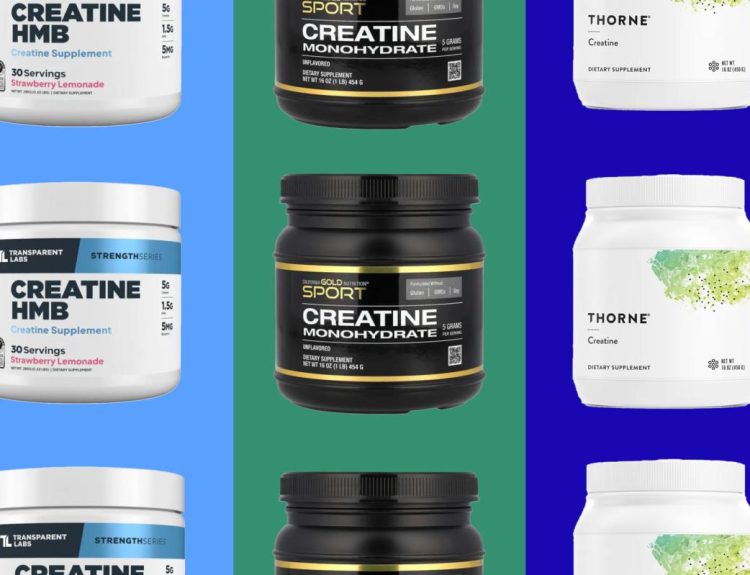
Updated January 26, 2026 05:22AM
It’s time to rethink your supplement routine. Before you grab that green powder or those hefty muscle-building tablets, consider this: despite what social media might suggest, cyclists don’t need a multitude of supplements.
Even during rigorous 30-hour training weeks seen in the WorldTour, the strategy for enhancing health and performance remains straightforward.
“There’s an overwhelming amount of buzz about various supplements, and it seems to escalate constantly. Yet, much of it is simply unfounded,” said Will Girling, team nutritionist for Red Bull-Bora-Hansgrohe, in an interview with Velo.
“We prioritize what’s proven, necessary, and cost-effective.”
So, what supplements truly stand out for endurance athletes? We consulted nutritionists, riders, and trainers to provide insight into a typical pro cyclist’s essential “supplement stack.”
The reality is that achieving peak endurance performance doesn’t have to be as complicated or costly as advertisers would lead you to believe.
The IOC’s ‘Big 5’ Supplements: What Works for Cyclists
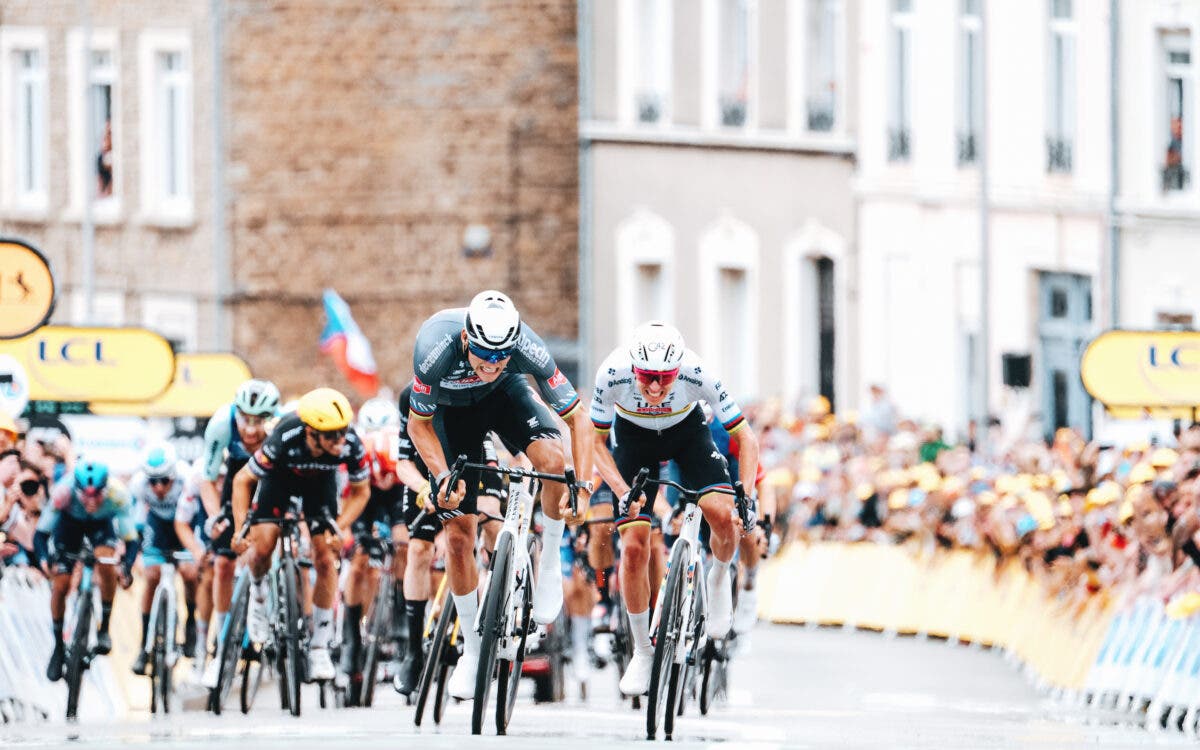
In 2018, the International Olympic Committee released a comprehensive “position statement” regarding supplements.
Within this extensive document was a concise list of five performance-enhancing supplements worth an athlete’s attention.
Yes, just five.
This “Big 5”—caffeine, creatine, sodium bicarbonate, nitrates, and beta-alanine—are all supported by research, categorized as safe, and approved by WADA.
Despite significant evolutions in the sport since Peter Sagan’s Roubaix victory, the consensus on ergogenic aids has remained largely unchanged.
As of 2026, the Big 5 still reign as the top sports supplements.
However, it’s important to note that only three of these are commonly utilized by pro cyclists.
IOC no.1 – Caffeine: A Cyclist Favorite
It’s no surprise that caffeine tops the list of performance boosters.
This supplement reduces the perception of exertion, enhances mental clarity, and extends stamina.
Plus, it’s affordable, easy to consume, and can be quite enjoyable.
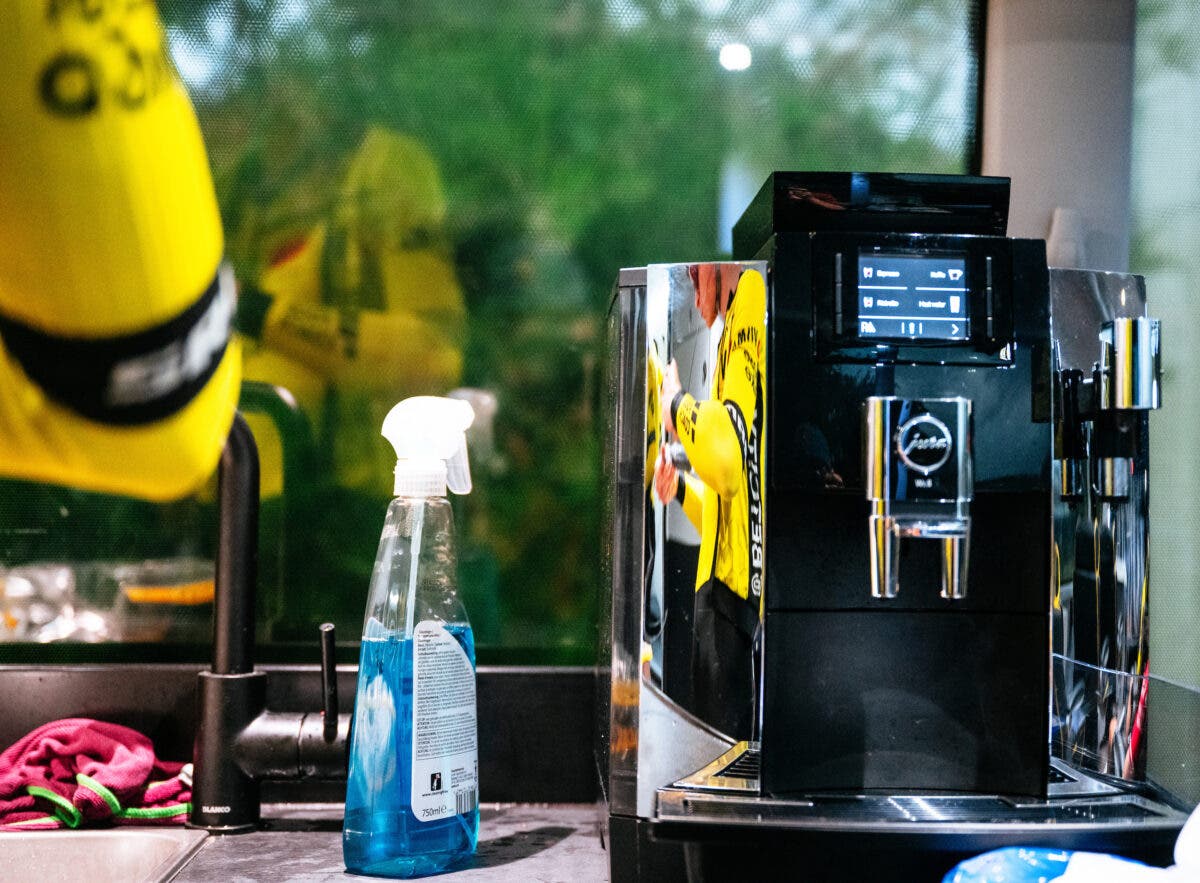
Given this, it’s no wonder espresso machines are a staple on team buses, and caffeine gels are in every cyclist’s jersey pocket. Even those who typically dislike coffee often rely on caffeine for a pre-race lift or a boost in the final hour.
But to maximize caffeine’s effectiveness, pay attention to your timing, dosage, and delivery method.
The prevailing recommendation suggests athletes should aim for 3-6 mg/kg of body weight for optimal impact.
Some cyclists find that caffeine chews and tablets offer a greater effect than gels or drinks.
While you might initially feel the effects from coffee or chews, it typically takes around an hour for caffeine to fully activate.
Additionally, environmental factors should be taken into account. Girling advises reducing caffeine consumption during hot conditions due to its effects on thermoregulation.
IOC no.2 – Creatine: A Breakthrough for Cyclists
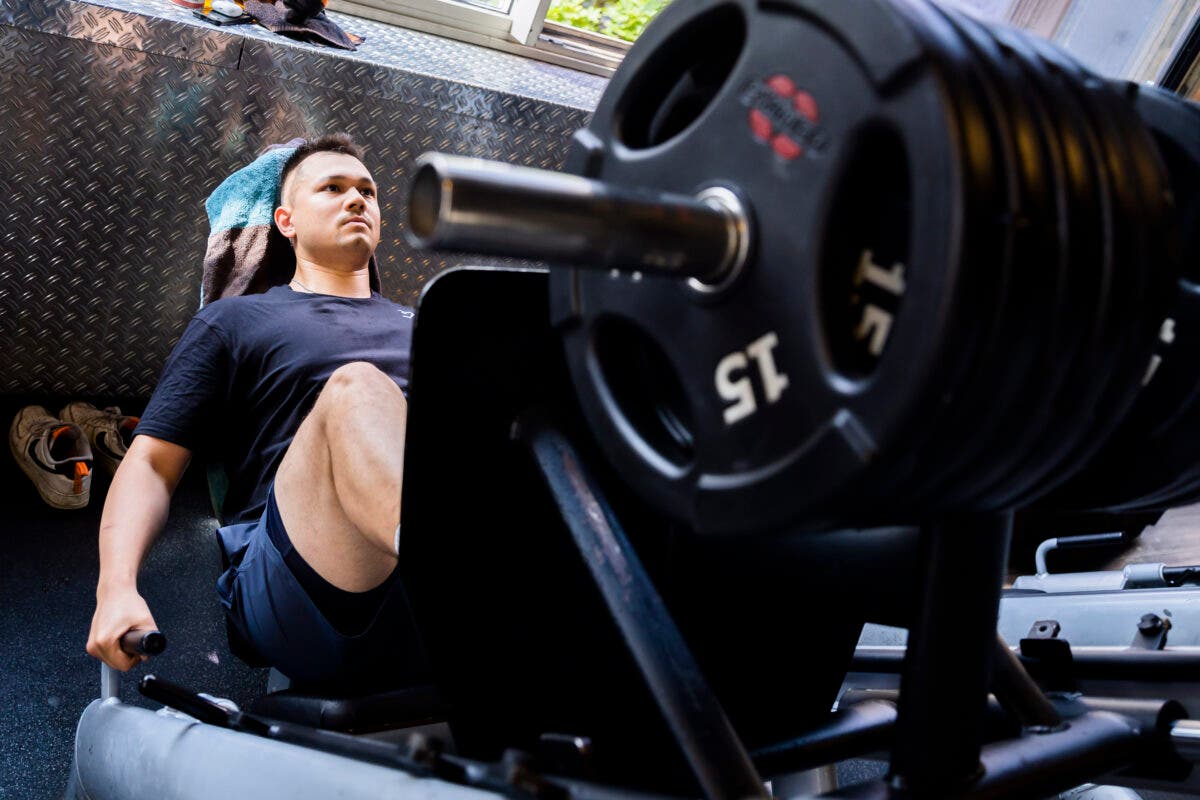
Creatine has made a notable entry into the cycling world, evolving from primarily being associated with weightlifting to becoming a favored performance-enhancer among 2025’s athletes. Its popularity spans from influencers to elite endurance competitors.
Why the hype?
Aside from enhancing short bursts of power, creatine also positively impacts memory, mood, and focus.
This “creatine revolution” extends into endurance sports. It’s increasingly common to find creatine monohydrate capsules or powders in athletes’ homes.
Creatine is beneficial for year-round strength training, aids in repeated road racing efforts, and may enhance recovery.
However, concerns about “creatine bloat” still linger, especially in weight-sensitive sports. Some athletes worry about potential water retention and unwanted weight gain.
In pro cycling, sprinters and classic riders regularly use creatine throughout the year. A few extra pounds are inconsequential when racing against elite competitors like Mathieu van der Poel.
Meanwhile, riders focused on optimal power-to-weight ratios might use creatine selectively during certain training phases, such as VO2 Max or strength blocks.
Personally, I have been taking the commonly recommended 5mg of creatine daily for about 18 months. It has notably improved my squat and deadlift performance, as well as my wattage during efforts without any negative effects on my power-to-weight ratio.
Nutritionist James Moran from Uno-X Mobility reported similar positive results among some of his leaner riders.
For certain athletes, the performance benefits of creatine can outweigh minor weight concerns.
IOC no.3 – Sodium Bicarbonate: A Time-Tested Ally
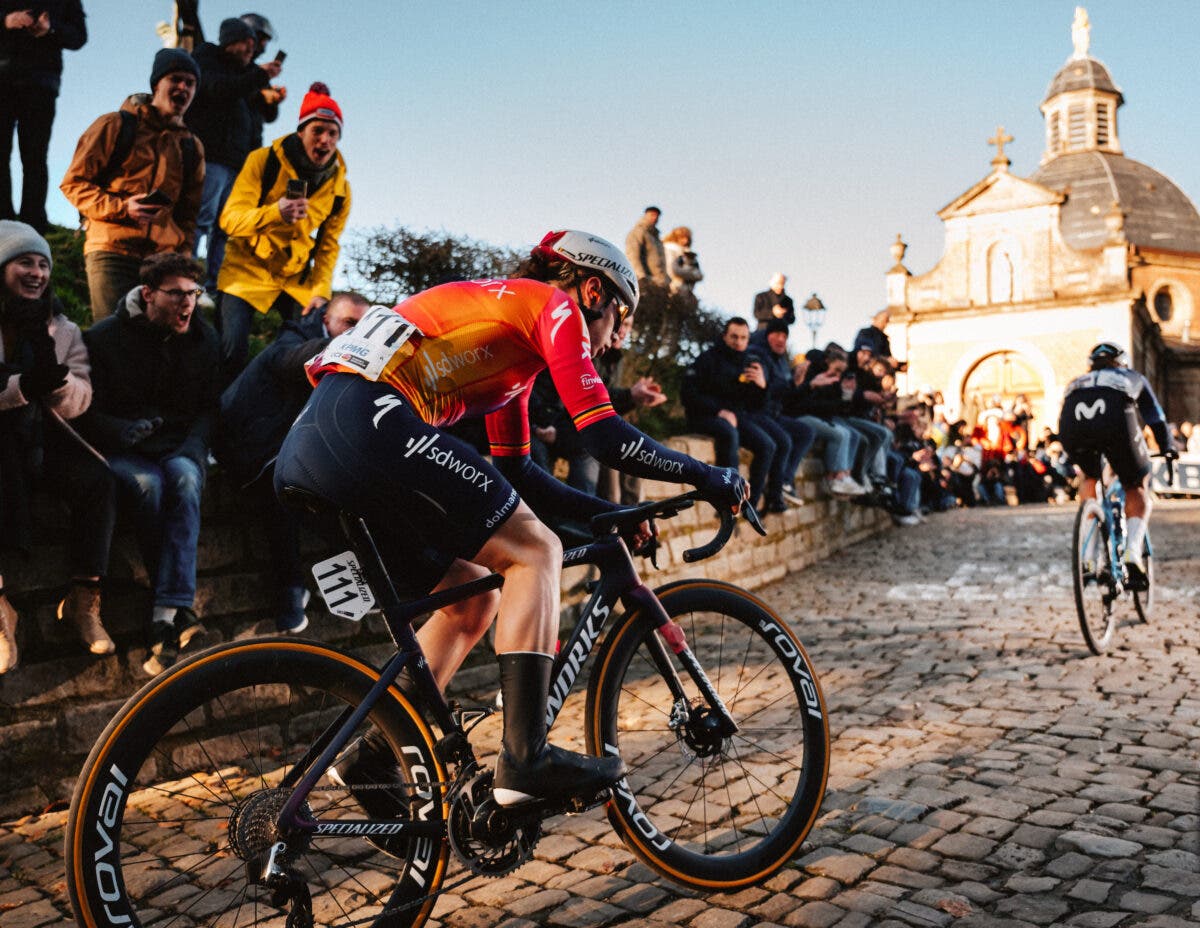
Sodium bicarb has been a staple among time trialists, sprinters, and short-distance athletes for years.
This humble baking soda can buffer hydrogen ions in the bloodstream, alleviating the burning sensation felt during high-intensity, short-duration activities.
Recently, both scientific and anecdotal evidence has emerged suggesting that sodium bicarbonate can also enhance long-duration endurance performance.
Pro cyclists find it useful for managing the discomfort of repeated surges during road racing, and endurance athletes like triathletes and ultra-marathoners believe it delays fatigue.
However, there are potential downsides.
Sodium bicarb can disrupt gastrointestinal comfort and cause some unpleasant symptoms, leading many to avoid traditional forms of it.
To address this, Maurten’s innovative Bicarb System revolutionized endurance nutrition with a unique delivery method, enhancing effectiveness while minimizing stomach issues.
Nonetheless, the price tag of this pioneering system is steep, prompting many professional teams to opt for enteric capsules as a more affordable alternative.
If you’re curious about sodium bicarbonate and feel adventurous, consider returning to basics with a jar of Arm & Hammer baking soda. A dosage of 0.2-0.4g per kilogram of body weight is recommended. Mix it with water around 90 minutes before your workout, ideally alongside a small carbohydrate intake. Good luck!
IOC no.4 – Beta-Alanine: Not Essential

Beta-alanine is not regarded as a “must-have” supplement in professional cycling, and it’s rarely suggested for amateur athletes.
While beta-alanine has been shown to buffer blood acidity during efforts lasting approximately 30 minutes, its impact tends to be limited and varies greatly among individuals. Many nutritionists reported that a significant number of their athletes do not respond to it.
As such, it might be wise to focus on more impactful options.
IOC no.5 – Nitrates: Not for All Professionals, but Maybe for You
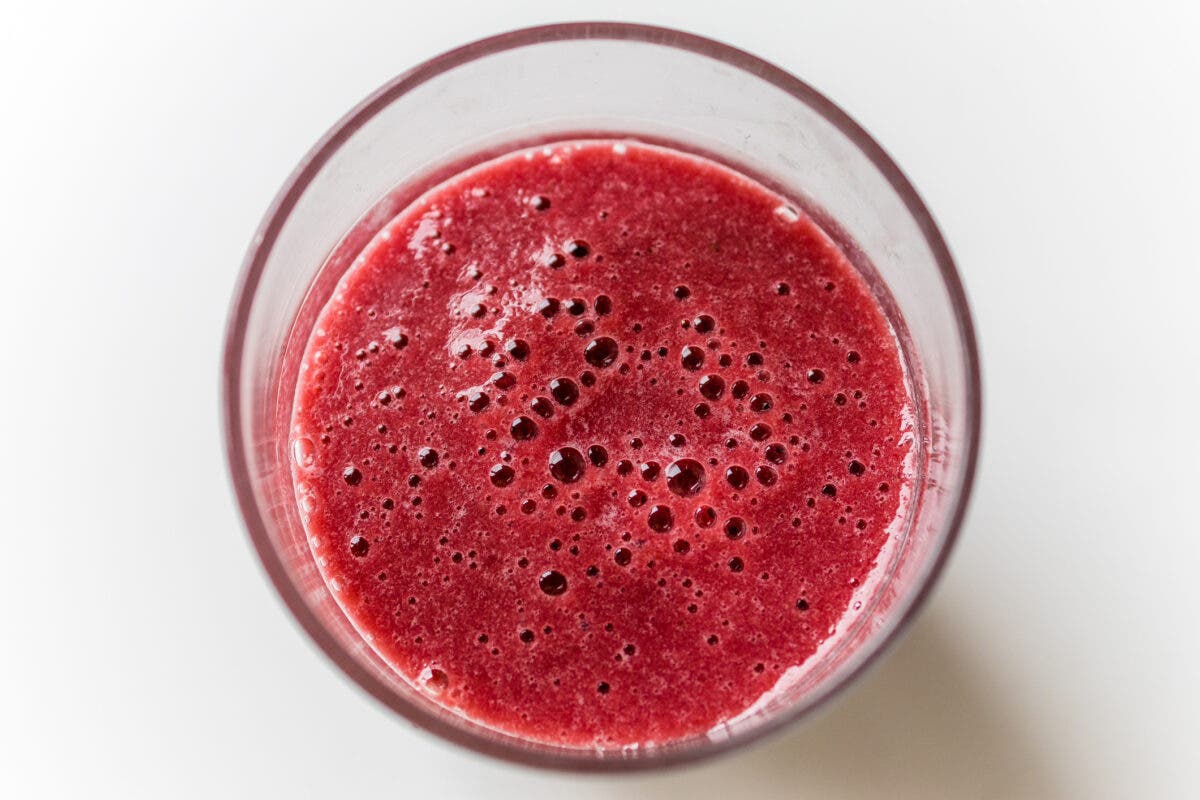
Do you remember the pre-Pogi days when beetroot shots packed with nitrates were the trend?
It appears that nitrates have since fallen out of favor among elite endurance athletes.
“There’s solid evidence regarding nitrates in short sprints, but the results vary when applied to athletes with high VO2 Max levels like ours,” commented Moran from Velo. “I’m skeptical about the efficacy of nitrates for top-tier athletes, which is why we don’t use them.”
However, nitrates aren’t entirely dismissed. Peter Leo from Jayco-AlUla confirmed their inclusion in his team’s regimen.
Moran’s stance on nitrates for amateurs is somewhat more favorable.
Research indicates that less-experienced athletes may experience reduced oxygen costs during exercise after nitrate loading, enhancing muscle contractility and repeated sprints.
Ultimately, whether the taste of those concentrated shots offsets the potential benefits is a question worth considering.
Where is the Protein Powder?
The IOC’s 2018 position statement is due for an update. When this happens, it’s likely that the original “Big 5” will expand to encompass more options.
Many agree that protein and collagen powders could easily be numbers six, seven, or eight on that list since they are effective, safe, and legal.
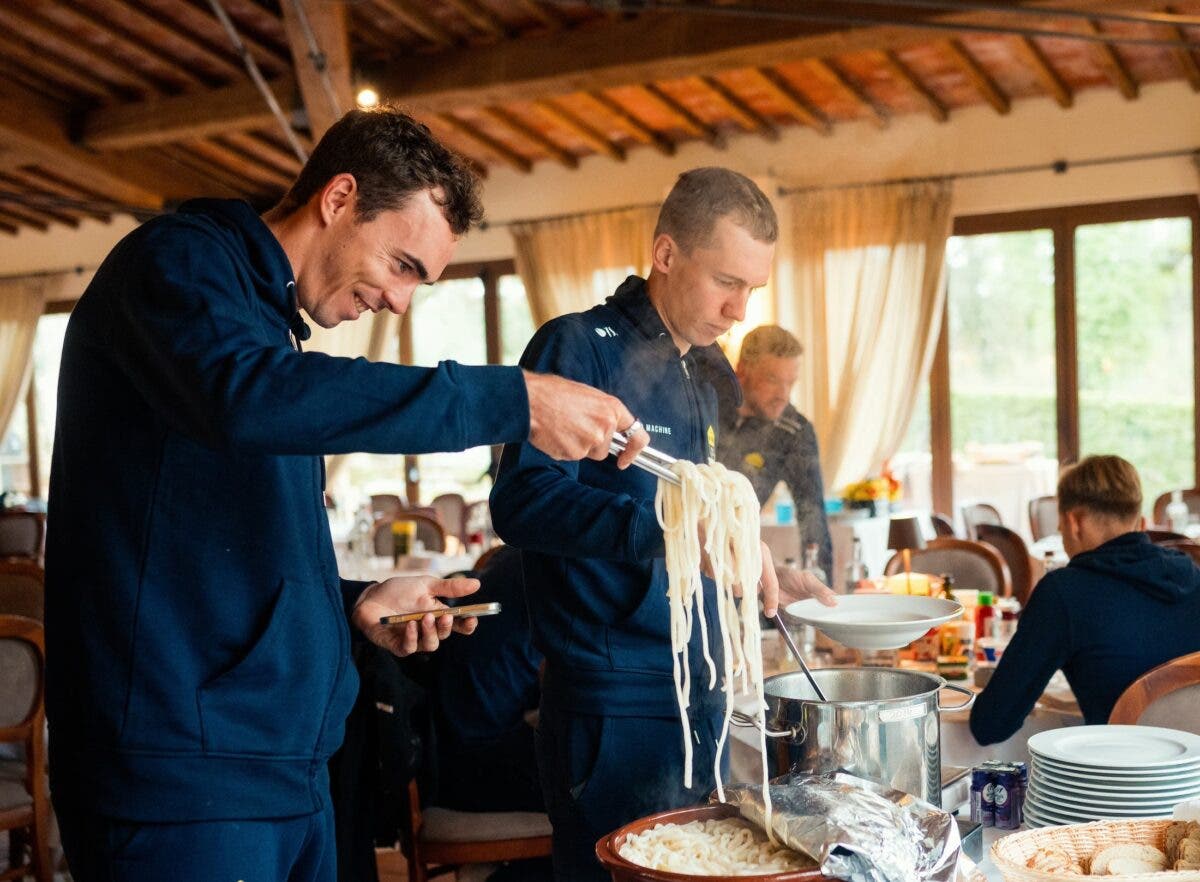
Despite this, don’t expect to see protein powder stocked in pro cycling kitchens. This is curious considering that endurance athletes require as much protein as strength trainers—ideally around 2 grams of protein per kilogram of body weight.
A professional athlete managing their training load effectively may consume enough calories—possibly over 4,000 calories per day—to meet their protein needs through whole foods alone. If that’s not the case, they are often advised to get their protein source from options such as eggs, chicken, or soy before considering a processed alternative.
However, there are circumstances when protein powder is warranted.
Carbohydrate-rich protein recovery blends are consumed following each workout. Additionally, whey, casein, or even vegan protein shakes might appear during demanding races.
“If a rider is especially exhausted or has lost their appetite during challenging training periods, protein powders can be useful. Sometimes they simply can’t eat enough,” noted Leo from Jayco-AlUla.
Amateur Cyclists Should Prefer Whole Foods Over Supplements
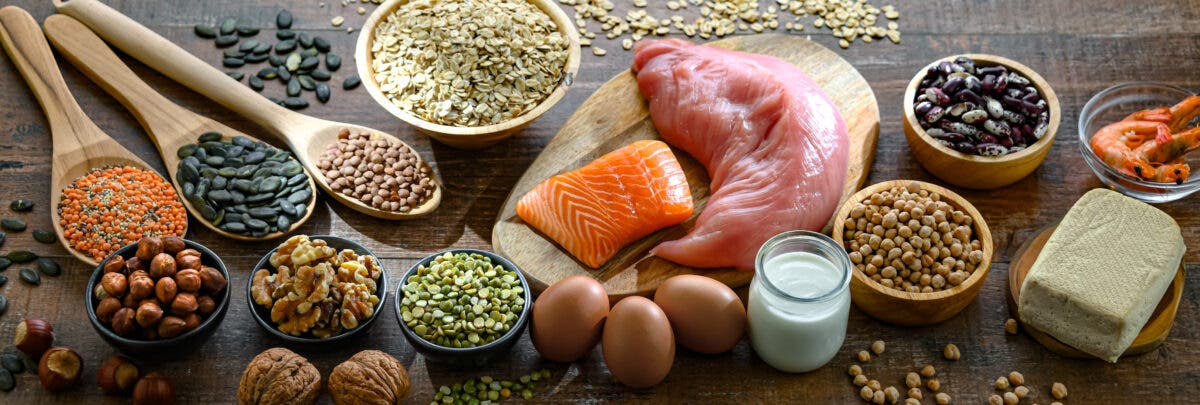
Nutritionists also advocate for the same food-first approach to protein for amateur cyclists.
“I tend to review an athlete’s diet to assess whether they are meeting their protein needs at breakfast and lunch, not just at dinner, before recommending a protein powder,” said Moran.
“Even when an athlete consumes adequate calories, I often see substantial gaps in their early protein intake,” he added.
This philosophy against powdered supplements may not apply universally, especially for vegetarian or vegan athletes, or those focused on specific weight goals or injury recovery.
Nonetheless, supplementation should be regarded as a last resort.
Emerging Supplements: The Next Generation for Cyclists
A plethora of performance supplements exist beyond the “Big 5,” garnering endorsement from many while being dismissed by others.
Skeptics often cite a lack of compelling studies, while proponents insist on their effectiveness.
Ketones: A Costly Trend
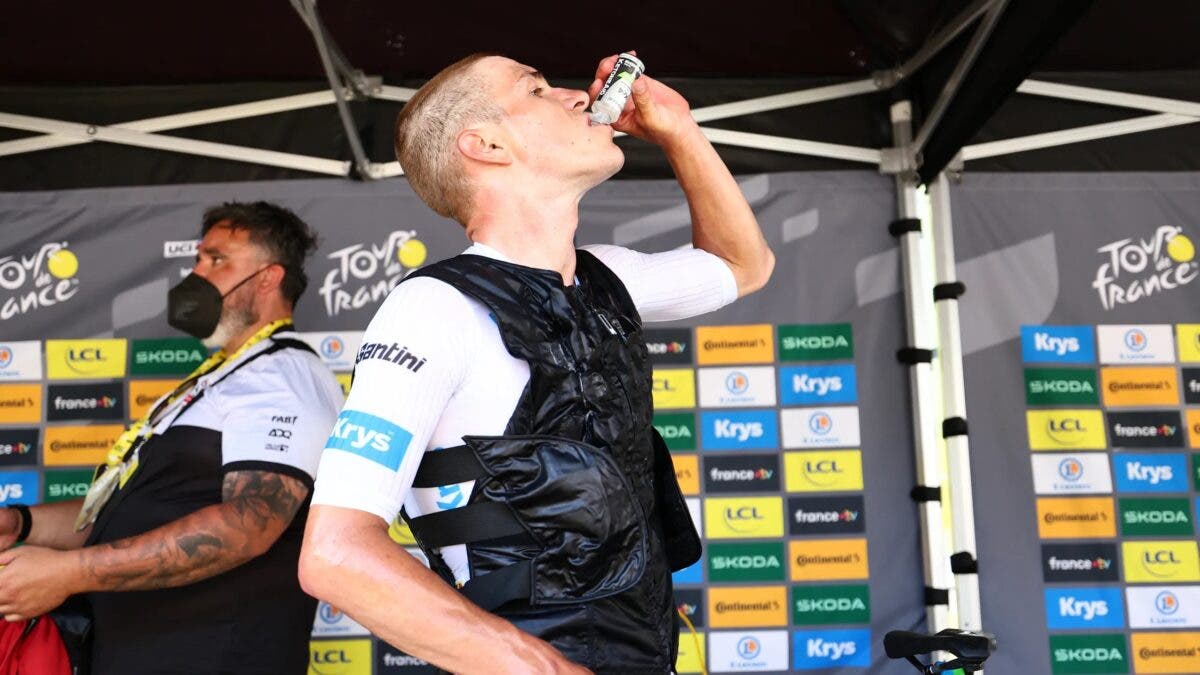
Ketones epitomize a controversial supplement choice, igniting intense discussions and polarized opinions.
Initially viewed as a risky and obscure endurance fuel, recent findings suggest that they can enhance cognitive function and increase recovery capabilities.
The growing popularity of ketones has made them widely available, appearing alongside common energy bars and gels in health stores.
However, just because they’re accessible doesn’t mean they’re universally embraced. The UCI advises against their use, and advocates for “clean cycling” criticize them.
They’re certainly not cheap; one nutritionist noted it could cost up to $10,000 for a team to supply ketones for three weeks during the Tour de France. Girling of the premium Red Bull team remarked that spending on ketones is “ridiculous.”
“In terms of budgeting, that money could be put to much better use,” he emphasized.
Moreover, some studies indicate ketones may not influence, or could even impair, endurance performance.
This skepticism leads many WorldTour teams to assess whether the benefits of ketones justify their exorbitant cost, with others only allowing their use on a limited basis to select riders.
Cherry Juice and Blackcurrant Tablets: Popular Choices
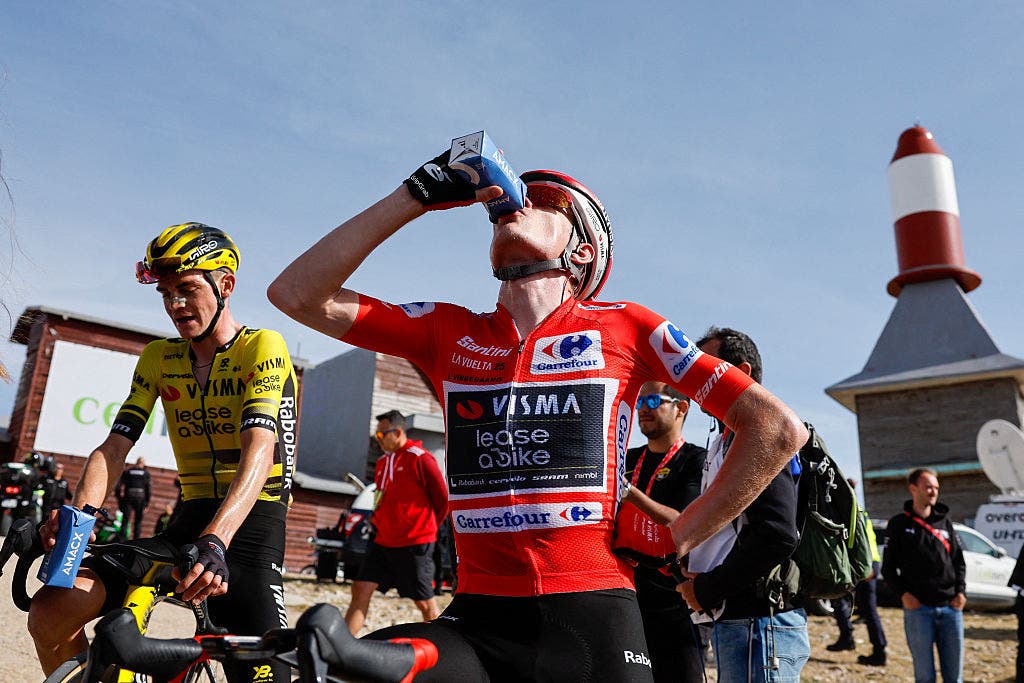
Unlike the division seen with ketones, there’s broad consensus regarding the benefits of polyphenols. It’s hard to argue against the merits of cherries.
The polyphenols found in these flavorful dark fruits can help mitigate muscle damage and enhance recovery following intense workouts.
Due to its appealing antioxidant effect, concentrated cherry juice has gained favor with sports nutrition brands and athletes alike, leading to its widespread use in 2025.
Many riders were were seen enjoying cherry juice at race finishes, leading to a near-meme phenomenon. Those who didn’t opt for cherry juice often turned to CurraNZ’s increasingly popular blackcurrant extract capsules instead.
But a word of caution for consumers: while polyphenols have proven effectiveness, their benefits are somewhat marginal. Prioritize recovery with chocolate milk and a good sleep before investing heavily in these red recovery concoctions.
Broccoli Shots: Worth Considering?

Nomio’s broccoli drink has become a trend, but compelling evidence supporting its efficacy remains scant. The running community is enthusiastic about this drink, which claims to reduce lactate levels by 12%.
While Nomio hasn’t permeated the cycling world as extensively as cherry juice, its endorsement by cyclists like Mads Pedersen suggests growing momentum, especially now that the brand aims to sponsor a WorldTour team. Doubtfully, that team would include the nutritionist who dismissed Nomio as “overmarketed nonsense.”
Supplements for Health and Immunity
Similar to performance supplements, the vitamins and minerals taken by the teams we surveyed were notably few in number.
Vitamin D, Omega-3, Magnesium, and Zinc were the most common recommendations. In the Women’s WorldTour, Iron is also a significant factor.
This minimalist approach isn’t representative of the entire peloton.
“Some teams are using an extensive array of supplements,” remarked one nutritionist.
There is no universal approach to supplementation; while the mentioned vitamins are frequently recommended for active individuals, particular health conditions or deficiencies may necessitate more personalized supplementation. For instance, riders at risk for anemia or osteopenia will have tailored recommendations.
Prebiotics and probiotics are deemed crucial for elite endurance, particularly prebiotics. The former promotes healthy gut flora, while the latter only provides short-term benefits. A robust microbiome helps guard against gastrointestinal and respiratory issues and facilitates carbohydrate absorption, which is vital in today’s fueling-heavy competitive landscape.
And as for one notorious supplement that most cyclists can skip?
Hint: it’s green, powdered, and described by one nutritionist as “a crock of highly marketed nonsense.”
Less is More in Professional Cyclist Supplementation
Every pro cycling team has a unique supplement strategy, and what works for elite athletes may not apply to the average cyclist.
However, the key takeaway is that supplementation can be straightforward.
“We adhere to a limited selection of nutritional supplements. The market is constantly introducing new options, and following every trend can be overwhelming,” said Moran. “If you continuously bring in new products, it becomes challenging to discern effectiveness.”
“We focus on what’s established and what yields results.”
So, channel your energy into maintaining good sleep, nutrition, a balanced lifestyle, and a solid training regimen before diving too deeply into the world of supplementation.