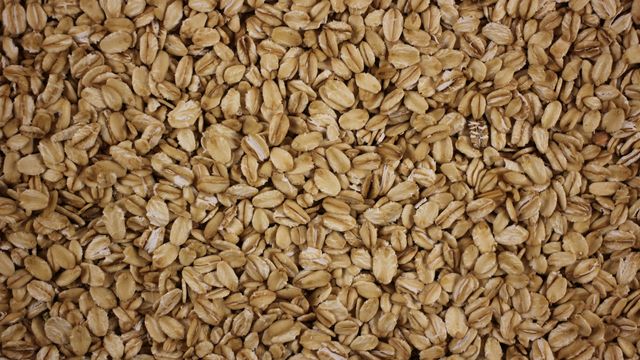
Recent research from the University of Bonn highlights the impressive benefits of a short-term oat-based diet on cholesterol levels. Published in the journal Nature Communications, this study involved participants with metabolic syndrome—characterized by excess body weight, high blood pressure, and elevated levels of blood glucose and lipids. Over the course of two days, these individuals consumed a calorie-restricted diet primarily consisting of oatmeal. The results showed significant improvements in their cholesterol levels compared to a control group, and this positive effect persisted even after six weeks. It appears that the oat-based diet alters the gut microbiome, with metabolic products from microbes playing a key role in these beneficial outcomes.
While the beneficial effects of oats on metabolism are not new—the renowned German physician Carl von Noorden successfully treated diabetic patients with oats in the early 1900s—this method has largely fallen by the wayside in contemporary discussions about diabetes treatment. Marie-Christine Simon, a junior professor at the University of Bonn’s Institute of Nutritional and Food Science, notes that modern medications have overshadowed such dietary approaches. “This method has been almost completely overlooked in recent decades,” she explains.
The participants in this study were not diabetic but were struggling with metabolic syndrome, which increases the risk of developing diabetes. Simon clarifies, “We wanted to investigate how a specific oat-based diet impacts patients who exhibit these risk factors.”
300 Grams of Oatmeal Per Day
For the duration of the trial, participants exclusively consumed oatmeal, which they prepared by boiling in water, three times daily. They were permitted to complement their meals with small amounts of fruit or vegetables. In total, 32 men and women completed this oat-based diet, consuming 300 grams of oatmeal each day and halving their usual caloric intake. A control group also followed a calorie-restricted diet, but it did not include oats.
Both groups benefited from dietary changes, but those on the oat-based diet exhibited more significant improvements. Simon highlights that participants saw a 10% reduction in harmful LDL cholesterol levels—a substantial decline, though not directly comparable to the effects of modern medications. Additionally, they lost an average of two kilograms and experienced slight decreases in blood pressure.
The reduction in LDL cholesterol is particularly important for health. High levels lead to the formation of plaques in blood vessels, narrowing them and increasing the risk of clots, heart attacks, and strokes.
Oats Promote the Growth of “Healthy” Intestinal Bacteria
What accounts for oatmeal’s beneficial effects? According to Linda Klümpen, lead author of the trial, “We found that oatmeal consumption significantly increased certain beneficial bacteria in the gut.” The gut microbiome has garnered attention in recent research, revealing its crucial role in food metabolism, with microbes releasing metabolites that aid gut cell function and overall health.
These microbes also circulate metabolic products throughout the body via the bloodstream, influencing various physiological effects. Klümpen notes, “We showed that intestinal bacteria produce phenolic compounds by breaking down oats. One, ferulic acid, has demonstrated a positive impact on cholesterol metabolism in animal studies, and other bacterial byproducts might have similar effects.” Additionally, certain microbes help eliminate histidine, an amino acid linked to insulin resistance—an essential factor in diabetes.
A Large Amount of Oats for Two Days Better Than a Small Amount for Six Weeks
Remarkably, the positive outcomes of the oat-based diet appeared to be sustained even six weeks later. Simon suggests, “A short-term oat-based diet at regular intervals could serve as an effective and tolerable approach to maintaining healthy cholesterol levels and preventing diabetes.” She explains that the diet’s impact was most significant at high concentrations combined with calorie reduction. In a subsequent six-week study with only 80 grams of oats daily, minimal effects were observed. “Future research should clarify whether a more intense, repeated oat-based diet every six weeks has long-term health benefits,” she adds.
Test Method
The study involved 68 participants. During the two-day oat-based diet, all 17 members of the oat group and 15 from the control group completed the study, although two in the control group withdrew for personal reasons. For the six-week duration, 17 participants in each group remained until the end. Researchers based the sample size on data from prior trials.
Both the intensive two-day and moderate six-week oat tests were randomized controlled trials (RCTs). Participants were randomly divided into groups, with one receiving oats and the other serving as a control. While true blinding is challenging—given that participants usually know what they’re consuming—the researchers ensured that those measuring blood and stool samples were unaware of group assignments, minimizing subjective biases.
Blood and stool samples were collected before dietary changes were made, alongside measurements of blood pressure, weight, height, waist size, and body fat. Follow-up assessments occurred after the two-day diet and subsequently at two, four, and six weeks. Similar analyses were conducted for the six-week trial involving 80 grams of oats daily.
The researchers evaluated blood samples for LDL cholesterol levels and measured dihydroferulic acid, a phenolic compound thought to derive from beneficial gut bacteria. By isolating 16S RNA from stool samples, they could identify specific bacteria, while also analyzing various metabolic products present.
Reference: Klümpen L, Mantri A, Philipps M, et al. Cholesterol-lowering effects of oats induced by microbially produced phenolic metabolites in metabolic syndrome: a randomized controlled trial. Nat Commun. 2026;17(1):598. doi: 10.1038/s41467-026-68303-9
This article was published based on materials from University of Bonn. Note: material may have been edited for length and content. For further information, please contact the cited source. Our press release publishing policy can be accessed here.