Exploring the Benefits of Lemon Balm Tea
Last fall, I was challenged by my editors to drink lemon water every day for a week. To my surprise, this simple habit has persisted, becoming my morning ritual. Recently, a doctor mentioned that it could even help reduce the risk of kidney stones.
So when my team proposed a week of drinking lemon balm tea, which has been trending on social media, I approached it with curiosity. What benefits might I uncover from this herbal drink?
Research revealed that lemon balm tea has gained popularity largely due to its reputed calming effects. As an avid tea drinker attempting to cut down on coffee, I had encountered lemon balm in various blends but never explored its solitary impact.
This experiment arrived at a perfect moment. With my fiancé and I finalizing plans for our summer wedding and the recent three-year mark since losing my mom to pancreatic cancer, I found the duality of joy and grief during this season made a comforting cup of tea all the more welcome.
In this article, I will share my experience drinking lemon balm tea daily for a week—highlighting one popular claim that didn’t hold true for me.
Health Benefits of Lemon Balm Tea
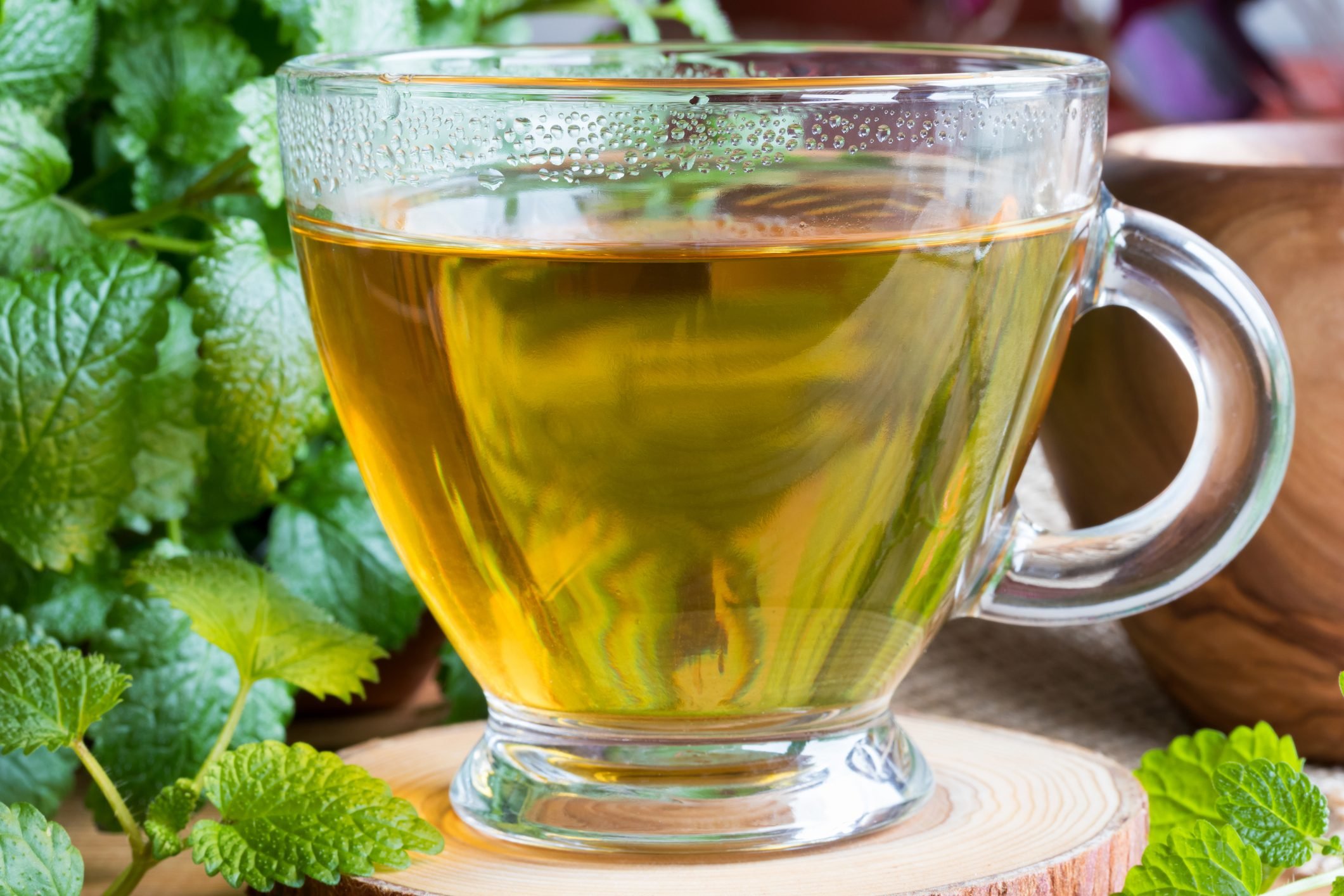
Lemon balm tea is crafted from the leaves of the lemon balm plant (Melissa officinalis), a fragrant herb in the mint family that has been used for centuries to encourage relaxation, improve sleep, and alleviate mild digestive issues. I discovered that lemon balm tea is naturally caffeine-free and has a light, zesty flavor, complemented by a subtle earthiness.
A 2024 review in the peer-reviewed journal Nutrients pointed out that existing studies indicate lemon balm “holds promise as a calming agent exhibiting both anxiolytic and anti-depressant properties and can enhance cognitive function and sleep quality.” In simpler terms, this means lemon balm tea could help ease both mental and physical stress.
My Routine with Lemon Balm Tea
While many enjoy their lemon balm tea in the evening, I opted to integrate it into my morning routine, swapping it with my usual lemon water to see how it would enhance my focus and clarity.
I began with Traditional Medicinals Lemon Balm, a widely accessible brand available in individually wrapped tea bags. If not found in local stores, ordering online is a hassle-free option.
I also explored loose-leaf lemon balm from a local market. With growing concerns over microplastics and PFAS in bagged teas, I appreciated that Traditional Medicinals uses plastic-free tea bags.
However, it’s important to be cautious. A 2023 study indicated that switching from tea bags to loose-leaf tea can minimize exposure to microplastics. Always consider how your favorite brands manage their packaging.
To enhance the flavor, I added a half-teaspoon of raw honey from a jar gifted by my fiancé’s colleague, who keeps bees. On occasions, I squeezed some fresh lemon juice for an extra citrus kick.
According to the Cleveland Clinic, consuming one or two cups of lemon balm tea daily is typically safe; however, it’s wise to follow package instructions and consult your physician before introducing new herbs.
Finding Relaxation with Tea
As anyone who has planned a wedding knows, the upcoming months are bound to be hectic. Between finalizing plans, managing emails with international vendors, and juggling my daily workload, I constantly found myself on the go.
Yet, upon incorporating lemon balm tea into my morning routine, I noticed a gentle shift. With a warm mug in hand while tackling my inbox, I experienced a newfound calmness, creating a buffer between me and the stress of the day.
Research shows that lemon balm interacts with GABA receptors in the brain, crucial for relaxation and mood regulation. Many who consume it report feeling more balanced, and I could relate to those sentiments.
“For those with mild anxiety or undergoing stress, lemon balm may offer relief,” says Dr. Manjaree Daw, an internal medicine physician with the Cleveland Clinic, in their Health Essentials blog.
Improved Sleep Quality
Midweek, I decided to have a cup of lemon balm tea in the evening as well. I wanted to test its effect on my sleep quality. With my overflowing to-do list, I often hesitate to go to bed early. This time, however, I made a conscious effort to pause, steep my tea, and signal my body that it was time to relax.
“For occasional insomnia tied to mild anxiety, lemon balm can be beneficial,” explains Dr. Daw. In my experience, it worked; I found myself feeling calmer before bed and falling asleep more easily without the racing thoughts that often accompany stress.
Limited Effects on Digestion
A common claim about lemon balm is its ability to support digestion, particularly in alleviating bloating or stomach discomfort. The herb contains compounds that may relax digestive tract muscles, potentially easing discomfort.
While some studies support this assertion, I personally did not experience any significant changes. It’s worth noting that while some individuals find relief with lemon balm, others might encounter the opposite effect.
Will I Continue Drinking Lemon Balm Tea?
I’ll definitely keep a box in my pantry for those especially long days when I need a bit of assistance in unwinding.
However, it’s essential to recognize that lemon balm tea isn’t a cure-all. For persistent anxiety, sleep disturbances, or digestive challenges, consulting a healthcare professional is important. Enjoying a cup of tea can certainly enhance your self-care routine in moderation, but it should not replace professional treatment.
Possible Side Effects of Lemon Balm Tea
While lemon balm tea is generally safe, there are a few considerations:
- It may induce drowsiness in some individuals.
- This tea might interact with sedatives or thyroid medications.
- It’s not advised for those with hypothyroidism without prior medical consultation.
- Allergic reactions are rare but possible.
- Combining lemon balm tea with alcohol or other calming herbs could reduce alertness.
If you are pregnant, breastfeeding, or managing a chronic condition, be sure to consult your healthcare provider before introducing new herbal remedies or altering your dietary practices.
For ongoing wellness insights, consider subscribing to The Healthy by Reader’s Digest newsletter and follow The Healthy on Facebook and Instagram. Keep reading: