De-Dollarization: Gold Over Debt
The global financial landscape is undergoing significant changes as countries reevaluate their dependence on the U.S. dollar. With increasing economic uncertainty, a growing number of nations are exploring alternatives, particularly gold, as a store of value.
The Shift Away from Dollar Dependency
In recent years, many countries have expressed concerns about the volatility and dominance of the U.S. dollar. Political tensions, economic sanctions, and inflation have all contributed to a desire for greater financial autonomy.
Gold: A Trusted Haven
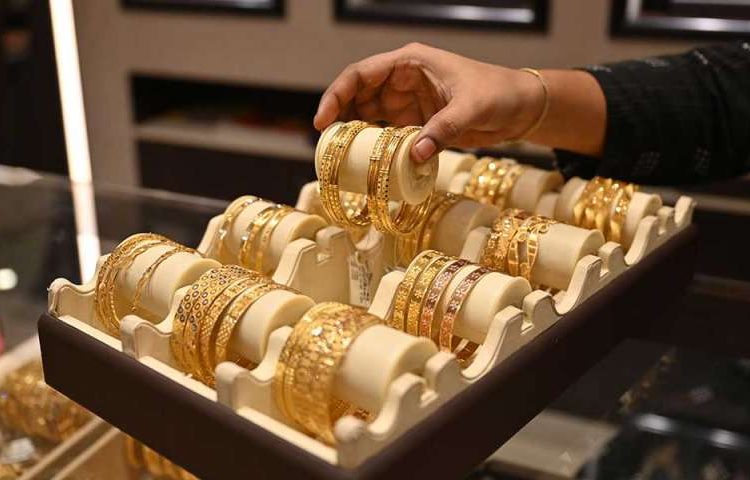
Gold has been regarded for centuries as a reliable form of wealth. Unlike currency tied to government policies, gold maintains intrinsic value and has historically served as a hedge against inflation and economic instability. As such, it is increasingly seen as a viable replacement for debt-based currencies.
Reasons for De-Dollarization
- Political Factors: Sanctions imposed by the U.S. have led some nations to seek alternatives to the dollar.
- Economic Stability: Relying on gold can mitigate risks associated with paper currencies.
- Global Trade Agreements: Countries are forming trade partnerships that utilize gold in transactions instead of the dollar.
Conclusion
The transition from dollar reliance to gold signifies a profound shift in the global economy. As nations explore more stable options, gold’s resurgence reflects a broader trend towards financial security and independence. This move may mark a pivotal moment, heralding the decline of traditional monetary systems dominated by paper currencies.