If you’ve been advised to monitor your blood pressure or cholesterol levels, you may associate this with complicated calorie counting, pricey supplements, or entirely eliminating your favorite meals. However, there is an effective eating plan that avoids these restrictions while still offering significant health advantages. This plan is known as the DASH (Dietary Approaches to Stop Hypertension). Initially created to lower blood pressure, it has since been revealed that it also enhances cholesterol profiles, bolsters heart health, and promotes overall well-being.
What Makes DASH Different?
In contrast to popular fad diets, DASH encourages a natural and flexible approach without any deprivation or rigid rules. It focuses on consuming more of what your body requires—like whole foods—and less of what it doesn’t, such as processed foods high in salt.
Studies indicate that adopting the DASH diet can lower systolic blood pressure (the upper number) by approximately five points, and diastolic blood pressure (the lower number) by around three points. Additionally, research has shown its effectiveness in reducing LDL (bad) cholesterol, thereby diminishing the risk of heart disease and strokes.
Perhaps the best aspect of DASH is that it requires no calorie counting, no portion weighing, and no costly supplements. Instead, it emphasizes real, everyday foods available at your local grocery store.
What is the DASH Eating Plan?
The DASH diet underscores the significance of consuming whole, nutrient-rich foods that are rich in potassium, calcium, magnesium, fiber, and protein—all essential for managing blood pressure and enhancing heart health. Key principles include:
- Minimize sodium intake
- Boost consumption of fruits, vegetables, whole grains, low-fat dairy, lean proteins, nuts, and seeds
- Limit red and processed meats, sugary beverages, sweets, and highly processed foods loaded with saturated and trans fats
For recommended daily servings based on a 2,000-calorie diet, check out What is the DASH diet?
Exactly How Good is It for You?
With extensive research backing it, the DASH diet is one of the most studied dietary plans globally. Over decades, numerous clinical trials have validated its effectiveness and associated benefits:
1. Heart Health
Substantial evidence links the DASH diet to a decreased risk of cardiovascular disease (CVD). Research suggests following the DASH diet correlates with a 20% reduction in CVD risk, primarily by improving blood pressure, lipid profiles, and weight.
2. Blood Pressure
The DASH diet consistently lowers blood pressure, achieving a significant drop correlated with reduced CVD incidents. This highlights that the blood pressure improvements associated with DASH lead to a noticeable decrease in heart attacks and strokes.
3. Cholesterol
While the effects on lipids are somewhat varied compared to blood pressure, studies indicate that DASH helps lower LDL cholesterol and triglycerides while preserving ‘good’ HDL cholesterol. This is likely due to the diet’s emphasis on high-fiber and nutrient-dense foods while minimizing saturated fats.
Individuals with high blood pressure, elevated LDL cholesterol, or those at risk of heart disease, metabolic syndrome, or Type 2 diabetes can particularly benefit from the DASH diet. It is also suitable for the general public and closely resembles the Mediterranean diet, making it adaptable to various cultural preferences and dietary needs.
How to Follow the DASH Diet
Here are some practical steps to adjust your eating habits in line with DASH principles:
1. Fill Half Your Plate with Fruits and Veggies
Aim for 4-5 servings of each daily by incorporating a fruit or vegetable into every meal and snack.
2. Switch to Wholegrains
Substitute white bread, rice, and pasta with whole-grain alternatives.
3. Choose Low-Fat Dairy
Incorporate 2-3 servings of low-fat dairy, such as skim milk, low-fat yogurt, or reduced-fat cheese, into your daily diet.
4. Prioritize Lean Proteins
Choose fish, poultry, beans, and nuts over fatty, processed, or red meats and consider meat-free meals.
5. Cut Back on Sodium
Aim for less than 2,300 mg of sodium per day (or under 1,500 mg for added benefits) by avoiding processed foods and opting for herbs, spices, and lemon instead of salt. Be sure to check nutrition labels for sodium content.
6. Limit Added Sugars and Sweets
Steer clear of sugary drinks and desserts, replacing them with sparkling water and fruit.
7. Include Nuts, Seeds, and Legumes Weekly
Strive for 4-5 servings per week, such as small handfuls of mixed nuts, nut butter, or beans in soups and salads.
A Week on the Diet – Your Eating Plan
Below is a simple and realistic 7-day DASH meal plan, designed around a daily intake of approximately 2,000 calories, adhering to the standard DASH guidelines.
Day 1:
Breakfast: Porridge with skimmed milk and berries
Lunch: Chicken or turkey and avocado sandwich on granary bread with salad
Dinner: Baked fish, lentils, and vegetables
Snacks: Carrot sticks with hummus
Day 2:
Breakfast: Black beans, avocado, and egg
Lunch: Grilled chicken salad
Dinner: Tomato courgetti
Snacks: Low-fat yogurt with berries
Day 3:
Breakfast: Greek yogurt with fruit, oats, and walnuts
Lunch: Quinoa with black beans, corn, and avocado
Dinner: Turkey burger with sweet potato wedges and salad
Snacks: A handful of unsalted nuts
Day 4:
Breakfast: Smoothie
Lunch: Carrot and lentil soup
Dinner: Stuffed peppers with quinoa and turkey
Snacks: Apple with peanut butter
Day 5:
Breakfast: Whole grain cereal with skimmed milk and chopped apple
Lunch: Grilled salmon, broccoli, and brown rice
Dinner: Chicken casserole
Snacks: Celery with low-fat cream cheese
Day 6:
Breakfast: Vegetable omelette with whole grain toast
Lunch: Whole grain wrap with minty pea hummus and beetroot
Dinner: Veggie chili
Snacks: Popcorn
Day 7:
Breakfast: Peanut butter on whole grain toast with apple slices
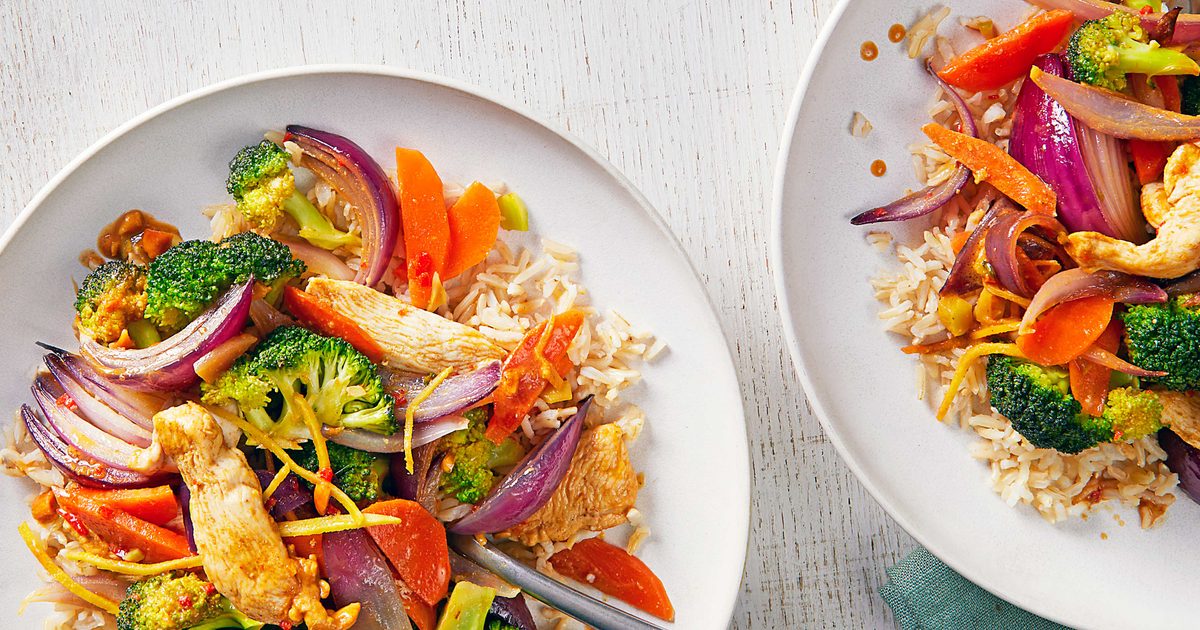
Lunch: Chicken stir-fry with mixed vegetables and brown rice
Dinner: Curried cod
Snacks: Banana and a handful of walnuts
In a sea of trending diets that promise quick fixes, DASH emerges as a sustainable and effective strategy for improving health. This approach emphasizes balance, variety, and nourishment. It is extensively researched and endorsed for heart health, while also offering enhanced energy and lowering the risk of chronic diseases. Even for those without high blood pressure, implementing DASH principles—like increasing consumption of fruits, vegetables, and whole grains—can foster overall wellness.
More Wellness Guides:
What is the best exercise for weight loss?
What is the cheapest healthy diet?
What is a balanced diet for men?
What is a balanced diet for women?
All health content on goodfood.com is provided for general information only and should not be considered a substitute for professional medical advice. If you have any concerns about your health, reach out to a local healthcare provider. For more information, please see our terms and conditions.