1
/
8

What is black seed oil?
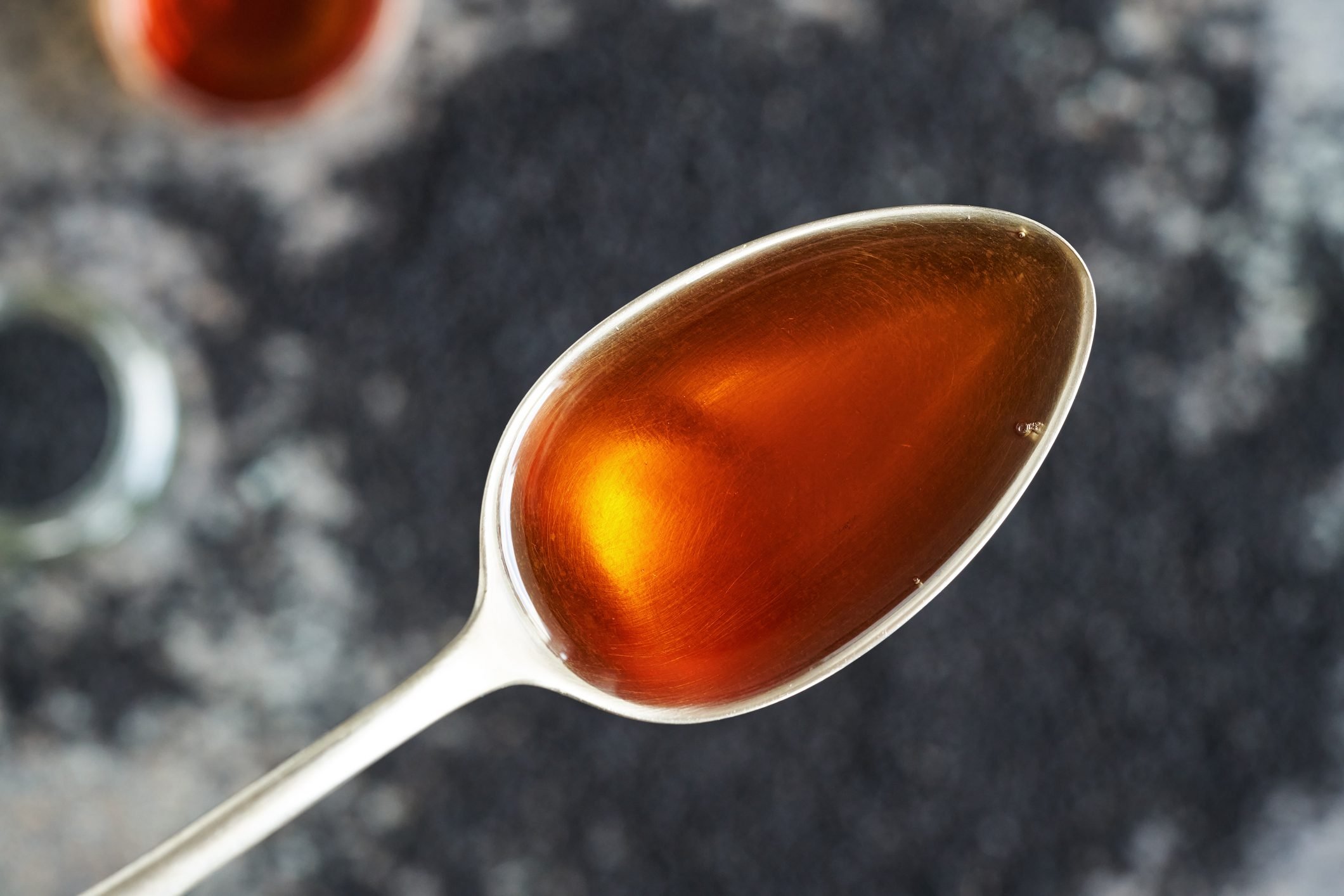
Black seed oil is derived from the seeds of the Nigella sativa plant, commonly known as black cumin or black caraway. As per Julia Zumpano, RD, LD, a registered dietitian at the Cleveland Clinic Center for Human Nutrition, this small flowering plant, native to Southwest Asia, has been recognized in traditional medicine for centuries. It has historically been utilized in ancient civilizations of the Middle East, Africa, and Asia to treat a variety of ailments including digestive issues, respiratory concerns, and skin problems.
2
/
8
How to use black seed oil
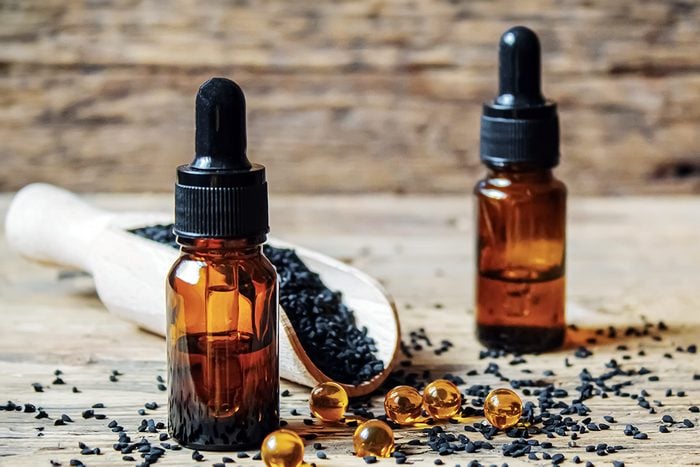
Black seed oil can be consumed or applied topically. Steele recommends starting with a small amount to monitor for any side effects before increasing the dosage. Some individuals prefer to take it by the spoonful, mix it into smoothies, or drizzle it over salads. It can also be directly applied to the skin to soothe irritations and assist in skin barrier repair.
A 2022 study published in Toxicology Reports evaluated a solution of black seed oil containing 5% thymoquinone, recognized for its numerous health benefits, including its antioxidant, anti-inflammatory, and anti-cancer properties. The study found that a daily intake of about 200 milligrams was generally well tolerated by healthy adults. Given that black seed oil may interact with certain medications or induce side effects, it’s important to consult with a healthcare provider before adding it to your diet or skincare regimen.
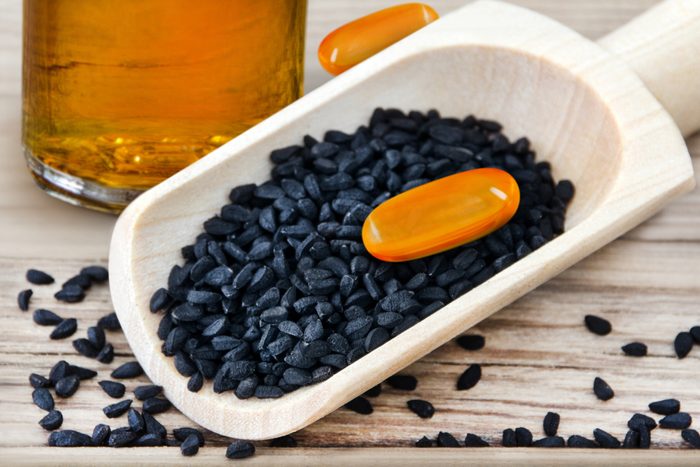
While black seed oil is available in both liquid and capsule forms, Zumpano advises opting for the oil version. “It’s generally safer due to its lower concentration and transparency regarding the ingredients,” she explains.
3
/
8

Top black seed oil benefits
According to Steele, black seed oil boasts an impressive array of potential health benefits. Here are five key advantages:
1. Supports a healthy digestive system
Black seed oil has been traditionally associated with gut health, and emerging studies support this connection. One of its active compounds, thymoquinone, is linked to anti-inflammatory and antioxidant properties—both crucial for maintaining a healthy digestive tract.
A 2021 review published in the Journal of Herbal Medicine suggested that black seed oil may reduce inflammation in the gut and protect the stomach lining from ulcers. Thus, it could alleviate discomfort, diminish bloating, and enhance overall digestive well-being.
4
/
8

2. Helps regulate blood sugar
Black seed oil may also assist in maintaining healthy blood sugar levels. A 2019 meta-analysis published in Phytotherapy Research revealed significant reductions in A1C levels with the supplementation of N. sativa. Steele points out that black seed oil demonstrates a greater impact compared to black seed powder.
However, it’s crucial to remember that black seed oil should not replace prescribed medications. If you have diabetes, continue your healthcare provider’s recommended treatments.
5
/
8

3. Promotes clearer, healthier skin
For individuals facing skin issues, black seed oil may provide a natural remedy. “Research indicates it has anti-inflammatory and antibacterial properties that can help alleviate acne,” notes Zumpano. A 2020 study published in Phytotherapy Research showed that a gel containing black seed oil reduced the severity of acne by 78%.
Moreover, its advantages extend beyond acne. Steele mentions that black seed oil can also be applied to soothe burns, eczema, and wounds, promoting skin repair while minimizing irritation.
6
/
8
4. Provides powerful antioxidant protection
Free radicals, which are unstable molecules, can cause cellular damage and are associated with chronic diseases and aging.
Steele emphasizes that a significant benefit of black seed oil is that it “helps neutralize free radicals and mitigates oxidative stress in the body due to its antioxidant properties.” A 2025 review published in the Journal of Medicinal Food supports this assertion.
Zumpano additionally notes its potential cancer-preventive properties, particularly in early research related to colorectal, pancreatic, and breast cancers, although further studies are required to validate these claims. The previous 2016 research found that high doses could lead to weight loss, pancreatic issues, gastrointestinal problems, and more.
7
/
8

5. Eases allergy symptoms
Black seed oil may also provide relief for individuals suffering from seasonal allergies or asthma. Zumpano references a small 2014 study published in Antiinflammatory & Anti-allergy Agents in Medicinal Chemistry, which discovered that participants with hay fever experienced a 92% decrease in symptoms after using black seed oil.
Additionally, it may enhance breathing in those with asthma due to its anti-inflammatory effects, making it effective when used in conjunction with standard asthma therapies.
8
/
8
Potential side effects and precautions
While the benefits of black seed oil are notable, it may not be suitable for everyone. “Black seed oil can interact with various medications, including those for blood thinning, diabetes management, and blood pressure control,” warns Zumpano. It should also be avoided in cases of kidney or liver disease and functional dyspepsia, which is a chronic digestive disorder characterized by upper abdominal discomfort, bloating, and nausea without identifiable causes.
Furthermore, pregnant women should steer clear of black seed oil as its safety during pregnancy has not been thoroughly studied.
Steele emphasizes that black seed oil should be viewed as a supplement to a healthy lifestyle, not a replacement for foundational health practices. “It can greatly enhance your health regimen, but must be combined with proper sleep, nutrition, physical activity, and stress management,” she advises. “Without these essential habits, no supplement can significantly improve your well-being.”
To stay informed on daily wellness tips, subscribe to The Healthy by Reader’s Digest newsletter, and follow The Healthy on Facebook and Instagram. Keep reading: